


Hey there! As a supplier of filter elements, I've seen my fair share of issues when it comes to these little guys. Troubleshooting a filter element can be a real pain in the neck, but with the right know - how, you can get to the bottom of the problem pretty quickly. So, let's dive in and talk about how to troubleshoot a filter element.
1. Understanding the Basics
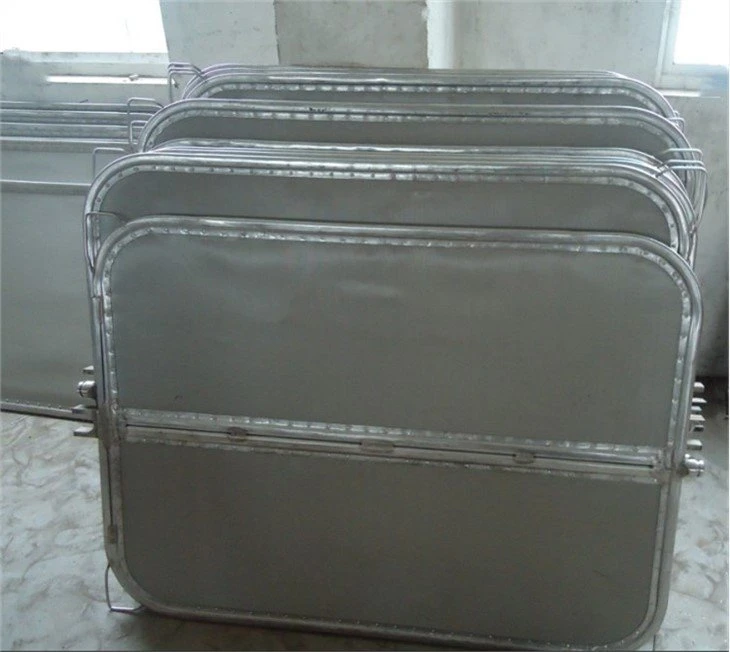
First things first, you gotta know what your filter element is supposed to do. Filter elements are used to remove contaminants from fluids or gases. They come in all shapes and sizes, and are made from different materials like Stainless Steel Filter Plate, Stainless Steel Filter Mesh, and Ss Wire Mesh Filter Leaf. Each type of filter element has its own unique function and design.
2. Visual Inspection
The easiest way to start troubleshooting is by giving your filter element a good visual once - over. Look for any obvious signs of damage, like cracks, holes, or tears. A damaged filter element won't be able to do its job properly, and it could even let contaminants through.
If you notice any physical damage, it's usually a no - brainer. You'll need to replace the filter element right away. Sometimes, the damage might be due to improper installation or excessive pressure. Make sure you're installing the filter element correctly according to the manufacturer's instructions.
3. Flow Rate Issues
One of the most common problems with filter elements is a change in the flow rate. If you notice that the flow of fluid or gas through the filter is slower than usual, there could be a few things going on.
Clogging
The most likely culprit is clogging. Over time, contaminants build up on the filter element, blocking the pores and reducing the flow. You can try cleaning the filter element, but this might not always work, especially if it's severely clogged.
If the filter is made from a material that can be cleaned, like a Stainless Steel Filter Mesh, you can use a mild detergent and water to gently wash it. Then, rinse it thoroughly and let it dry completely before reinstalling.
Incorrect Sizing
Another reason for flow rate issues could be that the filter element is the wrong size. If it's too small for the application, it won't be able to handle the volume of fluid or gas, leading to a restricted flow. On the other hand, if it's too large, it might not fit properly, causing leaks or inefficiencies.
Make sure you're using the right size filter element for your specific needs. Check the specifications of your equipment and match them with the filter element's size and capacity.
4. Pressure Problems
Pressure is another important factor to consider when troubleshooting a filter element. An abnormal pressure drop across the filter could indicate a problem.
High Pressure Drop
A high pressure drop means that there's more resistance in the filter than there should be. This is often caused by clogging, as we mentioned earlier. But it could also be due to a blockage in the piping or a malfunctioning valve.

To check for a blockage in the piping, you can isolate the filter and check the pressure on both sides of it. If the pressure drop is still high, then it's likely the filter element itself. If the pressure is normal on one side but very low on the other, there could be a blockage in the piping downstream of the filter.
Low Pressure Drop
A low pressure drop might seem like a good thing, but it could actually mean that the filter element isn't doing its job. It could be that the filter is bypassing the contaminants, or there's a leak in the system.
Inspect the filter housing and connections for any signs of leaks. If you find a leak, tighten the connections or replace any damaged gaskets. If there's no leak, the filter element might be defective and need to be replaced.
5. Contaminant Breakthrough
If you notice that there are still contaminants in the fluid or gas after it has passed through the filter, this is a big red flag. This is known as contaminant breakthrough.
Filter Integrity
The most common reason for contaminant breakthrough is a compromised filter integrity. As we mentioned earlier, cracks, holes, or tears in the filter element can allow contaminants to pass through. But it could also be due to a manufacturing defect.
If you suspect a manufacturing defect, contact the supplier. As a filter element supplier, we stand behind our products and will usually offer a replacement or a refund if there's a defect.
Incorrect Filter Rating
Another possibility is that the filter element has the wrong rating for the contaminants you're trying to remove. Different filter elements have different pore sizes and are designed to capture different types of contaminants. Make sure you're using a filter element with the appropriate rating for your application.
6. Filter Element Compatibility
Filter elements need to be compatible with the fluid or gas they're filtering. If the filter element is made from a material that reacts with the fluid or gas, it can cause problems.
Chemical Compatibility
Some fluids or gases can be corrosive to certain materials. For example, if you're filtering a highly acidic fluid, you need to use a filter element made from a corrosion - resistant material like stainless steel.
Check the chemical compatibility chart provided by the filter element manufacturer. If you're not sure, you can always consult with us as your supplier. We have the expertise to help you choose the right filter element for your specific chemical environment.
Temperature Compatibility
Temperature is also an important factor. Some filter elements can't withstand high temperatures. If the fluid or gas is too hot, it can damage the filter element and reduce its effectiveness.
Make sure the filter element you're using is rated for the temperature of your application. If you're dealing with high - temperature fluids or gases, look for a filter element that's designed to handle those conditions.
7. Maintenance and Replacement Schedule
Regular maintenance and replacement of filter elements are crucial for their proper functioning. Even if you don't notice any problems, it's a good idea to follow a maintenance and replacement schedule.
Manufacturer's Recommendations
The manufacturer usually provides guidelines on how often to replace the filter element. This is based on factors like the type of filter, the application, and the level of contaminants.
Stick to these recommendations as closely as possible. Ignoring the replacement schedule can lead to more serious problems down the line, like equipment failure or poor product quality.
Monitoring and Record - Keeping
Keep track of the performance of your filter elements. Monitor the flow rate, pressure, and the quality of the filtered fluid or gas. Keep a record of when you installed the filter element and when you last replaced it.
This will help you identify any trends or patterns in the filter element's performance. If you notice that the filter element is wearing out faster than usual, you can investigate the cause and take steps to prevent it in the future.
Conclusion
Troubleshooting a filter element can be a bit of a challenge, but by following these steps, you can quickly identify and fix most problems. Remember to do a visual inspection, check the flow rate and pressure, look for contaminant breakthrough, ensure compatibility, and follow a maintenance and replacement schedule.
If you're still having trouble or if you're not sure which filter element is right for your application, don't hesitate to reach out to us. As a trusted filter element supplier, we have the knowledge and experience to help you find the best solution for your needs. Whether you need a Stainless Steel Filter Plate, Stainless Steel Filter Mesh, or Ss Wire Mesh Filter Leaf, we've got you covered. Contact us today to start a procurement discussion and let's work together to keep your systems running smoothly.
References
- Industry standards for filter element performance
- Manufacturer's documentation for filter elements
- Technical manuals for filtration systems


