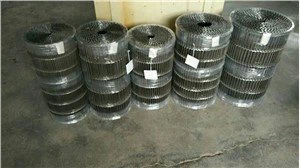

As a supplier of mesh belts, I understand the importance of proper storage when these belts are not in use. Mesh belts are widely used in various industries, including food processing, packaging, and manufacturing. Ensuring their proper storage can extend their lifespan, maintain their performance, and save costs for our customers. In this blog, I will share some key points on how to store a mesh belt effectively.
1. Clean the Mesh Belt Thoroughly
Before storing the mesh belt, it is crucial to clean it thoroughly. This step helps remove dirt, debris, and any residues that may have accumulated during use. Depending on the type of material the mesh belt is made of and the nature of the substances it has come into contact with, different cleaning methods can be employed.
For mesh belts used in the food industry, such as the Food Mesh Belt, a food - grade cleaning solution should be used. These belts are often exposed to food particles, oils, and other organic substances. A mild detergent can be mixed with warm water, and the belt can be gently scrubbed using a soft brush. After scrubbing, rinse the belt thoroughly with clean water to ensure that no cleaning agents remain.
For mesh belts used in industrial settings, where they may be exposed to heavy grease, oil, or metal shavings, a more powerful degreaser may be required. However, it is important to choose a degreaser that is compatible with the material of the mesh belt to avoid any damage. After degreasing, the belt should also be rinsed thoroughly.
2. Dry the Mesh Belt Completely
Once the mesh belt is cleaned, it must be dried completely. Moisture can lead to corrosion, especially for metal mesh belts. If the belt is not dried properly, rust may form, which can weaken the structure of the belt and reduce its service life.
There are several ways to dry the mesh belt. One common method is air - drying. Hang the belt in a well - ventilated area where air can circulate freely around it. This may take some time, especially for larger belts or in humid environments. If time is a constraint, a low - heat dryer can be used. However, care must be taken not to overheat the belt, as this can cause damage to the material.
3. Choose the Right Storage Environment
The storage environment plays a significant role in the preservation of the mesh belt. Here are some factors to consider:
Temperature
The storage temperature should be stable. Extreme temperatures can cause the material of the mesh belt to expand or contract, which may lead to deformation. For most mesh belts, a temperature range between 10°C and 30°C is ideal. Avoid storing the belt in areas that are subject to rapid temperature changes, such as near heating or cooling vents.


Humidity
Low humidity is preferred for storing mesh belts. High humidity can promote the growth of mold and corrosion. Aim for a relative humidity of less than 60%. If the storage area has high humidity, dehumidifiers can be used to maintain the appropriate humidity level.
Protection from Dust and Debris
The storage area should be clean and free from dust and debris. Dust can accumulate on the mesh belt and cause abrasion over time. Consider storing the belt in a sealed container or a covered rack to protect it from dust.
4. Store the Mesh Belt Properly
The way the mesh belt is stored also affects its condition. Here are some storage methods:
Coiling
For flexible mesh belts, coiling is a common storage method. Coil the belt evenly to avoid kinks or twists. Make sure the coils are not too tight, as this can cause stress on the belt material. You can use a wooden or plastic spool to coil the belt around. This method is suitable for belts that are not too long.
Folding
If the belt is too large to coil, folding can be an option. However, when folding the belt, avoid sharp creases. Use a smooth surface to fold the belt and make sure the folds are evenly spaced.
5. Inspect the Mesh Belt Regularly
Even when the mesh belt is in storage, it is important to inspect it regularly. Check for any signs of damage, such as rust, cracks, or wear. Early detection of problems can prevent further damage and allow for timely repairs.
If any issues are found during the inspection, take appropriate measures. For minor damage, simple repairs can be made, such as replacing a few broken wires. For more severe damage, it may be necessary to replace the entire belt.
6. Consider the Type of Mesh Belt
Different types of mesh belts require different storage considerations. For example, Net Conveyor Belt and Wiremation Conveyor Belting may have different material properties.
Net conveyor belts are often made of synthetic materials. These belts are more resistant to chemicals and moisture compared to metal belts. However, they may be more prone to damage from sharp objects. When storing net conveyor belts, make sure they are not in contact with any sharp edges.
Wiremation conveyor belting is typically made of metal wires. As mentioned earlier, these belts are more susceptible to corrosion. Therefore, extra care should be taken to ensure they are dry and stored in a low - humidity environment.
In conclusion, proper storage of mesh belts is essential for maintaining their quality and performance. By following the steps outlined above, you can ensure that your mesh belts remain in good condition when not in use. If you have any questions about mesh belt storage or are interested in purchasing high - quality mesh belts, please feel free to contact us for more information and to discuss your specific requirements.
References
- Industry standards and guidelines for mesh belt storage.
- Manufacturer's instructions for different types of mesh belts.