


Hey there! As a supplier of Balanced Belts, I often get asked about what the torsional - flexibility of a balanced belt is. So, let's dive right into it and break it down in simple terms.
First off, what's a balanced belt? Well, it's a type of conveyor belt that's designed to offer a good balance between different performance aspects. It's used in a variety of industries, from food processing to automotive manufacturing. And torsional - flexibility is one of those super important features that can make or break a belt's performance in certain applications.
Torsional - flexibility, in a nutshell, refers to a belt's ability to twist or bend along its length without getting damaged. Think of it like a gymnast doing a twisty routine. The more flexible the gymnast, the better they can perform those complex moves. Similarly, a belt with high torsional - flexibility can handle twists and turns in a conveyor system smoothly.
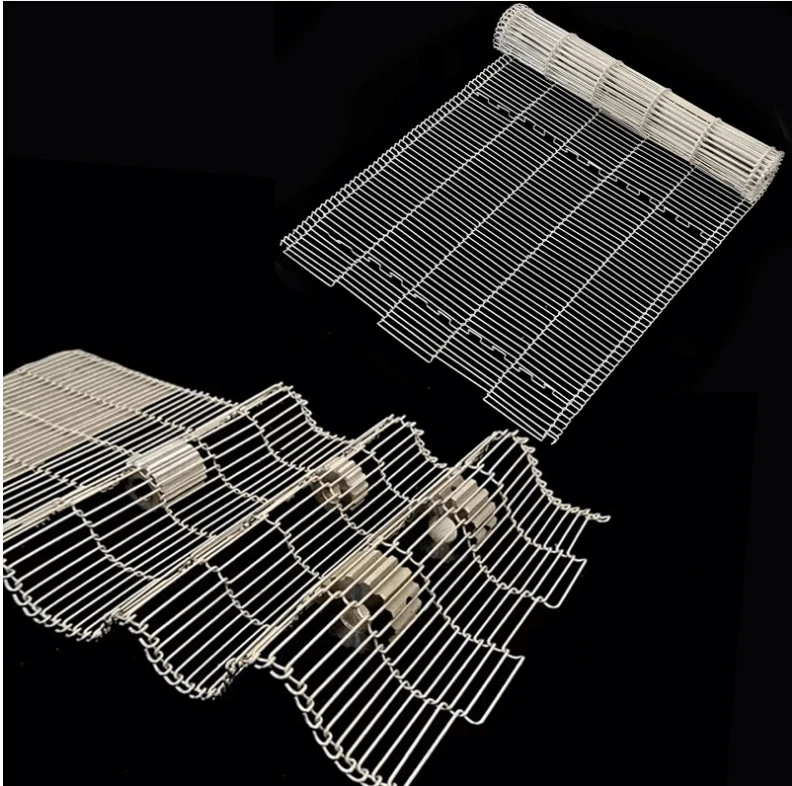

Why is this so crucial? In many conveyor setups, the belt has to go around curves, through pulleys at different angles, or even over uneven surfaces. If the belt isn't torsionally flexible, it can start to wear out quickly. It might develop cracks, or worse, it could even break. This not only leads to costly downtime but also increases the risk of product damage.
Let's take a look at some real - world scenarios. In a food processing plant, the conveyor belts are often used to move products through different stages of production. The belts need to be able to twist and turn as they navigate around various pieces of equipment. For example, they might have to go around a corner to reach a packaging machine. A balanced belt with good torsional - flexibility can handle these maneuvers with ease, ensuring that the food products are transported safely and efficiently.
In the automotive industry, conveyor belts are used to move car parts along the assembly line. These parts can be heavy and bulky, and the belts need to be able to support the weight while also being flexible enough to move around curves. If the belt lacks torsional - flexibility, it can cause the parts to shift or fall off, leading to production delays and quality issues.
Now, how do we measure the torsional - flexibility of a balanced belt? There are a few ways. One common method is to use a torsion test. In this test, the belt is clamped at both ends, and then a twisting force is applied. The amount of twist that the belt can withstand before it starts to show signs of damage is measured. The higher the value, the more torsionally flexible the belt is.
Another factor that affects torsional - flexibility is the belt's construction. Balanced belts are typically made from a combination of materials, such as rubber, fabric, and sometimes metal. The way these materials are layered and bonded together can have a big impact on the belt's flexibility. For example, belts with a more flexible inner layer are generally more torsionally flexible.
As a supplier of Balanced Belts, we understand the importance of torsional - flexibility. That's why we use high - quality materials and advanced manufacturing techniques to ensure that our belts have excellent torsional - flexibility. Our belts are designed to meet the demanding requirements of various industries, whether it's the food industry, automotive industry, or any other sector that relies on conveyor systems.
We also offer a wide range of belt types to suit different applications. For example, our Chain Plate Mesh Belt is a great option for heavy - duty applications. It has a strong and durable construction, while still maintaining good torsional - flexibility. The chain plates provide additional support, making it suitable for moving large and heavy items.
Our Oven Conveyor Belts are specifically designed for use in high - temperature environments. They need to be able to withstand the heat while also being flexible enough to move around the oven's conveyor system. We use special heat - resistant materials to ensure that these belts can perform well under extreme conditions.
And then there's our Wiremation Conveyor Belting. This type of belt is known for its high level of flexibility and strength. It's made from a wire mesh construction, which allows it to twist and turn easily. It's often used in applications where the belt needs to be able to move over small pulleys or around tight curves.
When you're choosing a balanced belt for your application, it's important to consider the torsional - flexibility along with other factors such as load capacity, speed, and temperature resistance. You want to make sure that the belt you choose is the right fit for your specific needs.
At our company, we have a team of experts who can help you select the best balanced belt for your application. We can provide you with detailed information about the torsional - flexibility of our belts, as well as other performance characteristics. We also offer customization options, so we can tailor the belt to your exact requirements.
If you're in the market for a balanced belt and want to learn more about torsional - flexibility or any other aspect of our products, don't hesitate to get in touch. We're always happy to have a chat and help you find the perfect solution for your conveyor system. Whether you're a small business or a large corporation, we have the expertise and the products to meet your needs.
So, if you're looking to improve the efficiency and reliability of your conveyor system, consider the torsional - flexibility of your balanced belt. It could make all the difference in your operations.
References
- "Conveyor Belt Technology Handbook" - A comprehensive guide on conveyor belts and their performance characteristics.
- Industry research reports on the use of conveyor belts in different sectors, which provide insights into the importance of torsional - flexibility.


