


What is the tension required for a balanced belt?
As a trusted supplier of balanced belts, I've witnessed firsthand the critical role that proper belt tension plays in the performance and longevity of belt-driven systems. In this blog post, I'll delve into the concept of balanced belt tension, explain why it's essential, and provide insights on how to determine the optimal tension for your specific application.
Understanding Balanced Belt Tension
Before we dive into the details of balanced belt tension, let's first understand what a balanced belt is. A balanced belt is designed to distribute the load evenly across its width, ensuring smooth and efficient operation. This is achieved through careful engineering and construction, using high-quality materials and advanced manufacturing techniques.
Balanced belt tension refers to the amount of force applied to the belt to keep it in place and prevent slippage. It's crucial to maintain the right tension because too little tension can cause the belt to slip, resulting in reduced power transmission, increased wear and tear, and potential damage to the belt and other components. On the other hand, too much tension can lead to excessive stress on the belt, bearings, and shafts, which can also cause premature failure.
Why is Balanced Belt Tension Important?
Proper belt tension is essential for several reasons:
- Efficient Power Transmission: A balanced belt with the correct tension ensures that power is transferred smoothly and efficiently from the driving pulley to the driven pulley. This reduces energy losses and improves the overall performance of the system.
- Extended Belt Life: Maintaining the right tension helps to prevent excessive wear and tear on the belt, which can significantly extend its lifespan. This reduces the frequency of belt replacements, saving you time and money in the long run.
- Reduced Noise and Vibration: A properly tensioned belt operates more quietly and smoothly, reducing noise and vibration in the system. This can improve the working environment and reduce the risk of damage to other components.
- Improved System Reliability: By ensuring that the belt is operating at its optimal tension, you can minimize the risk of belt failure and downtime. This improves the reliability of your system and helps to keep your production running smoothly.
Factors Affecting Belt Tension
Several factors can affect the tension required for a balanced belt, including:
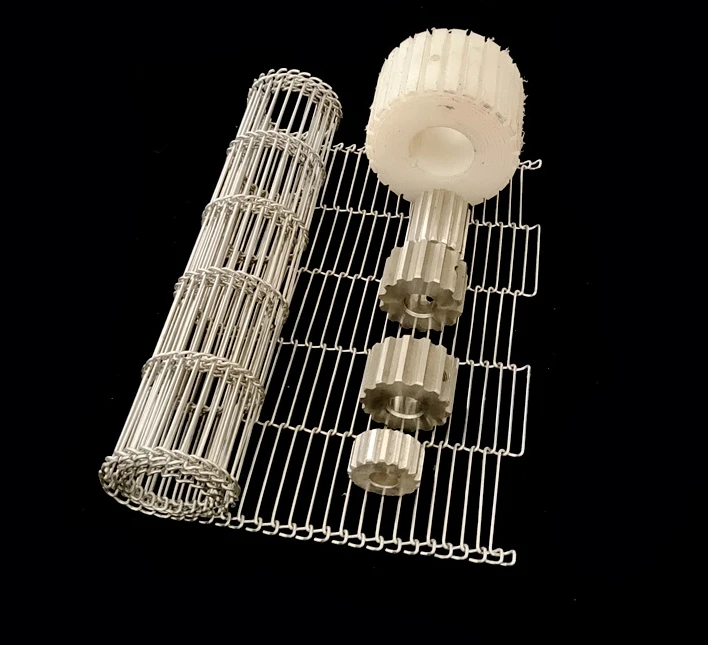
- Belt Type and Material: Different types of belts, such as Z-47 Belt, Stainless Steel Wire Mesh Belt, and Wire Belt, have different properties and require different levels of tension. The material of the belt also plays a role, as some materials are more flexible or stretchy than others.
- Pulley Size and Configuration: The size and configuration of the pulleys can affect the tension required for the belt. Larger pulleys generally require less tension than smaller pulleys, and the angle of the pulleys can also impact the tension distribution.
- Load and Speed: The amount of load and the speed at which the belt is operating can also affect the tension required. Higher loads and speeds typically require more tension to prevent slippage.
- Environmental Conditions: The operating environment can also have an impact on belt tension. Factors such as temperature, humidity, and exposure to chemicals or abrasive materials can cause the belt to expand or contract, which can affect the tension.
Determining the Optimal Belt Tension
Determining the optimal tension for a balanced belt requires a combination of theoretical calculations and practical experience. Here are the general steps to follow:
- Refer to the Manufacturer's Guidelines: The first step is to consult the manufacturer's guidelines for the specific belt you're using. These guidelines will provide recommended tension values based on the belt type, size, and application.
- Calculate the Tension: Once you have the recommended tension values, you can use a tension calculator or a formula to calculate the actual tension required for your system. The formula for calculating belt tension is:
[T = \frac{P}{v} \times \frac{K_1}{K_2}]
Where:
-
(T) is the belt tension (in Newtons)
-
(P) is the power transmitted (in Watts)

-
(v) is the belt speed (in meters per second)
-
(K_1) is a correction factor for the belt type and application
-
(K_2) is a correction factor for the pulley size and configuration
-
Measure the Tension: After calculating the tension, you can use a tension meter to measure the actual tension in the belt. This will help you to ensure that the belt is tensioned correctly and to make any necessary adjustments.
-
Adjust the Tension: If the measured tension is not within the recommended range, you can adjust the tension by tightening or loosening the belt. This can be done by adjusting the position of the pulleys or by using a tensioning device.
Maintaining Proper Belt Tension
Once you've determined the optimal tension for your balanced belt, it's important to maintain it over time. Here are some tips to help you keep your belt tension in check:
- Regular Inspections: Conduct regular inspections of the belt and the pulleys to check for signs of wear, damage, or misalignment. This will help you to identify any issues early on and take corrective action before they cause serious problems.
- Tension Checks: Periodically check the belt tension using a tension meter to ensure that it's still within the recommended range. This should be done at least once a month or more frequently if the belt is operating under harsh conditions.
- Proper Installation: Make sure that the belt is installed correctly and that the pulleys are aligned properly. This will help to ensure that the belt is tensioned evenly and that it operates smoothly.
- Environmental Control: Try to control the environmental conditions in which the belt is operating. This can include maintaining a consistent temperature and humidity level, and protecting the belt from exposure to chemicals or abrasive materials.
Conclusion
In conclusion, proper belt tension is essential for the efficient and reliable operation of belt-driven systems. By understanding the concept of balanced belt tension, the factors that affect it, and how to determine and maintain the optimal tension, you can ensure that your belts are operating at their best. As a supplier of balanced belts, I'm committed to providing high-quality products and expert advice to help you achieve the best results for your applications.
If you're interested in learning more about balanced belts or need assistance with determining the right tension for your specific application, please don't hesitate to contact me. I'd be happy to discuss your requirements and provide you with the information and support you need.
References
- "Belt Drives: Selection, Installation, and Maintenance," Industrial Press Inc., 2010.
- "Mechanical Design Handbook," McGraw-Hill Education, 2018.
- "Power Transmission Handbook," CRC Press, 2015.


