


As a seasoned supplier of Food Mesh Belts, I've witnessed firsthand the pivotal role that tension adjustment plays in the performance and longevity of these essential components in the food processing industry. In this blog post, I'll delve into the intricacies of tension adjustment, exploring its significance, the factors that influence it, and the best practices for achieving optimal results.
Understanding the Importance of Tension Adjustment
Tension adjustment is a critical aspect of maintaining the efficiency and reliability of a food mesh belt. When a mesh belt is properly tensioned, it ensures smooth and consistent operation, minimizing the risk of slippage, misalignment, and premature wear. This not only enhances the overall productivity of the food processing line but also reduces the likelihood of costly downtime and maintenance issues.
One of the primary functions of tension adjustment is to prevent the mesh belt from sagging or stretching. Over time, continuous use can cause the belt to lose its original tension, leading to a decrease in its performance. By regularly adjusting the tension, you can compensate for any stretching or wear, ensuring that the belt remains taut and in optimal condition.
Another important aspect of tension adjustment is to ensure proper tracking of the mesh belt. A well-tensioned belt will run straight and true, minimizing the risk of it wandering off the track. This is particularly important in applications where precise positioning of the food products is required, such as in baking or slicing operations.
Factors Affecting Tension Adjustment
Several factors can influence the tension requirements of a food mesh belt. Understanding these factors is essential for achieving accurate and effective tension adjustment.
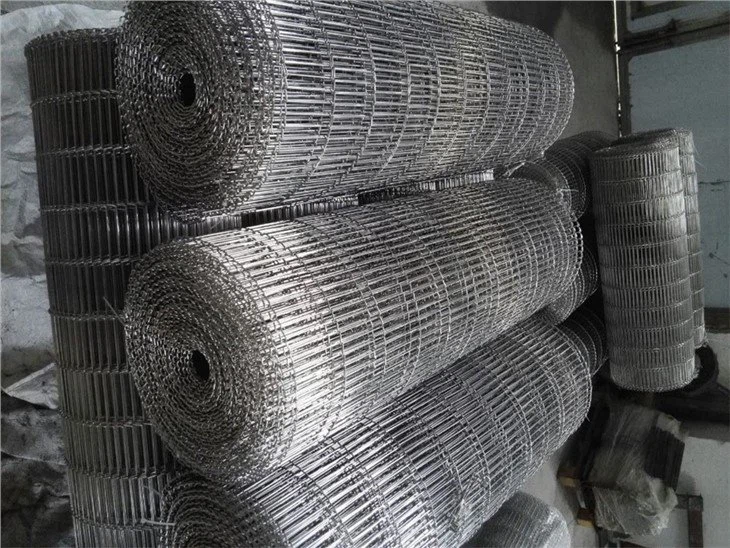
- Belt Material and Design: Different materials and designs of mesh belts have varying degrees of flexibility and stretchability. For example, Stainless Steel Mesh Belt are known for their durability and resistance to corrosion, but they may require higher tension levels compared to other materials. Similarly, the design of the mesh, such as the pitch and wire diameter, can also affect the tension requirements.
- Load and Speed: The amount of load being carried by the mesh belt and the speed at which it is operating can significantly impact the tension requirements. Higher loads and speeds generally require higher tension levels to ensure proper performance and prevent slippage.
- Temperature and Environment: The operating temperature and environment can also affect the tension of the mesh belt. Extreme temperatures, humidity, and exposure to chemicals or abrasive materials can cause the belt to expand or contract, leading to changes in tension. It's important to consider these factors when adjusting the tension and to make any necessary adjustments based on the specific operating conditions.
- Belt Length and Width: The length and width of the mesh belt can also influence the tension requirements. Longer belts generally require higher tension levels to prevent sagging, while wider belts may require more evenly distributed tension to ensure proper tracking.
Best Practices for Tension Adjustment
To achieve optimal tension adjustment for your food mesh belt, it's important to follow these best practices:
- Regular Inspections: Conduct regular inspections of the mesh belt to check for signs of wear, stretching, or misalignment. This will help you identify any issues early on and make the necessary adjustments to prevent further damage.
- Use the Right Tools: Invest in high-quality tensioning tools, such as tension gauges or torque wrenches, to ensure accurate and consistent tension adjustment. These tools will help you measure the tension levels and make precise adjustments as needed.
- Follow Manufacturer's Guidelines: Always refer to the manufacturer's guidelines and recommendations for tension adjustment. These guidelines are based on extensive testing and research and will provide you with the most accurate information for your specific mesh belt.
- Make Incremental Adjustments: When adjusting the tension, make small, incremental adjustments and test the belt's performance after each adjustment. This will help you avoid over-tightening or under-tightening the belt, which can lead to premature wear or other issues.
- Monitor and Maintain: Once you've achieved the optimal tension, continue to monitor the belt's performance and make any necessary adjustments over time. Regular maintenance, such as cleaning and lubrication, can also help extend the life of the mesh belt and ensure consistent performance.
Tension Adjustment Methods
There are several methods for adjusting the tension of a food mesh belt, depending on the specific design and application of the belt. Some common methods include:
- Manual Tensioning: This is the most basic method of tension adjustment and involves using a hand crank or lever to tighten or loosen the belt. Manual tensioning is suitable for small-scale applications or where precise tension control is not required.
- Spring Tensioning: Spring tensioning systems use a spring to apply a constant tension to the belt. This method is ideal for applications where the load or speed of the belt may vary, as the spring will automatically adjust the tension to compensate for these changes.
- Pneumatic or Hydraulic Tensioning: Pneumatic or hydraulic tensioning systems use compressed air or hydraulic fluid to apply tension to the belt. These systems offer precise and consistent tension control and are suitable for large-scale or high-speed applications.
- Automatic Tensioning: Automatic tensioning systems use sensors and controllers to monitor the tension of the belt and make adjustments as needed. This method offers the highest level of precision and reliability and is ideal for critical applications where consistent performance is essential.
Conclusion
In conclusion, tension adjustment is a crucial aspect of maintaining the performance and longevity of a food mesh belt. By understanding the importance of tension adjustment, the factors that influence it, and the best practices for achieving optimal results, you can ensure that your mesh belt operates smoothly and efficiently, minimizing the risk of downtime and costly maintenance issues.
As a trusted supplier of Furnace Mesh Belt, Stainless Steel Mesh Belt, and Metal Wire Mesh Belt, we are committed to providing our customers with high-quality products and expert advice on tension adjustment and other aspects of mesh belt operation. If you have any questions or need assistance with tension adjustment or any other mesh belt-related issues, please don't hesitate to contact us. We look forward to helping you optimize the performance of your food processing line.

References
- Food Processing Machinery Handbook
- Mesh Belt Manufacturer's Technical Manuals
- Industry Research Reports on Food Mesh Belt Applications


