


Hey there! As a supplier of spiral conveyor belts, I often get asked about the installation space requirements for these nifty pieces of equipment. In this blog, I'm gonna break it all down for you.
First off, let's talk about what a spiral conveyor belt is. It's a type of conveyor that moves materials in a spiral path, which is super useful for saving space in vertical transportation. You can find these belts in various industries, from food processing to manufacturing.
Now, when it comes to the installation space, there are a few key factors to consider.
Dimensions of the Conveyor Itself
The physical size of the spiral conveyor belt is the most obvious factor. You need to have enough room to accommodate the entire structure. The diameter of the spiral is a major consideration. Spiral conveyor belts come in different diameters, and the larger the diameter, the more floor space it'll take up. For example, a small - scale spiral conveyor for a local bakery might have a diameter of around 2 - 3 meters, while a large industrial one in a big factory could have a diameter of 5 meters or more.
The height is also crucial. If you're using the spiral conveyor for vertical transportation, you'll need to ensure that there's enough vertical clearance. Imagine a 10 - meter - high spiral conveyor used to move products between different floors in a multi - story factory. You have to make sure there are no obstructions like pipes, ducts, or overhead lighting fixtures in the way.
Clearance for Maintenance
Maintenance is an important part of keeping your spiral conveyor belt running smoothly. You need to have enough space around the conveyor to allow technicians to access different parts for inspection, cleaning, and repairs. A good rule of thumb is to leave at least 0.5 - 1 meter of clearance around the conveyor, depending on its size.
Let's say there's a problem with the bearings of the spiral conveyor. If there's not enough space to get in there, it'll be a real pain in the neck to fix. Plus, regular cleaning is essential to prevent the build - up of debris, and having sufficient clearance makes this task a whole lot easier.
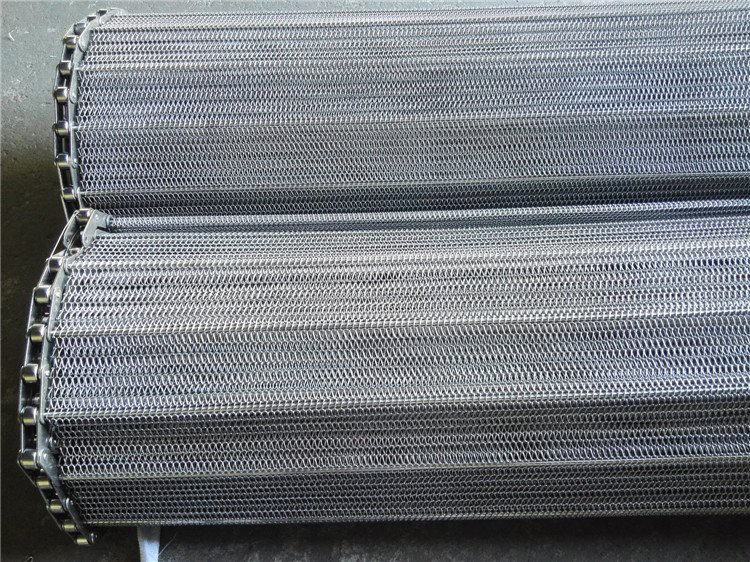

Space for Infeed and Outfeed
The infeed and outfeed points of the spiral conveyor also need proper space. The infeed is where the materials enter the conveyor, and the outfeed is where they exit. You have to make sure there's enough room for the upstream and downstream equipment to connect to the conveyor.
For instance, if you're using the spiral conveyor in a food processing plant, the infeed might be connected to a mixer or a slicer, and the outfeed could be linked to a packaging machine. Each of these pieces of equipment has its own size and operational requirements, so you need to plan the space accordingly. If the infeed area is too cramped, it can cause jams and disrupt the flow of materials, which is a big no - no.
Ventilation and Airflow
In some cases, especially in industries where heat or fumes are involved, proper ventilation is necessary. For example, in a factory that uses a spiral conveyor to move hot products from a Furnace Mesh Belt, there needs to be enough space for air to circulate. This helps in cooling down the products and preventing the build - up of heat around the conveyor.
If the conveyor is installed in a confined space without proper ventilation, it can lead to overheating of the equipment, which can damage the belt and other components. So, make sure to factor in the need for good airflow when planning the installation space.
Safety Clearance
Safety should always be a top priority. You need to leave enough safety clearance around the spiral conveyor to prevent accidents. This includes space for workers to move around without getting too close to the moving parts. There should also be enough room for emergency exits and access to safety equipment like fire extinguishers.
Think about a bustling factory floor. Workers are constantly moving around, and if the conveyor is installed too close to walkways or workstations, there's a high risk of collisions. So, set aside some extra space for a safety perimeter.
Site - Specific Considerations
Every installation site is unique, and there are often other site - specific factors to keep in mind. For example, if your spiral conveyor is going to be installed in an area with a sloped floor, you'll need to account for the angle and make sure the conveyor can be properly supported.
Another consideration is the presence of other machinery or structures nearby. If there are large storage racks or other conveyors in the vicinity, you have to make sure there's no interference when the spiral conveyor is in operation.
Specialized Applications
In some specialized industries, the installation space requirements can be even more demanding. For instance, in the food industry, where hygiene is a major concern, the space around the Food Mesh Belt used in a spiral conveyor must be easy to clean. This means having smooth surfaces, no hard - to - reach corners, and enough space for cleaning equipment to move around.
In the cold storage industry, when using a Spiral Freezer Belt, the installation space needs to be well - insulated to maintain the low temperatures required for freezing. There also needs to be enough space for the refrigerant pipes and other cooling components.
Planning Ahead
Before installing a spiral conveyor belt, it's a good idea to create a detailed layout of the installation area. This can help you visualize how everything will fit together and identify any potential space - related issues in advance. You can use computer - aided design (CAD) software to create accurate 2D or 3D models of the conveyor and the installation site.
It's also a good idea to consult with experts, like us at [leave out company name but still in suppler context] who have experience in installing spiral conveyor belts. We can provide valuable insights based on our real - world experience and help you make the most of the available space.
Conclusion
In conclusion, the installation space requirement for a spiral conveyor belt depends on a variety of factors, including the dimensions of the conveyor itself, clearance for maintenance, space for infeed and outfeed, ventilation, safety, and site - specific considerations. By carefully planning and taking all these factors into account, you can ensure a smooth and efficient installation.
If you're in the market for a spiral conveyor belt or have any questions about installation space requirements, don't hesitate to reach out to us. We're here to help you find the perfect solution for your needs. Contact us today to start the conversation about your purchase and get the best advice on installation.
References:
- Industry standards for conveyor belt installations
- Case studies from various industries using spiral conveyor belts
- Manufacturer's guidelines for different models of spiral conveyor belts


