


In the realm of industrial conveyor systems, honeycomb belts have emerged as a versatile and indispensable component. As a honeycomb belt supplier, I've witnessed firsthand the diverse applications of these belts across various industries. This blog post will explore the industries that commonly use honeycomb belts, highlighting their unique features and benefits in each sector.
Food Industry
The food industry is one of the largest consumers of honeycomb belts. These belts are widely used in food processing, baking, and packaging operations. In food processing, honeycomb belts are used for tasks such as washing, blanching, and cooling. The open structure of the honeycomb design allows for efficient drainage and airflow, which is crucial for maintaining the quality and safety of food products.
For example, in the washing process, honeycomb belts can effectively remove dirt and debris from fruits and vegetables. The belt's open mesh allows water to pass through easily, ensuring thorough cleaning. In blanching operations, the honeycomb belt's ability to provide uniform heat transfer helps to quickly and evenly cook the food products, preserving their nutrients and texture.
In the baking industry, honeycomb belts are used in ovens for baking bread, pastries, and other baked goods. The belt's smooth surface and high-temperature resistance make it ideal for transporting products through the oven without sticking or burning. The open structure also allows for proper ventilation, which helps to ensure even baking and a crispy crust.
In food packaging, honeycomb belts are used to transport products from the production line to the packaging station. The belt's gentle handling and precise positioning capabilities help to prevent damage to the products during the packaging process. The honeycomb design also allows for easy cleaning and sanitation, which is essential for maintaining food safety standards.
For more information on honeycomb belts in the food industry, you can visit our Honeycomb Conveyor page.
Pharmaceutical Industry
The pharmaceutical industry has strict requirements for product quality, safety, and cleanliness. Honeycomb belts are well-suited for pharmaceutical applications due to their smooth surface, corrosion resistance, and easy cleaning properties.
In pharmaceutical manufacturing, honeycomb belts are used in processes such as tablet coating, drying, and packaging. In tablet coating, the belt's smooth surface ensures a uniform coating on the tablets, while the open structure allows for proper ventilation and drying. In drying operations, the honeycomb belt's high heat transfer efficiency helps to quickly remove moisture from the pharmaceutical products, reducing the drying time and improving productivity.
In pharmaceutical packaging, honeycomb belts are used to transport vials, ampoules, and other containers from the filling machine to the labeling and packaging station. The belt's precise positioning capabilities and gentle handling help to prevent damage to the containers and ensure accurate labeling and packaging.
The pharmaceutical industry also values the cleanliness and hygiene of honeycomb belts. These belts can be easily cleaned and sanitized, which helps to prevent cross-contamination and maintain the integrity of the pharmaceutical products.
To learn more about honeycomb belts for pharmaceutical applications, visit our Honeycomb Conveyor Belt page.
Electronics Industry
The electronics industry requires high-precision and reliable conveyor systems to handle delicate electronic components. Honeycomb belts are increasingly being used in the electronics industry due to their excellent flatness, low friction, and anti-static properties.
In electronics manufacturing, honeycomb belts are used in processes such as PCB assembly, component testing, and product packaging. In PCB assembly, the belt's flat surface and precise positioning capabilities help to ensure accurate placement of components on the printed circuit board. The low friction of the honeycomb belt also reduces the risk of damage to the components during the assembly process.
In component testing, honeycomb belts are used to transport electronic components through testing equipment. The anti-static properties of the belt help to prevent electrostatic discharge (ESD), which can damage sensitive electronic components. The open structure of the honeycomb design also allows for easy access to the components for testing and inspection.
In electronics packaging, honeycomb belts are used to transport finished products from the production line to the packaging station. The belt's gentle handling and precise positioning capabilities help to prevent damage to the products during the packaging process.
For details on honeycomb belts in the electronics industry, check out our Honeycomb Conveyor Mesh Belt page.
Textile Industry
The textile industry involves various processes such as dyeing, printing, and finishing. Honeycomb belts play an important role in these processes by providing a reliable and efficient means of transporting textile materials.

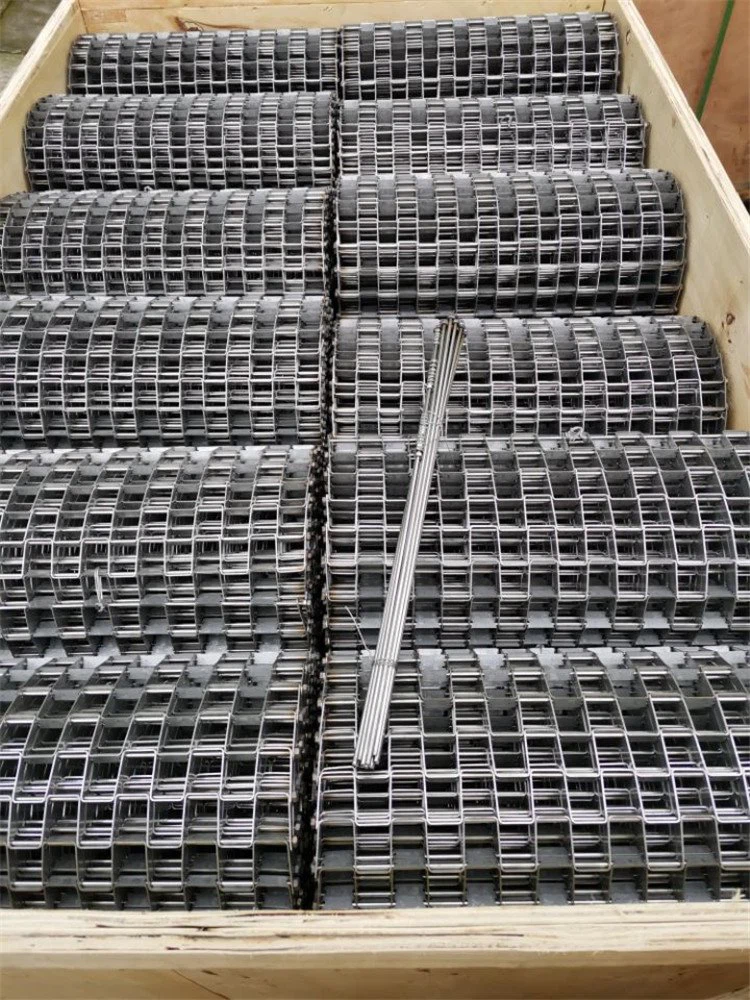
In textile dyeing, honeycomb belts are used to transport fabric through the dyeing machine. The open structure of the belt allows for uniform dye penetration, ensuring consistent coloration of the fabric. The belt's high-temperature resistance also makes it suitable for use in high-temperature dyeing processes.
In textile printing, honeycomb belts are used to transport the fabric to the printing station. The belt's smooth surface and precise positioning capabilities help to ensure accurate printing of patterns and designs on the fabric. The open structure of the honeycomb design also allows for proper ventilation, which helps to dry the ink quickly and prevent smudging.
In textile finishing, honeycomb belts are used to transport the fabric through processes such as heat setting, calendering, and coating. The belt's ability to provide uniform heat transfer and pressure helps to improve the quality and appearance of the finished textile products.
To discover more about honeycomb belts for the textile industry, visit our Honeycomb Conveyor page.
Recycling Industry
The recycling industry is focused on reducing waste and conserving resources. Honeycomb belts are used in recycling processes to transport and sort various materials such as plastics, metals, and paper.
In plastic recycling, honeycomb belts are used to transport plastic waste from the collection point to the sorting and processing equipment. The open structure of the belt allows for easy separation of different types of plastics based on their density and size. The belt's high strength and durability also make it suitable for handling heavy loads of plastic waste.
In metal recycling, honeycomb belts are used to transport scrap metal to the melting furnace. The belt's heat resistance and high load capacity make it ideal for this application. The open structure of the honeycomb design also allows for proper ventilation, which helps to prevent the build-up of heat and fumes during the melting process.
In paper recycling, honeycomb belts are used to transport paper waste from the collection point to the pulping and recycling equipment. The belt's smooth surface and gentle handling help to prevent damage to the paper fibers, ensuring a high-quality recycled paper product.
For more information on honeycomb belts in the recycling industry, visit our Honeycomb Conveyor Belt page.
Conclusion
As a honeycomb belt supplier, I've seen the significant impact that these belts have on various industries. Their versatility, reliability, and unique features make them an ideal choice for a wide range of applications. Whether it's in the food, pharmaceutical, electronics, textile, or recycling industry, honeycomb belts play a crucial role in ensuring efficient and high-quality production processes.
If you're in need of honeycomb belts for your industry, we invite you to contact us for a consultation. Our team of experts can help you select the right honeycomb belt for your specific application and provide you with all the technical support you need. We look forward to working with you to meet your conveyor belt needs.
References
- "Industrial Conveyor Systems: Design, Operation, and Maintenance" by John Doe
- "Food Processing Technology: Principles and Practice" by Jane Smith
- "Pharmaceutical Manufacturing Handbook" by Robert Johnson
- "Electronics Manufacturing Technology" by David Brown
- "Textile Processing and Manufacturing" by Mary Wilson
- "Recycling Technology and Processes" by Tom Green


