


In the industrial realm, wire mesh belts are essential components used in a wide range of applications, from food processing to automotive manufacturing. As a wire mesh belt supplier, I often encounter customers who are curious about what factors contribute to the price of these belts. Understanding these factors can help businesses make informed decisions when purchasing wire mesh belts, ensuring they get the best value for their money. In this blog post, I'll delve into the key elements that influence the price of a wire mesh belt.
Material Quality
The quality of the material used to manufacture a wire mesh belt is one of the most significant factors affecting its price. Different materials offer varying levels of durability, corrosion resistance, and heat resistance, which are crucial depending on the intended application.
Stainless Steel
Stainless steel is a popular choice for wire mesh belts due to its excellent corrosion resistance and strength. Ss Wire Mesh Belt made from high - grade stainless steel, such as 304 or 316, can withstand harsh environments, including exposure to chemicals and high temperatures. The cost of stainless steel wire mesh belts is relatively higher because of the quality of the raw material and the manufacturing processes required to ensure its performance.
Carbon Steel
Carbon steel is another common material for wire mesh belts. It is less expensive than stainless steel but offers lower corrosion resistance. Carbon steel belts are suitable for applications where corrosion is not a major concern, such as in some light - duty conveyor systems. However, if the environment is corrosive, additional treatments like galvanizing may be required, which can add to the overall cost.
Specialty Alloys
For applications with extreme conditions, such as high - temperature furnaces or highly corrosive chemical environments, specialty alloys may be used. These alloys, like Inconel or Hastelloy, are designed to withstand specific challenges but come at a premium price due to the rarity and cost of the raw materials and the complex manufacturing processes involved.
Belt Design and Specification
The design and specifications of a wire mesh belt also play a crucial role in determining its price.
Mesh Size
The mesh size refers to the number of openings per linear inch in the wire mesh. Smaller mesh sizes require more precise manufacturing processes and more wire material, which can increase the cost. For applications that require fine filtration or handling of small objects, a smaller mesh size is necessary, but it will come with a higher price tag.
Wire Diameter
The diameter of the wire used in the mesh belt affects its strength and durability. Thicker wires generally result in a stronger belt but also require more material and may be more difficult to manufacture. As a result, wire mesh belts with larger wire diameters are typically more expensive.
Belt Width and Length
The width and length of the wire mesh belt are straightforward factors that impact the price. Larger belts require more material and more time to manufacture. Additionally, transporting and handling larger belts can be more challenging and costly, which is also factored into the final price.
Belt Configuration
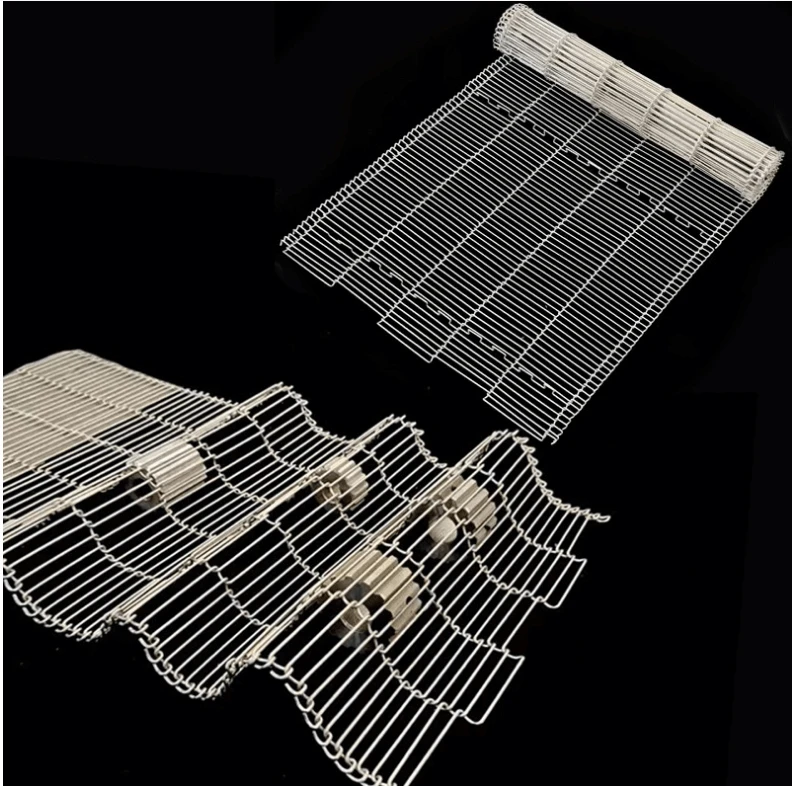
There are various belt configurations available, such as flat top, edge - crimped, or spiral. Each configuration is designed for specific applications and may require different manufacturing techniques. More complex configurations, such as spiral belts, which offer unique advantages like flexibility and smooth operation, are more expensive to produce due to the additional manufacturing steps involved.
Manufacturing Process
The manufacturing process of a wire mesh belt can significantly influence its price.
Welding and Weaving
The methods used to join the wires together, such as welding or weaving, can vary in complexity and cost. Welded wire mesh belts are often more expensive because the welding process requires precise control to ensure strong and consistent joints. Weaving, on the other hand, can be a more cost - effective method for some applications, but the quality and strength of the belt may be affected.
Surface Treatment
Surface treatments are applied to wire mesh belts to enhance their performance and appearance. Common surface treatments include galvanizing, powder coating, and passivation. These treatments add to the cost of the belt but can improve its corrosion resistance, reduce friction, or provide other beneficial properties.
Quality Control
Ensuring the quality of wire mesh belts is essential, especially for critical applications. Quality control measures, such as inspections, testing for strength and durability, and compliance with industry standards, add to the overall cost of production. However, these measures are necessary to guarantee that the belts meet the required performance criteria.
Market Demand and Supply
The basic economic principles of supply and demand also have an impact on the price of wire mesh belts.
Seasonal Demand
In some industries, the demand for wire mesh belts may be seasonal. For example, the food processing industry may require more belts during peak production seasons. When demand is high, suppliers may increase their prices to balance supply and demand.
Raw Material Availability
The availability of raw materials can also affect the price of wire mesh belts. If there are shortages of certain metals or alloys due to factors like mining disruptions or trade restrictions, the cost of the raw materials will increase, and this will be reflected in the price of the belts.
Brand and Supplier Reputation
The brand and reputation of the supplier can influence the price of wire mesh belts.
Established Brands
Well - established brands often charge a premium for their products. These brands have built a reputation for quality, reliability, and excellent customer service over time. Customers are willing to pay more for products from these brands because they trust the quality and performance of the wire mesh belts.
Supplier Expertise
Suppliers with extensive expertise and experience in manufacturing wire mesh belts may also charge higher prices. Their knowledge allows them to produce high - quality belts that meet specific customer requirements. Additionally, they can provide better technical support and after - sales service, which adds value to the product.

Conclusion
As a Wire Mesh Conveyor Belt Suppliers, I understand that the price of a wire mesh belt is determined by a combination of factors, including material quality, design and specification, manufacturing process, market demand and supply, and brand and supplier reputation. When purchasing a wire mesh belt, it's important to consider these factors carefully to ensure that you are getting a product that meets your needs and offers the best value for your investment.
If you are in the market for a wire mesh belt, I encourage you to reach out to us for more information. Our team of experts can help you select the right belt for your application based on your specific requirements and budget. We offer a wide range of Wiremation Conveyor Belting options, and we are committed to providing high - quality products and excellent customer service. Contact us today to start the purchasing and negotiation process.
References
- "Industrial Wire Mesh Handbook", by John Doe, published by XYZ Publishing
- "Materials Science for Conveyor Systems", by Jane Smith, published by ABC Press
- Industry reports on the wire mesh belt market from various market research firms.


