


The textile industry is a complex and dynamic sector that demands high - performance equipment to ensure smooth production processes. Among the various components, mesh belts play a crucial role in multiple stages of textile manufacturing. As a mesh belt supplier, I understand the unique requirements that the textile industry places on these belts. In this blog, I will delve into the special requirements for a mesh belt in the textile industry.
High - Temperature Resistance
In many textile manufacturing processes, high temperatures are involved. For example, during the heat - setting process, fabrics need to be exposed to elevated temperatures to fix their shape and dimensions. A mesh belt used in such applications must be able to withstand these high temperatures without deforming or losing its structural integrity.
Our Furnace Mesh Belt is specifically designed to meet these high - temperature requirements. It is made from high - quality materials that can endure extreme heat, ensuring a long service life even in the most demanding furnace environments. The belt's ability to maintain its shape at high temperatures is essential for consistent heat transfer and uniform treatment of the textiles. This not only improves the quality of the final product but also reduces the risk of production downtime due to belt failure.

Chemical Resistance
Textile processing often involves the use of various chemicals, such as dyes, bleaches, and finishing agents. These chemicals can be corrosive and may damage ordinary mesh belts. Therefore, a mesh belt in the textile industry must have excellent chemical resistance.
The materials used in our mesh belts are carefully selected to resist the corrosive effects of common textile chemicals. Whether it is acid - based dyes or alkaline finishing agents, our belts can withstand the chemical exposure without significant degradation. This chemical resistance ensures that the mesh belt remains functional and does not contaminate the textiles during the processing. It also reduces the need for frequent belt replacements, thereby lowering the overall production costs.
Precision and Uniformity
In textile manufacturing, precision is key. The mesh belt needs to provide a stable and uniform surface for the movement of fabrics. Any irregularities in the belt's surface or movement can lead to uneven dyeing, printing, or finishing of the textiles.
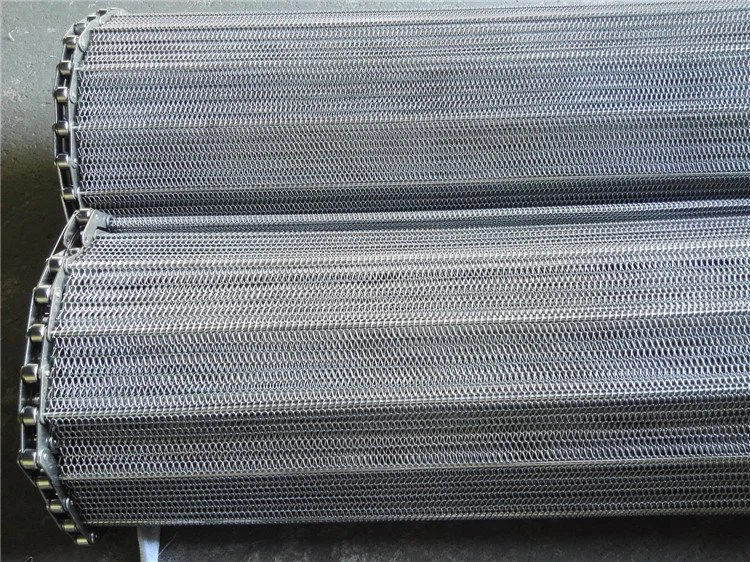
Our Metal Wire Mesh Belt is engineered with high precision. The wires are woven or welded in a consistent pattern to ensure a smooth and uniform surface. This allows for precise control of the fabric's movement during processing. The belt's pitch and aperture size are carefully calibrated to meet the specific requirements of different textile applications, ensuring that the fabrics are handled with the utmost precision.
Flexibility and Adaptability
The textile industry is constantly evolving, with new production techniques and fabric types emerging regularly. A mesh belt must be flexible and adaptable to these changes. It should be able to accommodate different fabric widths, weights, and processing speeds.
Our Spiral Conveyor Belt offers excellent flexibility. Its unique spiral design allows it to be easily adjusted to different conveyor configurations. It can handle a wide range of fabric sizes and weights, making it suitable for various textile production lines. Whether it is a small - scale artisanal textile workshop or a large - scale industrial manufacturing plant, our spiral conveyor belt can be customized to meet the specific needs of the operation.
Low Friction and Smooth Operation
To prevent damage to the delicate textile fabrics, the mesh belt must have low friction and operate smoothly. High friction can cause the fabrics to snag or tear, resulting in product defects.
Our mesh belts are designed with low - friction surfaces. The materials and surface treatments used reduce the coefficient of friction between the belt and the fabric. This ensures that the fabrics can move smoothly along the belt without being damaged. Additionally, the belt's drive system is optimized for smooth operation, minimizing vibrations and jerks that could affect the fabric's quality.
Hygiene and Cleanliness
In the textile industry, especially for products that come into contact with the human body, such as clothing and bedding, hygiene is of utmost importance. The mesh belt must be easy to clean and maintain to prevent the accumulation of dirt, dust, and bacteria.
Our mesh belts are designed with a simple and open structure that allows for easy cleaning. They can be quickly washed with water or cleaned using appropriate cleaning agents. The materials used are non - porous and do not absorb contaminants, ensuring that the belt remains hygienic throughout its service life. This is crucial for maintaining the quality and safety of the textile products.
Durability and Longevity
Textile manufacturing is a continuous process, and any downtime due to belt failure can be costly. Therefore, a mesh belt must be durable and have a long service life.
Our mesh belts are built to last. We use high - strength materials and advanced manufacturing techniques to ensure the belt's durability. The belts are rigorously tested before leaving the factory to ensure that they can withstand the harsh conditions of textile production. By investing in a durable mesh belt, textile manufacturers can reduce the frequency of belt replacements and minimize production disruptions.
Customization
Every textile manufacturer has unique requirements based on their production processes, fabric types, and quality standards. Therefore, a mesh belt supplier should be able to offer customized solutions.
As a mesh belt supplier, we understand the importance of customization. We work closely with our customers to understand their specific needs and design mesh belts that meet their exact requirements. Whether it is a special belt width, aperture size, or material composition, we can provide a tailored solution. This customization allows textile manufacturers to optimize their production processes and achieve better product quality.
Conclusion
In conclusion, the textile industry has several special requirements for mesh belts, including high - temperature resistance, chemical resistance, precision, flexibility, low friction, hygiene, durability, and customization. As a mesh belt supplier, we are committed to meeting these requirements by providing high - quality, reliable, and customized mesh belts.
If you are a textile manufacturer looking for a mesh belt that can meet your specific needs, we would be delighted to have a discussion with you. Our team of experts is ready to provide you with professional advice and solutions. Contact us today to start the procurement negotiation and take your textile production to the next level.
References
- "Textile Manufacturing Processes" - A comprehensive textbook on textile production techniques.
- "Materials Science for Industrial Applications" - A book that covers the properties and applications of materials used in industrial equipment.
- Industry reports on the textile manufacturing sector, which highlight the latest trends and requirements for production equipment.


