


When it comes to industrial operations, wire mesh belts are indispensable components used in a wide range of applications, from food processing to automotive manufacturing. As a trusted wire mesh belt supplier, I understand the importance of safety when using these belts. In this blog post, I will share some essential safety precautions that you should take into account to ensure the well - being of your workers and the smooth operation of your equipment.
1. Pre - installation Safety Checks
Before installing a wire mesh belt, it is crucial to conduct a thorough inspection of the belt itself and the conveyor system.
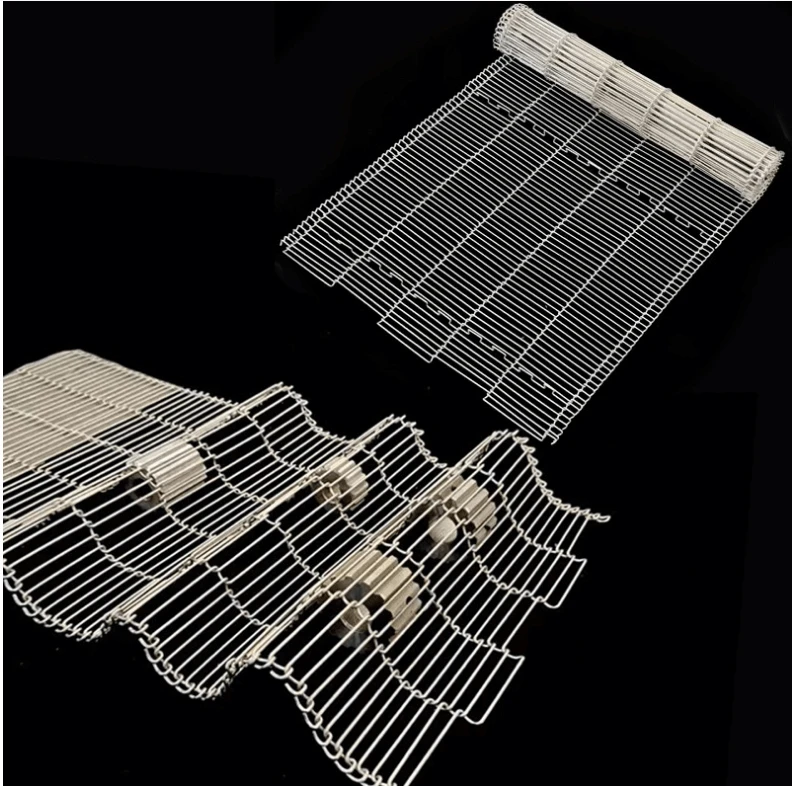
- Belt Inspection: Carefully examine the wire mesh belt for any signs of damage, such as broken wires, loose joints, or excessive wear. For example, if you are using a Z - 47 Belt, check the integrity of its unique design. Any damaged parts can lead to belt failure during operation, which may cause accidents.
- Conveyor System Inspection: Inspect the conveyor frame, rollers, pulleys, and drive mechanisms. Ensure that all components are clean, properly aligned, and in good working condition. Misaligned rollers or pulleys can cause the belt to run off - track, increasing the risk of jams and belt damage.
2. Proper Installation
Proper installation of the wire mesh belt is the foundation for safe operation.
- Follow Manufacturer's Instructions: Every wire mesh belt has specific installation requirements. Make sure to follow the manufacturer's guidelines precisely. This includes the correct tensioning of the belt. Over - tensioning can lead to premature wear and increased stress on the belt and conveyor components, while under - tensioning can cause the belt to slip.
- Use Appropriate Tools: Use the right tools for installation, such as wrenches, pliers, and belt splicing equipment. Improper tools can damage the belt and make the installation process unsafe. For instance, when splicing a Flat Wire Mesh Belts, using a sharp and accurate splicing tool is essential to ensure a strong and reliable joint.
3. Operator Training
Operators who work with wire mesh belts should receive comprehensive training.
- General Safety Knowledge: Train operators on general safety rules, such as wearing appropriate personal protective equipment (PPE). This may include safety glasses, gloves, and steel - toed boots. PPE can protect operators from flying debris, sharp edges, and potential pinch points.
- Belt Operation Skills: Teach operators how to start, stop, and adjust the speed of the conveyor system safely. They should also be trained on how to recognize and respond to common belt problems, such as belt tracking issues and material jams. For example, if an operator notices that a Wiremation Conveyor Belting is starting to drift to one side, they should know how to make the necessary adjustments to prevent further damage.
4. Regular Maintenance
Regular maintenance is key to keeping wire mesh belts in good working condition and preventing safety hazards.
- Cleaning: Clean the wire mesh belt regularly to remove dirt, debris, and any build - up of product. A dirty belt can affect its performance and increase the risk of corrosion. Depending on the application, different cleaning methods may be required. For food processing applications, a hygienic cleaning process is essential to meet food safety standards.
- Lubrication: Lubricate the moving parts of the conveyor system, such as bearings and pulleys, as recommended by the manufacturer. Proper lubrication reduces friction, extends the lifespan of the components, and helps prevent overheating.
- Inspection: Conduct routine inspections of the belt and conveyor system. Look for signs of wear, damage, or misalignment. Check the belt's tension regularly and adjust it if necessary. Early detection of problems can prevent major breakdowns and safety incidents.
5. Hazard Identification and Mitigation
Be aware of potential hazards associated with wire mesh belts and take steps to mitigate them.
- Pinch Points: Identify all pinch points on the conveyor system, such as where the belt meets the pulleys or rollers. Install guards or barriers to prevent operators from accidentally getting their fingers or clothing caught in these areas.
- Electrical Hazards: If the conveyor system is electrically powered, ensure that all electrical components are properly grounded and insulated. Regularly inspect electrical wiring for signs of damage or fraying.
- Fire Hazards: In some applications, such as those involving flammable materials, there may be a fire hazard. Make sure to have appropriate fire prevention and suppression measures in place, such as fire extinguishers and fire - resistant enclosures.
6. Emergency Preparedness
Even with all the safety precautions in place, emergencies can still occur. It is essential to be prepared.

- Emergency Stop Buttons: Ensure that there are easily accessible emergency stop buttons located along the conveyor system. Operators should know the location of these buttons and be trained to use them in case of an emergency.
- Evacuation Plan: Develop an evacuation plan for the area where the wire mesh belt is installed. Make sure all employees are familiar with the plan and know the evacuation routes.
- First - Aid Equipment: Have first - aid equipment readily available in case of injuries. Train employees on basic first - aid procedures.
7. Storage and Handling
Proper storage and handling of wire mesh belts when they are not in use are also important for safety.
- Storage Conditions: Store wire mesh belts in a clean, dry, and well - ventilated area. Protect them from moisture, dust, and direct sunlight, which can cause corrosion and damage.
- Handling Procedures: When handling wire mesh belts, use proper lifting techniques. Avoid dragging the belts on rough surfaces, as this can cause damage to the wires.
In conclusion, safety when using wire mesh belts is a multi - faceted issue that requires attention at every stage, from pre - installation checks to emergency preparedness. By following these safety precautions, you can minimize the risk of accidents, protect your workers, and ensure the efficient and reliable operation of your conveyor systems.
If you are in the market for high - quality wire mesh belts and want to learn more about our products or discuss your specific requirements, we encourage you to get in touch with us. Our team of experts is ready to assist you in finding the best wire mesh belt solutions for your application.
References
- "Industrial Conveyor Belt Safety Standards", International Safety Council
- "Wire Mesh Belt Installation and Maintenance Guide", Industry Association for Conveyor Systems


