


Noise pollution is a significant concern in industrial settings, and spiral freezer belts are no exception. As a supplier of high - quality Spiral Freezer Belt, I understand the importance of noise reduction measures. In this blog, we will explore various effective ways to minimize the noise generated by spiral freezer belts, ensuring a more comfortable and productive working environment.
Understanding the Sources of Noise in Spiral Freezer Belts
Before delving into the noise reduction measures, it's essential to understand where the noise comes from. There are several factors contributing to the noise in spiral freezer belts:
- Friction: The friction between the belt and the rollers or other components of the freezer system is a major source of noise. As the belt moves, it rubs against the contact surfaces, generating a continuous, often high - pitched noise.
- Vibration: The operation of the freezer can cause the belt and related parts to vibrate. These vibrations can produce noise, especially if the components are not properly balanced or secured.
- Impact: When products are loaded onto or removed from the belt, there can be impact noise. Also, if there are any loose parts within the system, they may collide and create additional noise.
Noise Reduction Measures
1. Belt Material Selection
The choice of belt material plays a crucial role in noise reduction. Some materials are inherently quieter than others. For example, polyurethane belts tend to produce less noise compared to traditional rubber belts. Polyurethane has better shock - absorbing properties, which can dampen vibrations and reduce the noise caused by friction.
In addition, Net Conveyor Belt made from high - quality synthetic materials can also be a good option. These belts have a unique mesh structure that can help to reduce the contact area between the belt and the rollers, thereby minimizing friction and noise.
2. Roller Design and Maintenance
Rollers are an integral part of the spiral freezer belt system, and their design and maintenance can significantly affect noise levels.
- Proper Roller Alignment: Misaligned rollers can cause uneven wear on the belt and increase friction, leading to more noise. Regularly checking and adjusting the alignment of the rollers can prevent this problem. Using precision - engineered rollers with high - quality bearings can also ensure smooth operation and reduce noise.
- Roller Surface Treatment: Applying a special coating or finish to the roller surface can reduce friction. For example, a Teflon coating can make the surface smoother, allowing the belt to glide over it more easily and quietly.
- Roller Maintenance: Regular cleaning and lubrication of the rollers are essential. Dust and debris can accumulate on the rollers, increasing friction and noise. By keeping the rollers clean and well - lubricated, we can ensure their optimal performance and reduce noise.
3. Vibration Isolation
Isolating the vibrations of the spiral freezer belt system can effectively reduce noise.
- Anti - vibration Mounts: Installing anti - vibration mounts between the freezer and the floor can absorb and dampen vibrations. These mounts are typically made of rubber or other elastic materials that can reduce the transmission of vibrations to the surrounding environment.
- Flexible Connectors: Using flexible connectors in the belt system can also help to isolate vibrations. For example, flexible couplings between the motor and the conveyor can prevent the transfer of motor vibrations to the belt, reducing noise.
4. Enclosure and Soundproofing
Enclosing the spiral freezer belt system and adding soundproofing materials can significantly reduce the noise emitted into the surrounding area.
- Sound - Insulating Enclosures: Building a sound - insulating enclosure around the freezer can contain the noise within a limited space. The enclosure can be made of materials such as acoustic panels, which are designed to absorb sound waves.
- Sealing Gaps: Ensuring that there are no gaps in the enclosure is crucial. Even small gaps can allow noise to escape. Using proper seals and gaskets can help to create an air - tight enclosure, enhancing the soundproofing effect.
5. Product Handling and Loading
The way products are handled and loaded onto the belt can also impact noise levels.
- Gentle Loading: Using automated loading systems that can gently place products on the belt can reduce impact noise. Avoiding dropping or throwing products onto the belt can prevent sudden loud noises.
- Product Placement: Ensuring that products are evenly distributed on the belt can prevent uneven stress and vibration, which in turn can reduce noise.
Benefits of Noise Reduction
Implementing these noise reduction measures offers several benefits:
- Improved Working Conditions: A quieter working environment is more comfortable for employees. It can reduce stress and fatigue, leading to higher productivity and better job satisfaction.
- Compliance with Regulations: Many industrial areas have noise regulations in place. By reducing the noise generated by the spiral freezer belt system, companies can ensure compliance with these regulations and avoid potential fines.
- Equipment Longevity: Reducing friction and vibration through noise reduction measures can also extend the lifespan of the belt and other components. This can save costs on equipment replacement and maintenance in the long run.
Conclusion
As a supplier of Spiral Food Conveyor Belt, I am committed to providing solutions that not only meet the functional requirements of our customers but also address environmental concerns such as noise pollution. By implementing the noise reduction measures discussed above, we can create a more efficient, compliant, and comfortable working environment.
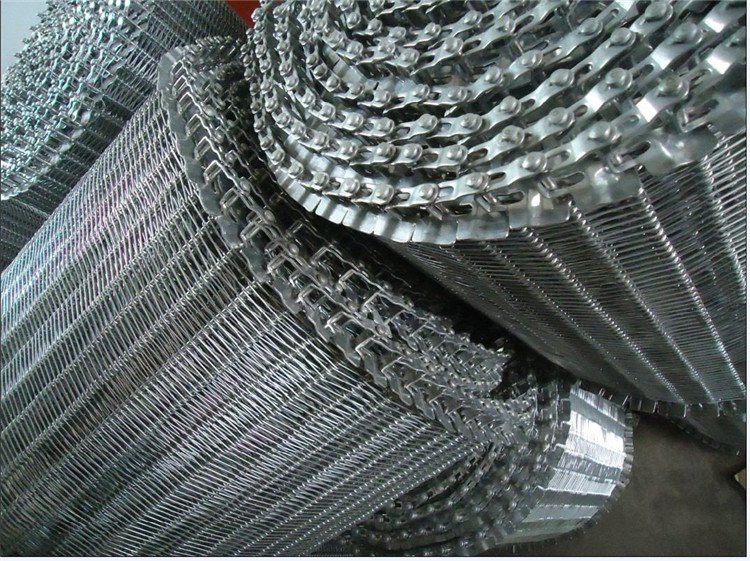

If you are interested in our spiral freezer belts and would like to learn more about how we can help you reduce noise in your industrial operations, please feel free to contact us for a procurement discussion. We look forward to working with you to find the best solutions for your needs.
References
- "Industrial Noise Control Handbook" - A comprehensive guide on noise control in industrial settings.
- "Conveyor Belt Technology" - A book that covers various aspects of conveyor belt design, operation, and maintenance, including noise reduction.


