


A clean room is a controlled environment where pollutants such as dust, airborne microbes, aerosol particles, and chemical vapors are filtered out to provide the cleanest area possible. Wire conveyor belts are often used in clean rooms for various applications, including food processing, electronics manufacturing, and pharmaceutical production. As a wire conveyor belt supplier, I understand the importance of proper installation to ensure the belt functions efficiently and maintains the cleanliness of the room. In this blog, I'll discuss the installation requirements for a wire conveyor belt in a clean room.
Pre - installation Preparation
1. Room Inspection
Before installing the wire conveyor belt, a thorough inspection of the clean room is necessary. Check the room's dimensions to ensure there is enough space for the conveyor belt system, including space for maintenance and future expansion. Measure the floor's flatness as any unevenness can cause the belt to wear unevenly or lead to tracking problems. The floor should have a deviation of no more than ± 3mm per meter. Also, examine the air circulation system in the clean room. Adequate air circulation is crucial to prevent the accumulation of dust and contaminants around the conveyor belt. Make sure the air vents are not blocked and the air filtration system is working properly.
2. Belt Selection
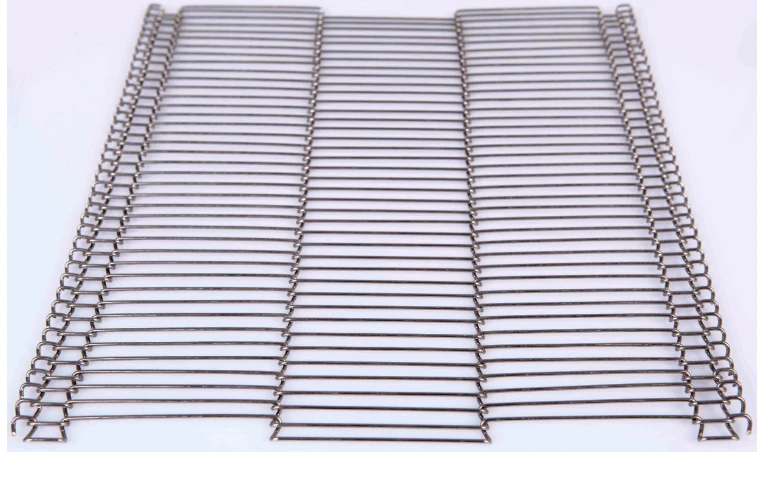
Selecting the right wire conveyor belt is the first step towards a successful installation. Consider the application requirements such as the type of material being conveyed, the temperature, and the load capacity. For example, if you are in the food processing industry, you may need a Metal Mesh Conveyor Belt that is easy to clean and meets food safety standards. In high - temperature applications like heat treatment processes, a Furnace Wire Conveyor Belt with high heat resistance is required. For heavy - duty applications, a Steel Wire Belt with high tensile strength can be a good choice.
3. Equipment Cleaning
All the components of the conveyor belt system, including the belt itself, rollers, pulleys, and frames, should be thoroughly cleaned before installation. Use a non - abrasive cleaner that is compatible with the materials of the components. For example, stainless - steel components can be cleaned with a mild detergent and water, followed by a rinse with deionized water to prevent the formation of water spots. After cleaning, dry the components completely to avoid the growth of bacteria or mold.
Installation Process
1. Frame Installation
The frame of the conveyor belt is the foundation of the entire system. It should be installed accurately and securely. First, mark the position of the frame on the floor according to the design drawings. Use leveling feet to adjust the height of the frame and ensure it is level. Then, anchor the frame to the floor using bolts or other appropriate fasteners. Make sure the frame is rigid and can withstand the weight of the belt and the conveyed materials.
2. Roller and Pulley Installation
Rollers and pulleys play a crucial role in the smooth operation of the wire conveyor belt. Install the rollers and pulleys at the correct positions on the frame. Ensure that they are parallel to each other and perpendicular to the direction of the belt movement. Check the alignment of the rollers and pulleys using a laser alignment tool. Any misalignment can cause the belt to drift to one side, leading to uneven wear and potential damage to the belt.
3. Belt Installation
When installing the wire conveyor belt, handle it carefully to avoid any damage. Start by placing one end of the belt on the drive pulley and then gradually feed the belt onto the rollers. Make sure the belt is centered on the rollers and pulleys. Use a belt tensioning device to adjust the tension of the belt. The proper tension is essential for the belt's smooth operation and to prevent slipping. A general rule of thumb is to adjust the tension so that the belt can be deflected about 1 - 2% of the distance between the pulleys.
4. Electrical and Control System Installation
If the conveyor belt is powered by an electric motor, install the electrical wiring and control system according to the electrical codes and safety standards. Connect the motor to the power supply and the control panel. Test the motor to ensure it is running smoothly. The control system should be able to control the speed, direction, and start/stop functions of the conveyor belt accurately.
Post - installation Checks
1. Belt Tracking
After the installation, check the belt tracking. Run the conveyor belt at a low speed and observe if the belt runs straight. If the belt drifts to one side, adjust the position of the rollers or pulleys slightly to correct the tracking. This process may need to be repeated several times until the belt runs smoothly in the center of the conveyor.
2. Tension Adjustment
Re - check the tension of the belt after running it for a short period. The belt may stretch slightly during the initial operation, so the tension may need to be readjusted. A proper tension ensures that the belt has good contact with the rollers and pulleys, reducing the risk of slipping and improving the overall efficiency of the conveyor system.
3. Cleanliness Check
Inspect the clean room again after the installation to ensure that there is no debris or contaminants left behind. Use a particle counter to measure the particle concentration in the air. The particle concentration should meet the clean room's classification standards. If the particle concentration is higher than the standard, clean the area again and check the air filtration system.
Maintenance Requirements
1. Regular Cleaning
Regular cleaning of the wire conveyor belt is essential to maintain the cleanliness of the clean room. The frequency of cleaning depends on the application and the level of contamination. For example, in a food processing clean room, the belt may need to be cleaned after each production shift. Use a suitable cleaning agent and a soft brush or cloth to clean the belt. Rinse the belt thoroughly with deionized water to remove any cleaning residues.
2. Lubrication
Some components of the conveyor belt system, such as bearings and chains, may require lubrication. Use a lubricant that is compatible with the materials of the components and does not generate dust or contaminants. Apply the lubricant at the recommended intervals to ensure the smooth operation of the components.
3. Inspection and Replacement
Regularly inspect the wire conveyor belt and other components for signs of wear, damage, or corrosion. Check the joints of the belt for any signs of loosening or breakage. Replace any worn - out or damaged components promptly to prevent further damage to the belt and the conveyor system.

Conclusion
Installing a wire conveyor belt in a clean room requires careful planning, accurate installation, and regular maintenance. By following the installation requirements and best practices, you can ensure the efficient operation of the conveyor belt system while maintaining the cleanliness of the clean room. As a wire conveyor belt supplier, I am committed to providing high - quality products and professional installation guidance. If you are interested in purchasing a wire conveyor belt or need more information about the installation process, please feel free to contact me for further discussion and procurement negotiations.
References
- "Cleanroom Technology Handbook" by Peter A. Fuhrmann
- "Conveyor Belt Engineering" by Conveyor Equipment Manufacturers Association


