


What are the energy - consumption characteristics of a food conveyor wire belt?
Hey there! As a supplier of Food Conveyor Wire Belts, I've gotten a ton of questions about the energy - consumption characteristics of these belts. And let me tell you, it's a topic that's really important for folks in the food industry. So, I figure I'll take some time to break it down for y'all.
First off, let's talk about what a food conveyor wire belt is. It's a key part of many food processing and packaging lines. The Food Wire Belt moves food products from one place to another, whether it's from the production area to the packaging station or through different stages of cooking or cooling. These belts are super versatile and come in different types, like the Flat Flex Belts and Stainless Steel Flat Flex Belt.
Now, onto the energy - consumption side of things. One of the big factors that affects how much energy a food conveyor wire belt uses is its design. See, belts with a more open design, like some flat - flex belts, generally allow for better air circulation. This means less resistance when the belt is moving. Less resistance equals less energy used to keep the belt running. For example, if you're using a conveyor in a baking facility where air needs to flow around the products, an open - design belt is gonna be way more energy - efficient.
The material of the belt also plays a huge role. Stainless steel is a common material for food conveyor wire belts, mainly because it's hygienic and durable. But it can be heavier than other materials. And you guessed it, a heavier belt takes more energy to move. So, if you've got a long conveyor system with a heavy stainless - steel belt, you might notice higher energy bills. On the other hand, if you can find a way to use a lighter material that still meets your food - safety standards, you could save a decent amount of energy.
Another thing that impacts energy consumption is the speed of the conveyor. The faster the belt moves, the more energy it needs. This is just basic physics. In food processing, there are often specific speed requirements based on the type of product. For instance, if you're moving delicate pastries, you can't have the belt zipping along at full speed. But if you're dealing with something more robust like canning fruits, a higher speed might be acceptable. It's all about finding that sweet spot where you can get the job done efficiently without using excessive energy.
The length of the conveyor is yet another consideration. A longer conveyor needs more energy to run than a shorter one. This is because there's more belt to move, and more to keep in tension. In a large food - processing plant, you might have multiple conveyors connected in a long line. In these cases, it's important to optimize the layout. You could break up long conveyors into shorter sections, or use different types of conveyors in series to reduce the overall energy load.
Maintenance also has a big impact on energy consumption. A well - maintained belt runs more smoothly. If the belt is dirty or has parts that are worn out, it creates more friction. And friction means the motor has to work harder to keep the belt moving, which uses more energy. Regular cleaning, lubrication (if required), and checking for any loose or damaged parts can go a long way in keeping energy use down.
Now, let's talk about how these energy - consumption characteristics translate into real - world savings. If you're a food - processing business, reducing energy consumption can mean significant cost savings. Not only that, but it's also better for the environment. You can use the money you save on energy to invest in other areas of your business, like upgrading your equipment or improving your products.
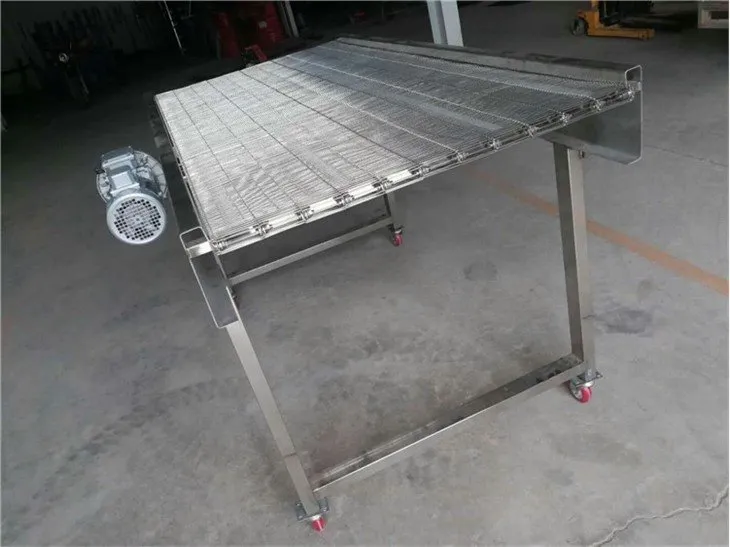

If you're in the market for a food conveyor wire belt, it's important to think about these energy - consumption factors. You don't want to end up with a belt that's gonna cost you a fortune to run. That's where we come in. As a food conveyor wire belt supplier, we can help you choose the right belt for your specific needs. We've got a wide range of Food Wire Belt, Flat Flex Belts, and Stainless Steel Flat Flex Belt options, and we know which ones are more energy - efficient based on different applications.
So, if you're looking to upgrade your food conveyor system or just want to learn more about how to reduce your energy costs, we're here for you. Get in touch with us to start a conversation about how we can help you find the perfect conveyor belt that not only meets your production needs but also keeps your energy bills in check.
References
- General knowledge of food conveyor wire belt technology from industry experience.
- Studies on energy efficiency in conveyor systems in the food processing industry.


