


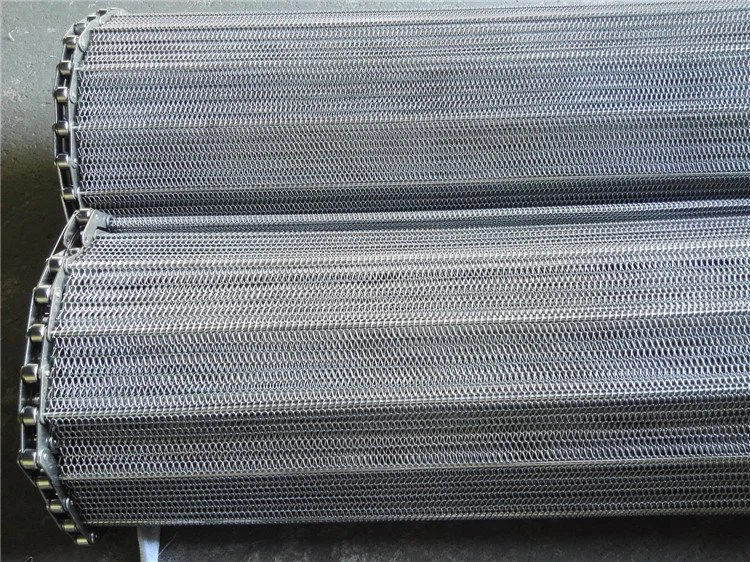
Hey there! As a supplier of Spiral Freezer Belts, I've seen my fair share of issues that customers run into. In this blog, I'm gonna walk you through how to troubleshoot some common problems with a Spiral Freezer Belt.
1. Belt Slippage
One of the most common problems you might face is belt slippage. This can be a real headache as it can disrupt the freezing process and lead to inconsistent results.
Possible Causes
- Insufficient Tension: If the belt isn't properly tensioned, it's likely to slip. Over time, belts can stretch, and the tension might loosen up.
- Dirty or Worn Pulley: A pulley that's dirty or worn out can reduce the friction between the belt and the pulley, causing slippage.
- Excessive Load: Putting too much product on the belt can overload it and cause it to slip.
Troubleshooting Steps
- Check and Adjust Tension: Most spiral freezer belts have a tensioning mechanism. You can use this to increase the tension. Make sure not to over - tighten it, though, as this can cause premature wear on the belt.
- Clean or Replace the Pulley: Use a suitable cleaning agent to clean the pulley. If it's severely worn, it's best to replace it. You can find high - quality Stainless Steel Mesh Belt pulleys that are durable and can provide better friction.
- Reduce the Load: Review your production process and make sure you're not overloading the belt. Adjust the speed of product loading if necessary.
2. Belt Tracking Issues
Another common problem is belt tracking. When the belt doesn't track properly, it can rub against the sides of the freezer, causing damage to the belt and the freezer itself.
Possible Causes
- Uneven Installation: If the belt wasn't installed correctly, it's likely to track poorly.
- Worn Guide Rails: Guide rails that are worn out can't keep the belt in place properly.
- Imbalanced Load: Placing the product unevenly on the belt can cause it to drift to one side.
Troubleshooting Steps
- Re - Check Installation: Ensure that the belt is centered and aligned correctly. You may need to loosen and re - position the belt according to the manufacturer's instructions.
- Inspect and Replace Guide Rails: Check the guide rails for signs of wear. If they're worn, replace them with new ones. Metal Wire Mesh Belt guide rails are a great option as they're sturdy and long - lasting.
- Even Out the Load: Train your operators to place the product evenly on the belt. You can also use conveyor systems that distribute the load more evenly.
3. Belt Breakage
Belt breakage is a serious issue that can bring your production to a halt. It's important to address this problem as soon as possible.
Possible Causes
- Excessive Wear: Over time, the belt can wear out due to continuous use, especially if it's operating in a harsh environment.
- Sharp Objects: If sharp objects get caught in the belt, they can cut through it and cause breakage.
- Incorrect Operation: Running the belt at too high a speed or with too much tension can also lead to breakage.
Troubleshooting Steps
- Replace the Belt: If the belt is broken, you'll need to replace it immediately. Make sure to choose a high - quality Mesh Conveor Belt that's suitable for your freezer's specifications.
- Inspect the Freezer for Sharp Objects: Check the freezer regularly for any sharp objects that could damage the belt. Remove them if found.
- Adjust Operating Parameters: Review the operating speed and tension of the belt. Make sure they're within the recommended range.
4. Belt Contamination
Belt contamination can affect the quality of the frozen products and even pose a health risk.

Possible Causes
- Food Residues: If food residues are left on the belt, they can attract bacteria and cause contamination.
- Lubricant Leakage: Leaking lubricants can get onto the belt and contaminate the products.
- Environmental Dust: Dust from the surrounding environment can settle on the belt.
Troubleshooting Steps
- Regular Cleaning: Implement a regular cleaning schedule for the belt. Use appropriate cleaning agents that are safe for food contact.
- Check for Lubricant Leaks: Inspect the lubrication system regularly. If there are any leaks, fix them immediately.
- Improve the Environment: Keep the area around the freezer clean and free of dust. You can use air filters or enclosures to reduce dust contamination.
5. Noise and Vibration
Excessive noise and vibration can be a sign of underlying problems with the Spiral Freezer Belt.
Possible Causes
- Loose Components: Loose bolts, nuts, or other components can cause noise and vibration.
- Worn Bearings: Bearings that are worn out can make the belt run unevenly and create noise.
- Misaligned Pulleys: If the pulleys aren't aligned correctly, it can cause the belt to vibrate.
Troubleshooting Steps
- Tighten Loose Components: Use a wrench to tighten any loose bolts or nuts. Make sure to check all the accessible components regularly.
- Replace Worn Bearings: If you suspect that the bearings are worn, replace them. This will ensure smooth operation of the belt.
- Realign the Pulleys: Use alignment tools to make sure the pulleys are properly aligned. This can significantly reduce noise and vibration.
Conclusion
Troubleshooting common problems with a Spiral Freezer Belt isn't always easy, but with a little knowledge and some basic maintenance, you can keep your belt running smoothly. If you're still facing issues or need more information on our Stainless Steel Mesh Belt, Metal Wire Mesh Belt, or Mesh Conveor Belt, don't hesitate to reach out. We're here to help you with all your Spiral Freezer Belt needs. Whether you're looking to purchase a new belt or need advice on maintenance, we're just a message away. Let's work together to ensure your freezing process is efficient and trouble - free.
References
- "Conveyor Belt Maintenance Guide" - Industry Handbook
- "Troubleshooting Common Freezer Issues" - Food Processing Magazine


