


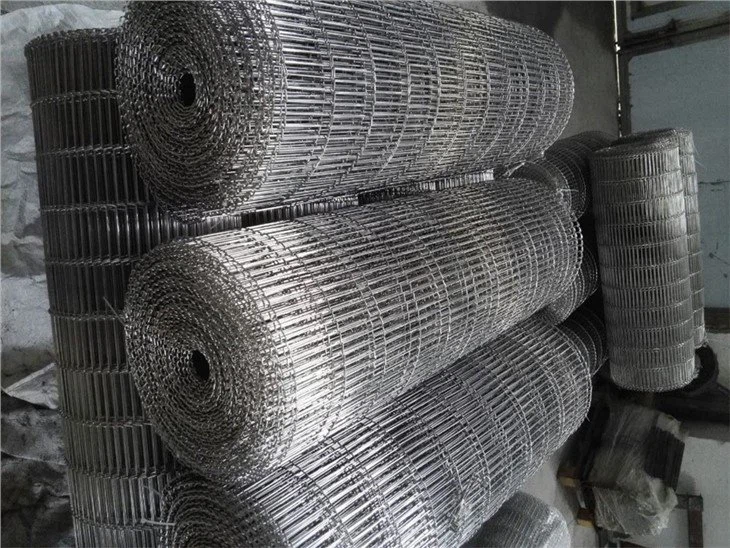
Hey there! As a food mesh belt supplier, I've seen my fair share of issues with these belts over the years. Food mesh belts are super important in the food industry, used in all sorts of processes like baking, freezing, and conveying. But like any piece of equipment, they can run into problems. In this blog, I'm gonna share some tips on how to troubleshoot a food mesh belt.
Visual Inspection
The first step in troubleshooting any food mesh belt is a good visual inspection. You'd be surprised how many issues can be spotted just by taking a close look. Start by checking for any obvious signs of damage, like broken wires, loose joints, or excessive wear. If you see any broken wires, it could be a sign of overloading or improper tension. Loose joints might mean the belt wasn't installed correctly or has been vibrating too much.
Excessive wear can happen for a few reasons. Maybe the belt is running against a rough surface, or it's been in use for a really long time. If you notice uneven wear, it could indicate a problem with the alignment of the belt. Make sure to check the entire length of the belt, including the edges, as these areas are often more prone to damage.
Check the Tension
Proper tension is crucial for the smooth operation of a food mesh belt. If the belt is too loose, it can slip, causing uneven movement and potentially damaging the product being conveyed. On the other hand, if it's too tight, it can put extra stress on the belt and the drive system, leading to premature wear and tear.
To check the tension, you can use a tension gauge. Most belts have a recommended tension range, so make sure to refer to the manufacturer's specifications. If the tension is off, you can adjust it using the tensioning mechanism on the belt conveyor. This might involve tightening or loosening bolts or using a tensioning screw.
Look for Contamination
Contamination is another common issue with food mesh belts. In the food industry, belts can come into contact with all sorts of substances, like food particles, grease, and cleaning chemicals. Over time, these contaminants can build up on the belt, affecting its performance and potentially causing hygiene issues.
If you notice any sticky or dirty spots on the belt, it's a sign of contamination. You can try cleaning the belt using a mild detergent and warm water. Make sure to follow the manufacturer's cleaning instructions to avoid damaging the belt. In some cases, you might need to use a specialized cleaning solution, especially if the contamination is stubborn.
Examine the Drive System
The drive system is what makes the food mesh belt move, so it's important to check it regularly. Look for any signs of wear or damage on the drive sprockets, pulleys, and chains. If the sprockets or pulleys are worn, they can cause the belt to slip or move unevenly.
Check the chain tension as well. A loose chain can cause the belt to stop or start suddenly, which can be dangerous. If you notice any issues with the drive system, it's best to have it repaired or replaced by a professional.

Check the Alignment
Proper alignment is essential for the smooth operation of a food mesh belt. If the belt is misaligned, it can cause uneven wear, excessive noise, and even damage to the belt and the conveyor frame. To check the alignment, you can use a straightedge or a laser alignment tool.
Look for any signs of the belt running off to one side or rubbing against the conveyor frame. If the belt is misaligned, you can adjust it using the alignment screws or guides on the conveyor. Make sure to make small adjustments and check the alignment after each adjustment.
Consider the Operating Environment
The operating environment can also have a big impact on the performance of a food mesh belt. For example, if the belt is operating in a high-temperature environment, it might be prone to stretching or warping. In this case, you might want to consider using a High Temperature Mesh Belt, which is designed to withstand high temperatures.
Similarly, if the belt is in a wet or corrosive environment, it might be at risk of rust or corrosion. A Metal Wire Mesh Belt made from stainless steel or other corrosion-resistant materials could be a better choice. And if you're using the belt in a freezer, a Spiral Freezer Belt might be more suitable, as it's designed to handle the low temperatures and the unique requirements of a spiral freezer.
Seek Professional Help
If you've tried all these troubleshooting steps and you're still having problems with your food mesh belt, it might be time to seek professional help. As a food mesh belt supplier, we have a team of experts who can diagnose and fix any issues you might be having. We can also provide you with advice on how to maintain your belt to prevent future problems.
If you're in the market for a new food mesh belt or need help with troubleshooting your existing one, don't hesitate to reach out. We're here to help you keep your food production processes running smoothly. Whether you need a custom solution or just some general advice, we've got you covered.
References
- "Food Mesh Belt Maintenance Guide", Industry Standard Publications
- "Troubleshooting Conveyor Systems", Conveyor Technology Journal
- Manufacturer's manuals for various food mesh belts


