


Selecting the appropriate drive system for a metal wire mesh belt is a crucial decision that can significantly impact the efficiency, performance, and longevity of your conveyor system. As a Metal Wire Mesh Belt supplier, I understand the importance of making the right choice. In this blog post, I will guide you through the key factors to consider when selecting a drive system for your metal wire mesh belt, ensuring that you achieve optimal results for your specific application.
Understanding the Basics of Metal Wire Mesh Belts
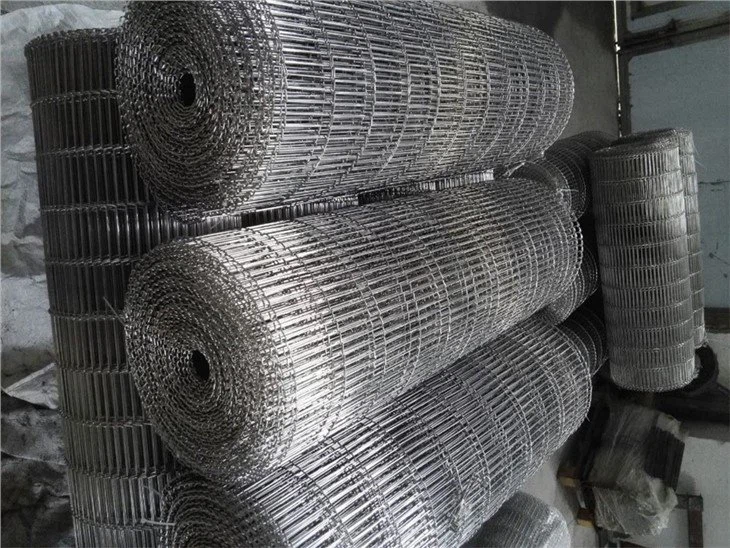
Before delving into the selection of a drive system, it's essential to have a clear understanding of metal wire mesh belts. These belts are made from various metals, such as stainless steel, carbon steel, and galvanized steel, and are used in a wide range of industries, including food processing, automotive, electronics, and pharmaceuticals. Metal wire mesh belts offer several advantages, including high strength, durability, heat resistance, and excellent ventilation properties. They are available in different configurations, such as flat top, modular, and spiral, to suit various applications.
You can find more information about Metal Wire Mesh Belts on our website: Metal Wire Mesh Belt.
Key Factors to Consider When Selecting a Drive System
1. Belt Speed and Load Capacity
The first step in selecting a drive system is to determine the required belt speed and load capacity. The belt speed is typically measured in feet per minute (FPM) or meters per minute (MPM) and depends on the specific application requirements. For example, in a high-speed assembly line, a faster belt speed may be required to meet production targets. On the other hand, in a food processing application, a slower belt speed may be necessary to ensure proper handling and processing of the products.
The load capacity of the belt refers to the maximum weight that the belt can carry without experiencing excessive wear or damage. It is important to consider both the static and dynamic loads when determining the load capacity. Static loads are the weight of the products and any additional equipment on the belt, while dynamic loads are the forces generated during acceleration, deceleration, and turning.
2. Drive Type
There are several types of drive systems available for metal wire mesh belts, including direct drive, chain drive, and belt drive. Each type has its own advantages and disadvantages, and the choice depends on factors such as the required torque, speed, and space limitations.
- Direct Drive: A direct drive system uses a motor directly connected to the drive pulley of the belt. This type of drive offers high efficiency, precise speed control, and low maintenance requirements. However, it may be more expensive than other drive types and may require a larger motor to achieve the desired torque.
- Chain Drive: A chain drive system uses a chain to transfer power from the motor to the drive pulley. This type of drive is suitable for applications with high torque requirements and can handle heavy loads. However, it may require regular lubrication and maintenance to prevent chain wear and elongation.
- Belt Drive: A belt drive system uses a belt to transfer power from the motor to the drive pulley. This type of drive is quiet, smooth, and efficient. It is also suitable for applications with variable speed requirements. However, it may have a lower torque capacity compared to chain drives and may require periodic belt tension adjustment.
3. Environment and Operating Conditions
The environment and operating conditions in which the metal wire mesh belt will be used are also important factors to consider when selecting a drive system. For example, in a harsh industrial environment with high temperatures, dust, and moisture, a drive system that is resistant to corrosion and heat may be required. In a food processing application, a drive system that meets strict hygiene standards and is easy to clean may be necessary.
Some drive systems are designed to operate in specific environments, such as explosion-proof drives for hazardous areas or washdown drives for wet environments. It is important to choose a drive system that is suitable for the specific environment and operating conditions to ensure reliable and safe operation.
4. Maintenance and Serviceability
Another important factor to consider is the maintenance and serviceability of the drive system. A drive system that is easy to maintain and service can reduce downtime and maintenance costs. Look for a drive system that has accessible components, such as motors, bearings, and belts, and that can be easily disassembled and reassembled for maintenance and repair.

It is also important to consider the availability of spare parts and the technical support provided by the drive system manufacturer. A reliable manufacturer should offer a comprehensive range of spare parts and provide prompt technical support to ensure that your drive system operates smoothly.
5. Cost
Cost is always a consideration when selecting a drive system. However, it is important to balance the initial cost of the drive system with its long-term performance and reliability. A cheaper drive system may save you money upfront, but it may require more frequent maintenance and replacement, resulting in higher long-term costs.
When comparing the costs of different drive systems, consider factors such as the purchase price, installation costs, energy consumption, and maintenance costs. Look for a drive system that offers the best value for your money in terms of performance, reliability, and cost.
Specialized Applications and Drive System Selection
Furnace Applications
In furnace applications, the metal wire mesh belt is exposed to high temperatures, which can affect the performance and durability of the drive system. For Furnace Mesh Belt applications, it is essential to choose a drive system that can withstand the high temperatures and provide reliable operation.
- High-Temperature Motors: Select motors that are specifically designed for high-temperature environments. These motors are typically made with heat-resistant materials and have special cooling mechanisms to prevent overheating.
- Heat-Resistant Components: Use drive components, such as chains, belts, and bearings, that are made from heat-resistant materials. These materials can withstand the high temperatures without losing their strength or integrity.
- Thermal Expansion Considerations: Take into account the thermal expansion of the metal wire mesh belt and the drive components. This may require the use of adjustable drive systems or expansion joints to accommodate the changes in length due to temperature variations.
Conveyor Applications
In conveyor applications, the drive system needs to provide smooth and consistent movement of the metal wire mesh belt to ensure efficient product handling. For Net Conveyor Belt applications, the following considerations are important:
- Speed Control: Choose a drive system that offers precise speed control to ensure that the belt moves at the desired speed. This is particularly important in applications where the products need to be processed or sorted at a specific rate.
- Acceleration and Deceleration: Consider the acceleration and deceleration requirements of the conveyor system. A drive system that can provide smooth acceleration and deceleration can reduce the stress on the belt and the products, improving their lifespan and quality.
- Synchronization: In applications where multiple conveyors need to be synchronized, a drive system that can provide accurate synchronization is essential. This may require the use of advanced control systems or sensors to ensure that the belts move in tandem.
Conclusion
Selecting the appropriate drive system for a metal wire mesh belt is a complex decision that requires careful consideration of several factors. By understanding the basics of metal wire mesh belts, considering the key factors such as belt speed, load capacity, drive type, environment, and cost, and taking into account the specific requirements of your application, you can make an informed decision and choose a drive system that will provide optimal performance, reliability, and longevity.
If you have any questions or need further assistance in selecting the right drive system for your metal wire mesh belt, please feel free to contact us. Our team of experts is always ready to help you find the best solution for your specific needs. We look forward to the opportunity to discuss your requirements and assist you in your procurement process.
References
- "Conveyor Belt Handbook" - A comprehensive guide to conveyor belt technology and applications.
- "Drive System Design for Industrial Applications" - A technical resource on the design and selection of drive systems.
- Industry standards and guidelines related to metal wire mesh belts and drive systems.


