


Hey there! I'm a supplier of Flat Flex Belts, and today I want to chat about how we can reduce the energy consumption of these belts. It's not just good for the environment; it can also save you a ton of money in the long run.
Understanding Flat Flex Belts
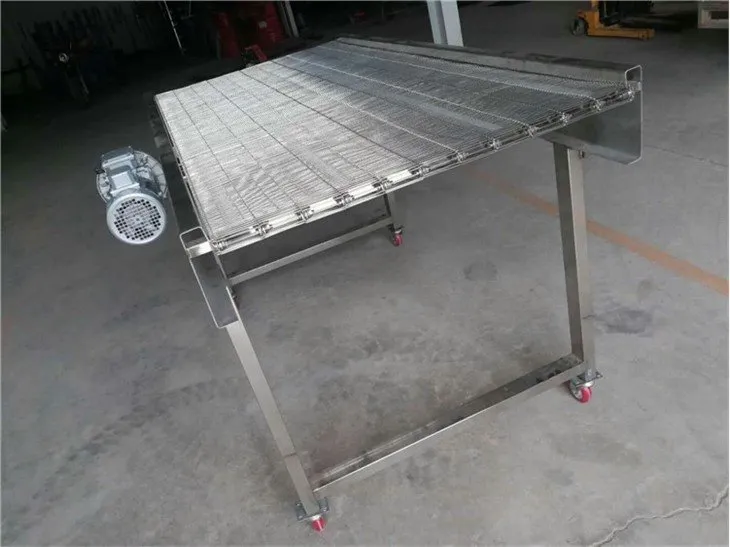
First off, let's quickly go over what Flat Flex Belts are. They're super versatile and are used in a bunch of industries, like food processing, packaging, and more. You can check out our Food Wire Belt and Stainless Steel Flat Flex Belt options on our website. These belts are made up of interlocking wires or links, which gives them flexibility and strength.
Why Reduce Energy Consumption?
Reducing energy consumption is a win - win. For one, it cuts down on your utility bills. In today's economy, every penny counts, right? Also, it's better for the planet. With climate change being such a big deal, any small step we can take to reduce our carbon footprint is a good one. And let's not forget that many customers are now more environmentally conscious and prefer to work with companies that are eco - friendly.

Tips to Reduce Energy Consumption
1. Proper Belt Selection
Picking the right Flat Flex Belt for your application is crucial. A belt that's too heavy or too wide for your needs will require more energy to move. For example, if you're using a belt in a light - duty food processing line, you don't need a heavy - duty belt. Look for belts with a lower weight per unit length. Our Flat Flex Belts come in a variety of sizes and weights, so you can choose the one that's just right for your operation.
2. Regular Maintenance
Just like a car needs regular tune - ups, Flat Flex Belts need proper maintenance. A dirty or worn - out belt will increase friction, which means more energy is needed to keep it moving. Make sure to clean the belt regularly to remove any debris. Also, check for any signs of wear and tear, like broken links or frayed wires. Replace any damaged parts as soon as possible. This not only reduces energy consumption but also extends the life of the belt.
3. Optimize Belt Tension
Having the right belt tension is key. If the belt is too loose, it can slip, which wastes energy. On the other hand, if it's too tight, it puts extra strain on the motor and other components. Use a tension gauge to measure the tension and adjust it according to the manufacturer's recommendations. This simple step can make a big difference in energy efficiency.
4. Upgrade to Energy - Efficient Components
If your belt system is old, consider upgrading some of the components. For example, replacing an old motor with a more energy - efficient one can save a significant amount of energy. Newer motors are designed to use less power while still providing the same level of performance. Also, look into using low - friction bearings and pulleys. These can reduce the amount of energy needed to move the belt.
5. Control the Speed
Running the belt at the right speed is important. If the belt is running too fast when it doesn't need to, it's using more energy than necessary. Analyze your production process to determine the optimal speed for your belt. You can use speed controllers to adjust the speed as needed. This way, you're only using the energy you actually need.
6. Insulate the Belt System
In some cases, insulating the belt system can help reduce energy consumption. If the belt is operating in a cold environment, heat loss can be a problem. Insulating the conveyor and the belt can help retain heat, which means the motor doesn't have to work as hard to keep the belt moving.
Case Studies
Let's take a look at a couple of real - world examples. A food processing company was using a Flat Flex Belt in their packaging line. They were experiencing high energy costs. After analyzing their system, they realized that the belt was too wide for their needs. They switched to a narrower belt, and within a few months, they saw a 20% reduction in energy consumption.
Another example is a manufacturing plant that upgraded their old motor to a more energy - efficient one. They also optimized the belt tension and cleaned the belt regularly. As a result, they were able to cut their energy costs by 15%.
Conclusion
Reducing the energy consumption of a Flat Flex Belt is not only possible but also beneficial for your business and the environment. By following these tips, you can save money, increase the lifespan of your belt, and do your part for the planet.
If you're interested in learning more about our Flat Flex Belts or need help with energy - saving solutions, don't hesitate to reach out. We're here to help you find the best belt for your needs and make your operation more energy - efficient. Let's work together to create a more sustainable future!
References
- "Belt Conveyor Handbook" by Conveyor Equipment Manufacturers Association
- "Energy Efficiency in Industrial Conveyor Systems" by the Department of Energy


