


Hey there! As a supplier of mesh belts, I've seen and dealt with all sorts of issues related to these essential industrial components. One of the most common problems that customers face is mesh belt corrosion. It can really mess up the performance and lifespan of the belt, leading to frequent replacements and extra costs. In this blog, I'll share some practical tips on how to prevent a mesh belt from corroding.
Understanding the Causes of Mesh Belt Corrosion
Before we dive into the prevention methods, it's important to know what causes corrosion in the first place. Corrosion occurs when the metal in the mesh belt reacts with its environment. Some common factors contributing to corrosion include exposure to moisture, chemicals, and high temperatures.
In a wet environment, the metal starts to rust due to a chemical reaction with water and oxygen. This is especially true for iron-based mesh belts. Chemicals, such as acids and alkalis, can also eat away at the metal, causing it to corrode. High temperatures can accelerate these chemical reactions, making the corrosion process even faster.
Choosing the Right Material
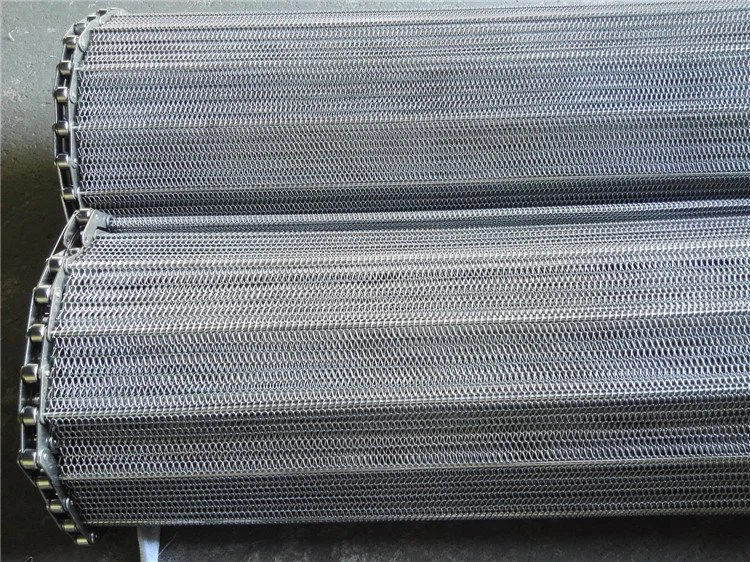
The first step in preventing corrosion is to choose the right material for your mesh belt. Different materials have different levels of corrosion resistance. For example, stainless steel is a popular choice for mesh belts because it contains chromium, which forms a thin, protective oxide layer on the surface of the metal. This layer acts as a barrier, preventing further corrosion.
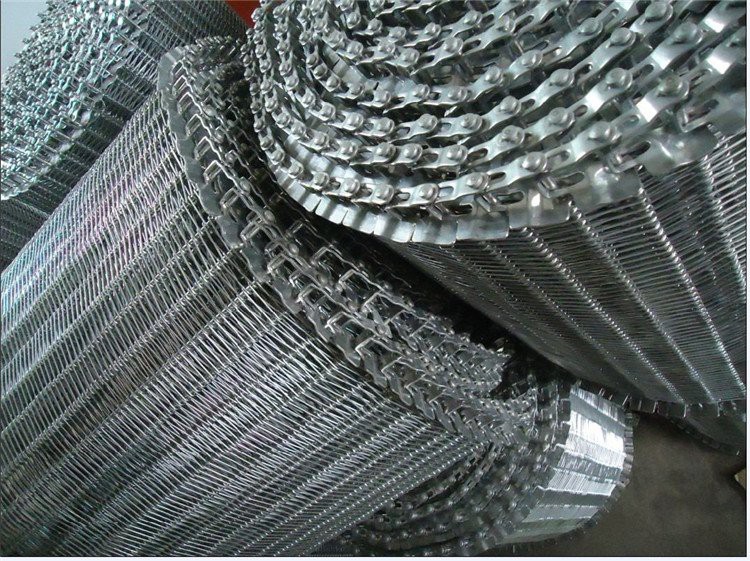
We offer a variety of Metal Wire Mesh Belts made from high-quality stainless steel. These belts are resistant to corrosion in many environments, including those with mild chemicals and moisture. If you need a mesh belt for a more extreme environment, such as one with high acidity or alkalinity, we also have specialized materials that can handle these conditions.
Surface Treatment
Another way to prevent corrosion is through surface treatment. There are several surface treatment methods available, each with its own advantages.
One common method is galvanizing. Galvanizing involves coating the mesh belt with a layer of zinc. Zinc is more reactive than the base metal, so it corrodes first, protecting the underlying metal. This is known as sacrificial protection. Galvanized mesh belts are commonly used in outdoor applications or in environments with moderate moisture.
Another option is powder coating. Powder coating applies a dry powder to the surface of the mesh belt and then bakes it to form a durable, protective layer. Powder coating not only provides corrosion resistance but also gives the belt a smooth, attractive finish. It can be customized to match the aesthetic requirements of your application.
Proper Installation and Maintenance
Proper installation and maintenance are crucial for preventing mesh belt corrosion. When installing the mesh belt, make sure it is properly aligned and tensioned. A misaligned or over-tensioned belt can cause stress concentrations, which can lead to corrosion.
Regular cleaning is also essential. Remove any dirt, debris, or chemical residues from the surface of the belt. Use a mild detergent and a soft brush to clean the belt. Avoid using abrasive cleaners or scrubbers, as they can damage the protective coating on the belt.
Inspect the mesh belt regularly for signs of corrosion. Look for rust spots, pitting, or any other signs of damage. If you notice any problems, take immediate action to address them. This may involve cleaning the belt more thoroughly, applying a protective coating, or replacing the belt if the damage is severe.
Environmental Control
Controlling the environment around the mesh belt can also help prevent corrosion. If possible, reduce the humidity in the area where the belt is used. High humidity can accelerate the corrosion process, so using dehumidifiers or improving ventilation can be beneficial.
Avoid exposing the mesh belt to chemicals whenever possible. If the belt does come into contact with chemicals, rinse it off immediately with clean water. If the environment contains corrosive gases, consider using a ventilation system to remove these gases from the area.
Custom Solutions for Specific Applications
We understand that different industries have different requirements when it comes to mesh belts. That's why we offer custom solutions for specific applications. For example, if you're in the food industry, you may need a Spiral Food Conveyor Belt that is made from food-grade materials and meets strict hygiene standards. We can design and manufacture a mesh belt that is not only corrosion-resistant but also suitable for food processing.
If you're in the mining or heavy industry, you may need a Conveyor Mesh Belt that can withstand high loads and harsh environments. We can use high-strength materials and special surface treatments to ensure the belt's durability and corrosion resistance.
Conclusion
Preventing mesh belt corrosion is all about taking a proactive approach. By choosing the right material, applying surface treatments, installing and maintaining the belt properly, and controlling the environment, you can significantly extend the lifespan of your mesh belt and reduce the need for frequent replacements.
If you're looking for a reliable mesh belt supplier, look no further. We have the expertise and experience to provide you with high-quality mesh belts that are resistant to corrosion. Whether you need a custom solution or a standard product, we're here to help. Contact us today to discuss your requirements and let's find the perfect mesh belt for your application!
References
- ASTM International. (2023). Standard Guide for Corrosion Testing and Evaluation of Metals.
- Fontana, M. G. (1986). Corrosion Engineering. McGraw-Hill.
- Davis, J. R. (2000). Corrosion Basics: An Introduction. ASM International.


