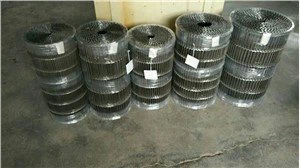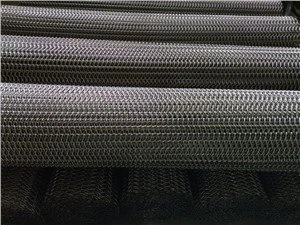

Hey there! As a supplier of Food Wire Mesh Belts, I've seen firsthand how crucial it is to ensure proper alignment during installation. A misaligned belt can lead to a whole host of problems, from reduced efficiency to premature wear and tear. In this blog post, I'll share some tips and tricks on how to ensure the alignment of a Food Wire Mesh Belt during installation.
Understanding the Basics of Belt Alignment
Before we dive into the installation process, it's important to understand the basics of belt alignment. There are two main types of alignment: lateral and angular. Lateral alignment refers to the position of the belt relative to the rollers or pulleys, while angular alignment refers to the angle of the belt as it moves through the system.
Proper alignment is essential for the smooth operation of the belt and the equipment it's used in. A misaligned belt can cause excessive wear on the belt and the rollers, leading to premature failure. It can also cause the belt to run off the rollers, which can be dangerous and cause damage to the equipment.
Pre-Installation Checks
Before you start installing the Food Wire Mesh Belt, it's important to perform a few pre-installation checks to ensure that everything is in good working order. Here are some things to check:
- Rollers and Pulleys: Make sure the rollers and pulleys are clean and free of debris. Check for any signs of wear or damage, such as cracks or dents. If you notice any issues, replace the rollers or pulleys before installing the belt.
- Frame and Structure: Inspect the frame and structure of the equipment to make sure it's stable and level. Any unevenness or instability can cause the belt to misalign during operation.
- Belt Tension: Check the tension of the belt before installation. The belt should be tight enough to prevent slipping, but not so tight that it causes excessive wear on the rollers or pulleys.
Installation Process
Once you've completed the pre-installation checks, it's time to start installing the Food Wire Mesh Belt. Here are the steps to follow:


- Position the Belt: Place the belt on the rollers or pulleys, making sure it's centered and aligned with the equipment. Use a straightedge or a laser alignment tool to ensure that the belt is straight.
- Adjust the Tension: Use a tensioning device to adjust the tension of the belt. The tension should be adjusted so that the belt is tight enough to prevent slipping, but not so tight that it causes excessive wear on the rollers or pulleys.
- Check the Alignment: Use a straightedge or a laser alignment tool to check the alignment of the belt. Make sure the belt is centered and aligned with the equipment. If you notice any misalignment, adjust the position of the rollers or pulleys as needed.
- Secure the Belt: Once the belt is properly aligned and tensioned, secure it in place using the appropriate fasteners. Make sure the fasteners are tightened securely to prevent the belt from slipping.
Tips for Ensuring Proper Alignment
Here are some additional tips for ensuring proper alignment of the Food Wire Mesh Belt during installation:
- Use a Laser Alignment Tool: A laser alignment tool can help you ensure that the belt is straight and properly aligned. This tool emits a laser beam that can be used to check the alignment of the belt and the rollers or pulleys.
- Check the Belt Regularly: Once the belt is installed, it's important to check it regularly for signs of misalignment or wear. If you notice any issues, make the necessary adjustments as soon as possible.
- Train Your Employees: Make sure your employees are trained on how to properly install and maintain the Food Wire Mesh Belt. This can help prevent misalignment and other issues from occurring.
Common Alignment Issues and Solutions
Even with proper installation and maintenance, alignment issues can still occur. Here are some common alignment issues and solutions:
- Belt Running Off the Rollers: If the belt is running off the rollers, it could be due to a misaligned roller or pulley. Check the alignment of the rollers and pulleys and make the necessary adjustments.
- Belt Slipping: If the belt is slipping, it could be due to insufficient tension or a worn belt. Check the tension of the belt and replace it if necessary.
- Belt Wearing Unevenly: If the belt is wearing unevenly, it could be due to a misaligned roller or pulley. Check the alignment of the rollers and pulleys and make the necessary adjustments.
Conclusion
Ensuring the alignment of a Food Wire Mesh Belt during installation is essential for the smooth operation of the belt and the equipment it's used in. By following the tips and tricks outlined in this blog post, you can help prevent misalignment and other issues from occurring. If you have any questions or need further assistance, please don't hesitate to [contact us for a purchase discussion].
References
- Manufacturer's installation and maintenance guides
- Industry best practices for belt alignment