
What is the Tensile Strength of a Furnace Mesh Belt?
As a supplier of furnace mesh belts, I often encounter inquiries from clients about the tensile strength of these belts. Tensile strength is a crucial property that determines the performance and durability of a furnace mesh belt in various industrial applications. In this blog post, I will delve into the concept of tensile strength, its significance in furnace mesh belts, and how it affects the overall functionality of these belts.
Understanding Tensile Strength
Tensile strength refers to the maximum amount of tensile (pulling) stress that a material can withstand before it breaks or fails. In the context of furnace mesh belts, tensile strength is a measure of the belt's ability to resist stretching and tearing under the influence of external forces. It is typically expressed in units of force per unit area, such as pounds per square inch (psi) or megapascals (MPa).
The tensile strength of a furnace mesh belt is determined by several factors, including the material composition, belt design, and manufacturing process. Different materials have different inherent tensile strengths, and the choice of material can significantly impact the belt's performance. For example, stainless steel is a popular choice for furnace mesh belts due to its high tensile strength, corrosion resistance, and heat resistance.
Significance of Tensile Strength in Furnace Mesh Belts
The tensile strength of a furnace mesh belt is of utmost importance in industrial applications where the belt is subjected to high loads and stresses. In a furnace environment, the belt is often required to transport heavy loads at high temperatures, and a belt with insufficient tensile strength may break or fail, leading to production downtime and costly repairs.
A high tensile strength ensures that the furnace mesh belt can withstand the forces exerted on it during operation, preventing premature failure and ensuring reliable performance. It also allows the belt to maintain its shape and integrity under extreme conditions, such as high temperatures and rapid temperature changes.
Factors Affecting Tensile Strength
Several factors can affect the tensile strength of a furnace mesh belt. These include:
- Material Composition: The type of material used in the belt construction plays a significant role in determining its tensile strength. As mentioned earlier, stainless steel is a common choice for furnace mesh belts due to its high strength and durability. Other materials, such as carbon steel and alloy steel, may also be used depending on the specific application requirements.
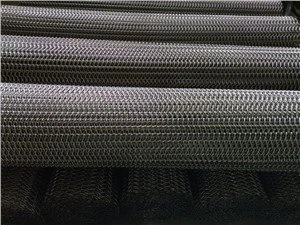
- Belt Design: The design of the furnace mesh belt can also impact its tensile strength. Factors such as the mesh pattern, wire diameter, and belt thickness can all affect the belt's ability to withstand tensile forces. For example, a belt with a denser mesh pattern may have a higher tensile strength than a belt with a more open mesh pattern.
- Manufacturing Process: The manufacturing process used to produce the furnace mesh belt can also influence its tensile strength. Proper manufacturing techniques, such as heat treatment and cold working, can improve the belt's mechanical properties and increase its tensile strength.
Measuring Tensile Strength
The tensile strength of a furnace mesh belt is typically measured using a tensile testing machine. This machine applies a gradually increasing tensile force to the belt until it breaks, and the maximum force applied is recorded as the tensile strength. The test is usually conducted in accordance with international standards, such as ASTM E8 or ISO 6892-1.
It is important to note that the tensile strength of a furnace mesh belt can vary depending on the testing conditions, such as the temperature, strain rate, and specimen geometry. Therefore, it is essential to specify the testing conditions when reporting the tensile strength of a belt.


Applications of Furnace Mesh Belts
Furnace mesh belts are widely used in various industrial applications, including heat treatment, annealing, drying, and sintering. In these applications, the belt is used to transport materials through the furnace at a controlled speed, allowing for uniform heating and cooling.
The high tensile strength of furnace mesh belts makes them suitable for use in high-temperature environments where other types of belts may fail. They can withstand the extreme temperatures and mechanical stresses associated with furnace operations, ensuring reliable and efficient performance.
Choosing the Right Furnace Mesh Belt
When selecting a furnace mesh belt, it is important to consider the specific application requirements, including the temperature range, load capacity, and belt speed. The tensile strength of the belt should be sufficient to withstand the forces exerted on it during operation, and the material should be compatible with the furnace environment.
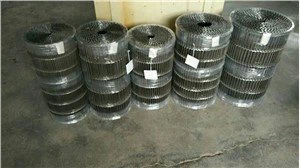
At our company, we offer a wide range of furnace mesh belts, including Ladder Mesh Belt, Stainless Steel Mesh Belt, and Net Conveyor Belt. Our belts are made from high-quality materials and are designed to meet the most demanding industrial applications.
Conclusion
In conclusion, the tensile strength of a furnace mesh belt is a critical property that determines its performance and durability in industrial applications. A high tensile strength ensures that the belt can withstand the forces exerted on it during operation, preventing premature failure and ensuring reliable performance. When choosing a furnace mesh belt, it is important to consider the specific application requirements and select a belt with the appropriate tensile strength and material composition.
If you are in the market for a high-quality furnace mesh belt, please do not hesitate to contact us. Our team of experts will be happy to assist you in selecting the right belt for your application and provide you with a competitive quote.
References
- ASTM E8 - Standard Test Methods for Tension Testing of Metallic Materials
- ISO 6892-1 - Metallic materials - Tensile testing - Part 1: Method of test at room temperature