


Hey there! As a supplier of Flat Flex Food Belts, I've seen firsthand how important it is to keep these belts in top - notch condition. One of the key aspects of maintaining a Flat Flex Food Belt is adjusting its tension correctly. In this blog, I'll walk you through the process of how to adjust the tension of a flat flex food belt.
Why Tension Adjustment Matters
Before we dive into the how - to, let's talk about why tension adjustment is crucial. A flat flex food belt that's either too loose or too tight can cause a whole bunch of problems. If the belt is too loose, it might slip on the pulleys, leading to inconsistent movement of the food products on the belt. This can result in uneven processing, such as uneven baking or cooking. On the other hand, if the belt is too tight, it can put excessive stress on the belt itself, the pulleys, and other components of the conveyor system. This can lead to premature wear and tear, increased energy consumption, and even mechanical failures.
Tools You'll Need
To adjust the tension of a flat flex food belt, you'll need a few basic tools. You'll need a wrench or a socket set to loosen and tighten the bolts that hold the tensioning mechanism. A measuring tape or a ruler can be handy to measure the belt's deflection, which we'll talk about later. And it's always a good idea to have a safety lockout device to make sure the conveyor is turned off and can't start accidentally while you're working on it.

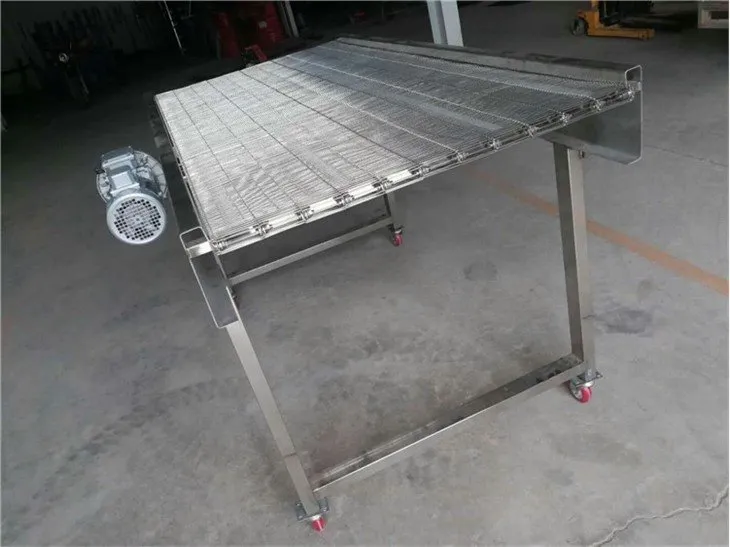
Step 1: Shut Down the Conveyor
Safety first! Before you start adjusting the tension of the flat flex food belt, make sure the conveyor is completely shut down. Use the safety lockout device to lock the power switch so that no one can turn it on while you're working. This will prevent any accidents and keep you safe.
Step 2: Locate the Tensioning Mechanism
Most flat flex food belt conveyors have a tensioning mechanism that allows you to adjust the belt's tension. This mechanism is usually located at one end of the conveyor, near the drive or the idler pulley. It might be a simple bolt - and - nut system or a more complex spring - loaded mechanism. Check your conveyor's manual to find out exactly where the tensioning mechanism is located and how it works.
Step 3: Loosen the Tensioning Bolts
Once you've located the tensioning mechanism, use your wrench or socket set to loosen the bolts that hold it in place. Don't loosen them all the way; just loosen them enough so that you can make adjustments. If you're using a spring - loaded tensioning mechanism, you might need to compress the spring slightly to relieve some of the tension on the bolts.
Step 4: Measure the Belt's Deflection
To determine if the belt has the right tension, you can measure its deflection. Deflection is the amount the belt sags between two points. To measure the deflection, place the measuring tape or ruler across the belt at a point midway between the two pulleys. Apply a small amount of pressure to the belt in the middle of the span and measure the distance the belt moves. The ideal deflection for a flat flex food belt is usually around 1 - 2% of the belt's span length. For example, if the span between the two pulleys is 100 inches, the ideal deflection would be between 1 and 2 inches.
Step 5: Adjust the Tension
Based on the belt's deflection measurement, you can now adjust the tension. If the belt has too much deflection (it's too loose), you'll need to tighten the tensioning mechanism. Turn the bolts clockwise to increase the tension. As you tighten the bolts, keep an eye on the belt's deflection and stop when it reaches the ideal range.
If the belt has too little deflection (it's too tight), loosen the tensioning mechanism by turning the bolts counter - clockwise. Again, monitor the belt's deflection as you make the adjustments and stop when it's within the ideal range.
Step 6: Check the Belt's Alignment
While you're adjusting the tension, it's also a good idea to check the belt's alignment. A misaligned belt can cause uneven wear and tear and can also affect the belt's tension. Make sure the belt is centered on the pulleys and that there are no signs of rubbing or scraping against the conveyor frame or other components. If the belt is misaligned, you might need to adjust the position of the pulleys or the belt guides.
Step 7: Tighten the Tensioning Bolts
Once you've adjusted the tension and checked the belt's alignment, use your wrench or socket set to tighten the tensioning bolts. Make sure they're tightened securely, but don't over - tighten them, as this can damage the bolts or the tensioning mechanism.
Step 8: Test the Conveyor
After you've tightened the tensioning bolts, remove the safety lockout device and turn on the conveyor. Let it run for a few minutes and observe the belt's movement. Make sure the belt is running smoothly, without any slipping or excessive noise. Check the belt's deflection again to make sure it's still within the ideal range. If everything looks good, you're done!
Tips for Maintaining Proper Belt Tension
Adjusting the tension of a flat flex food belt isn't a one - time thing. You'll need to check and adjust the tension regularly to make sure the belt stays in good condition. Here are some tips to help you maintain proper belt tension:
- Inspect the Belt Regularly: Check the belt for signs of wear, such as fraying, cracking, or stretching. If you notice any problems, replace the belt as soon as possible.
- Keep the Conveyor Clean: Dirt, debris, and food particles can build up on the belt and the pulleys, which can affect the belt's tension. Clean the conveyor regularly to keep it in good working condition.
- Follow the Manufacturer's Recommendations: Every flat flex food belt is different, so it's important to follow the manufacturer's recommendations for tension adjustment and maintenance. Check your conveyor's manual for specific instructions.
Conclusion
Adjusting the tension of a flat flex food belt is an important part of maintaining a conveyor system. By following the steps outlined in this blog, you can ensure that your belt is running smoothly and efficiently, which will help you avoid costly downtime and repairs. If you have any questions or need more information about flat flex food belts, you can visit our website at Flat Flex Belts, Flat Flex Food Belt, or Stainless Steel Flat Flex Belt.
If you're in the market for a new flat flex food belt or need to replace an existing one, we'd love to hear from you. Contact us to start a procurement discussion, and we'll work with you to find the best solution for your needs.
References
- Conveyor Belt Handbook, Manufacturer's Manual
- Industrial Conveyor Systems: Design, Operation, and Maintenance, Various Industry Publications


