


How many idler rollers are needed for a spiral conveyor belt?
Spiral conveyor belts are a crucial component in many industrial and food processing applications. As a reliable Spiral Conveyor Belt supplier, I often encounter the question of how many idler rollers are needed for a spiral conveyor belt. This is a significant query as the proper number of idler rollers can greatly impact the performance, efficiency, and lifespan of the conveyor system.
Understanding the Function of Idler Rollers in a Spiral Conveyor Belt
Before delving into the determination of the number of idler rollers, it's essential to understand their function. Idler rollers play several vital roles in a spiral conveyor belt system. Firstly, they support the weight of the conveyor belt and the material being transported. By distributing the load evenly, they prevent excessive stress on the belt, which can lead to premature wear and tear. Secondly, idler rollers help to maintain the alignment of the conveyor belt. They ensure that the belt runs in a straight and stable manner, reducing the risk of belt misalignment that could cause jams, spills, or even damage to the belt.
Factors Affecting the Number of Idler Rollers
Several factors influence the number of idler rollers required for a spiral conveyor belt.
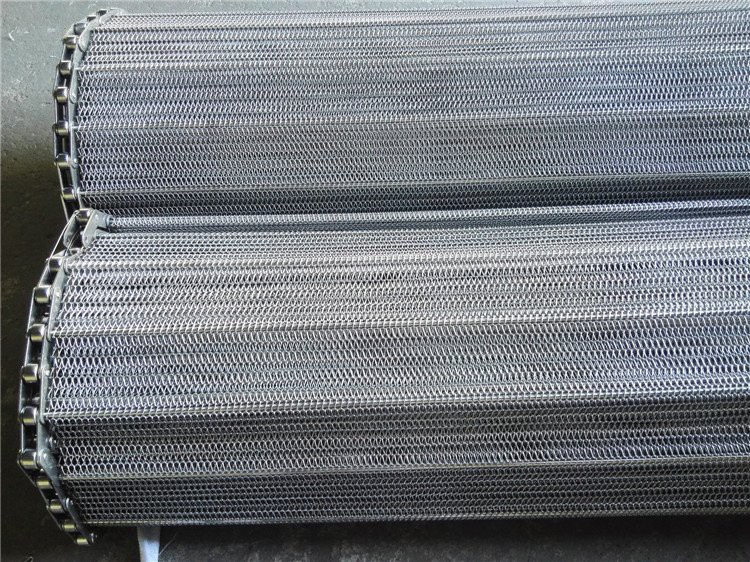

- Belt Load: The weight and volume of the material being transported on the conveyor belt are key determinants. A belt carrying heavy or bulky materials will require more idler rollers to support the increased load. For example, in a food processing plant where large quantities of frozen food are being conveyed, the belt will bear a significant weight, and thus, a higher number of idler rollers will be necessary.
- Belt Speed: Higher belt speeds generally necessitate more idler rollers. At faster speeds, the belt experiences greater forces and vibrations. Additional idler rollers help to dampen these vibrations and maintain the stability of the belt, ensuring smooth and efficient operation.
- Conveyor Length and Diameter: The length and diameter of the spiral conveyor also play a role. Longer conveyors require more idler rollers to support the belt over the extended distance. Similarly, a conveyor with a larger diameter may need more idler rollers to properly guide and support the belt as it moves along the spiral path.
- Operating Environment: Harsh operating environments, such as those with high temperatures, moisture, or abrasive materials, can increase the wear on the conveyor belt and idler rollers. In such cases, more idler rollers may be needed to ensure continuous operation and to minimize the impact of the environment on the belt.
Calculating the Number of Idler Rollers
Calculating the exact number of idler rollers is not straightforward, as it involves a combination of engineering principles and practical considerations. However, a general approach can be used.
- Initial Assessment: Start by determining the total length of the spiral conveyor belt. Measure the distance the belt travels along the spiral path.
- Load Analysis: Estimate the maximum load the belt will carry. This includes the weight of the material being transported and the weight of the belt itself. Consider the type of material, its density, and the volume being conveyed per unit of time.
- Roller Spacing: Based on the factors mentioned above, determine the appropriate spacing between the idler rollers. For light - duty applications, the spacing may be larger, while for heavy - duty applications, the spacing should be reduced. A common rule of thumb is to start with a roller spacing of around 1 to 1.5 meters for moderate - load applications, but this can vary significantly.
- Calculation: Divide the total length of the conveyor belt by the roller spacing to get an approximate number of idler rollers. However, this is only a starting point. You may need to adjust the number based on specific requirements, such as belt speed and operating environment.
Case Studies
Let's consider two case studies to illustrate the importance of determining the right number of idler rollers.
Case Study 1: Food Processing Plant
In a food processing plant, a spiral conveyor belt is used to transport freshly baked bread from the oven to the packaging area. The conveyor has a relatively short length, but the bread is still warm and has some moisture, which can make the belt more prone to slippage. The belt speed is moderate, and the load is relatively light. Based on the analysis, a roller spacing of 1.2 meters was chosen, and a total of 15 idler rollers were installed. This setup has ensured smooth and stable operation of the conveyor belt, with minimal wear and no issues of belt misalignment.
Case Study 2: Industrial Manufacturing
In an industrial manufacturing facility, a spiral conveyor belt is used to transport heavy metal parts. The conveyor is long and has a large diameter. The belt speed is high, and the load is extremely heavy. After careful analysis, a roller spacing of 0.8 meters was determined, and a total of 35 idler rollers were installed. This configuration has allowed the conveyor to handle the heavy load efficiently, with reduced vibrations and extended belt life.
Our Spiral Conveyor Belt Products
As a leading supplier of spiral conveyor belts, we offer a wide range of products to meet different industrial needs. Our Spiral Food Conveyor Belt is designed specifically for the food industry. It is made from high - quality materials that are food - safe and resistant to corrosion. The belt is easy to clean and maintain, ensuring compliance with strict food safety standards.
Our Spiral Freezer Belt is ideal for freezing applications. It can withstand extremely low temperatures without losing its flexibility or strength. The belt is designed to provide efficient heat transfer, ensuring quick and uniform freezing of the products.
We also offer the Food Mesh Belt, which is suitable for a variety of food processing applications. The mesh design allows for excellent air circulation, making it ideal for processes such as baking, drying, and cooling.
Conclusion
Determining the number of idler rollers for a spiral conveyor belt is a complex but essential task. It requires a careful consideration of various factors, including belt load, speed, length, diameter, and operating environment. By choosing the right number of idler rollers, you can ensure the smooth and efficient operation of your conveyor system, reduce maintenance costs, and extend the lifespan of your conveyor belt.
If you are in need of a spiral conveyor belt or have questions about the number of idler rollers for your specific application, we are here to help. Our team of experts can provide you with professional advice and customized solutions. Contact us today to start a discussion about your conveyor belt needs.
References
- Conveyor Belt Handbook, published by an industrial engineering association.
- Research papers on conveyor belt technology from leading academic journals in the field of mechanical engineering.


