


Hey there! As a supplier of Spiral Freezer Belts, I've been getting a lot of questions lately about how our belts perform in high - altitude areas. So, I thought I'd write this blog to share some insights and experiences.

First off, let's talk about what makes high - altitude areas different. The most obvious factor is the lower air pressure. At higher altitudes, the air is thinner, which means there's less oxygen and lower atmospheric pressure. This can have a few implications for the performance of a Spiral Freezer Belt.
One of the main concerns is the cooling efficiency. In a normal environment, the Spiral Freezer Belt works by circulating cold air around the products being frozen. The cold air absorbs the heat from the products, and the belt moves them through the freezing chamber. But in high - altitude areas, the thinner air doesn't conduct heat as well as it does at lower altitudes. This means that the cooling process might take a bit longer, and you might need to adjust the settings of your freezer to achieve the same level of freezing.
For example, you might need to lower the temperature of the freezer or increase the speed of the belt to ensure that the products are frozen properly. However, these adjustments need to be made carefully, as over - cooling or over - speeding the belt can also cause problems. Over - cooling can lead to ice formation on the belt, which can damage the belt and affect its performance. Over - speeding the belt can cause the products to be jostled around too much, leading to uneven freezing and potential product damage.
Another aspect to consider is the mechanical performance of the belt. The lower air pressure can also affect the lubrication and wear of the belt components. In a normal environment, the air pressure helps to keep the lubricants in place and reduces friction between the moving parts. At high altitudes, the lower air pressure can cause the lubricants to evaporate more quickly, leading to increased friction and wear. This means that you might need to use special lubricants that are designed for high - altitude conditions or increase the frequency of lubrication.
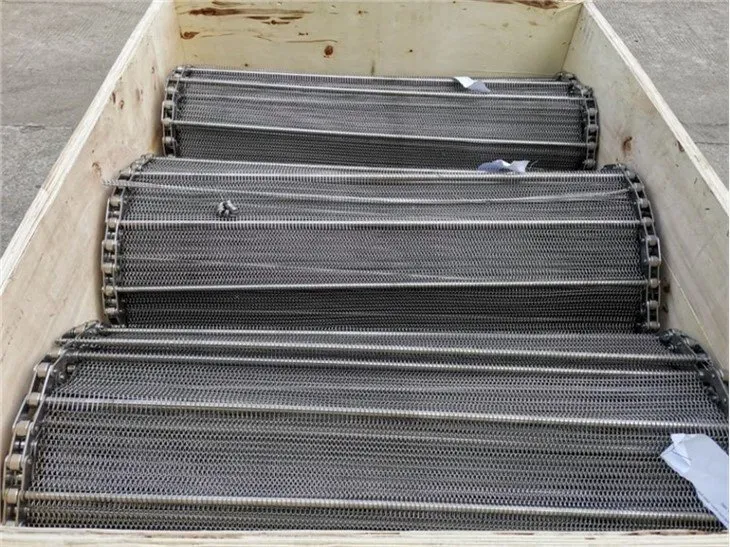
The type of Spiral Freezer Belt you choose can also make a big difference in high - altitude areas. Our company offers a variety of belts, including Net Conveyor Belt, Conveyor Mesh Belt, and Mesh Conveor Belt. Each type of belt has its own advantages and disadvantages, and the right choice depends on your specific needs and the conditions in your high - altitude area.
The Net Conveyor Belt is known for its high strength and durability. It's made of a network of wires that are woven together, which provides excellent support for the products being frozen. This type of belt is ideal for heavy - duty applications and can withstand the rigors of high - altitude operations.
The Conveyor Mesh Belt, on the other hand, has a more open structure, which allows for better air circulation. This can be beneficial in high - altitude areas where the thinner air makes it more difficult to circulate cold air. The open mesh design also makes it easier to clean the belt, which is important for maintaining hygiene in a food - processing environment.
The Mesh Conveor Belt is a versatile option that combines the features of both the Net Conveyor Belt and the Conveyor Mesh Belt. It offers good strength and support, as well as excellent air circulation. This type of belt is a popular choice for many high - altitude applications.
In addition to the type of belt, the material of the belt is also crucial. We use high - quality materials in our belts, such as stainless steel and food - grade plastics. These materials are resistant to corrosion, wear, and extreme temperatures, which are important factors in high - altitude areas where the environment can be harsh.
We also offer custom - made Spiral Freezer Belts to meet the specific requirements of our customers in high - altitude areas. If you have unique needs, such as a specific size, shape, or performance requirement, our team of experts can work with you to design and manufacture a belt that meets your exact specifications.
Now, let's talk about maintenance. Regular maintenance is essential for ensuring the optimal performance of the Spiral Freezer Belt in high - altitude areas. This includes cleaning the belt regularly to remove any dirt, debris, or ice that might accumulate on it. You should also inspect the belt for any signs of wear or damage, such as cracks, tears, or loose wires. If you notice any problems, it's important to address them immediately to prevent further damage and ensure the safety of your operation.
Lubrication is also a key part of maintenance. As mentioned earlier, the lower air pressure at high altitudes can cause the lubricants to evaporate more quickly. So, you need to make sure that the belt is properly lubricated at all times. Follow the manufacturer's recommendations for lubrication intervals and use the right type of lubricant.
If you're considering using a Spiral Freezer Belt in a high - altitude area, I'd be more than happy to help. Our team has years of experience in the industry and can provide you with the best advice and solutions for your specific situation. Whether you need help choosing the right belt, adjusting the settings of your freezer, or maintaining your belt, we're here to support you.
If you're interested in learning more about our Spiral Freezer Belts or discussing your requirements, please don't hesitate to get in touch. We're always ready to have a chat and help you find the perfect solution for your high - altitude freezing needs.
References:
- Industry reports on freezer technology in high - altitude environments
- Internal research and development data on Spiral Freezer Belt performance
- Customer feedback and case studies from high - altitude areas


