


Hey there! As a supplier of Flat Flex Wire Belt, I've seen firsthand how the bending radius can have a huge impact on both the installation and operation of these belts. So, let's dive into it and explore how this seemingly small factor can make a big difference.
First off, what exactly is the bending radius? Simply put, it's the minimum radius at which a flat flex wire belt can be bent without causing damage. This is a crucial specification because if the belt is bent beyond its recommended bending radius, it can lead to a whole host of problems.
Impact on Installation
When it comes to installing a Flat Flex Wire Belt, the bending radius plays a vital role. If you're working with a conveyor system that has tight turns or small pulleys, you need to make sure the belt you choose has a bending radius that can accommodate those requirements.
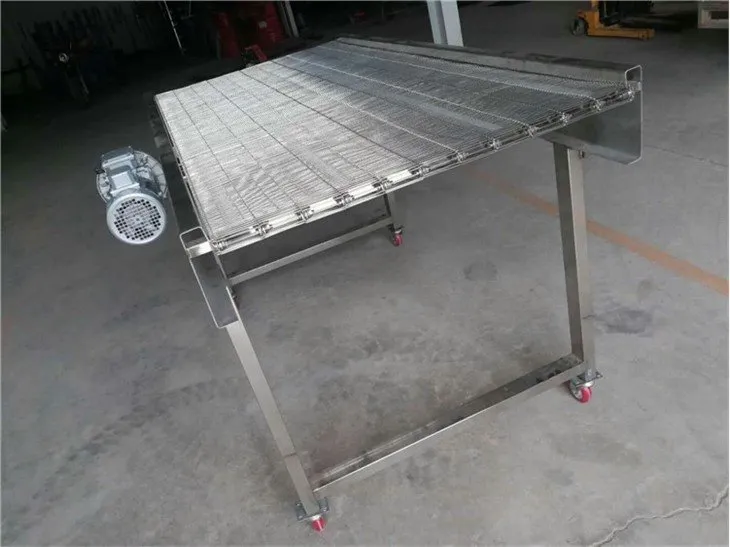

Let's say you're installing a conveyor in a food processing plant. You might have limited space and need to use smaller pulleys to fit the system into the area. In this case, a belt with a smaller bending radius would be ideal. A Flat Flex Wire Belt with a tight bending radius can easily navigate those tight turns, making the installation process smoother and more efficient.
On the other hand, if you try to force a belt with a larger bending radius onto a system with small pulleys, you're in for some trouble. The belt might not fit properly, leading to misalignment issues. Misaligned belts can cause uneven wear and tear, which not only shortens the lifespan of the belt but can also lead to more frequent breakdowns. This means more downtime for your production line, which is never a good thing.
Another aspect of installation is the ease of handling. Belts with a smaller bending radius are generally more flexible and easier to manipulate during the installation process. You can bend them around pulleys and guides without much effort, which saves time and reduces the risk of injury to the installation team.
Impact on Operation
Once the belt is installed, the bending radius continues to have an impact on its operation. A belt with an appropriate bending radius will run smoothly around the pulleys, ensuring consistent and reliable performance. This is especially important in industries where precision is key, such as the food industry.
In a Food Conveyor Wire Belt system, the belt needs to move food products gently and precisely from one point to another. If the bending radius is too large, the belt might not follow the intended path around the pulleys, causing the food products to shift or fall off the belt. This can lead to product loss, contamination, and a decrease in overall efficiency.
On the other hand, a belt with a suitable bending radius will maintain its shape and tension as it moves around the pulleys. This helps to keep the food products in place and ensures a smooth and efficient transfer. Additionally, a well - functioning belt reduces the risk of jams and blockages, which can disrupt the production process.
The bending radius also affects the wear and tear of the belt during operation. When a belt is bent beyond its recommended radius, the wires in the belt can experience excessive stress. This stress can cause the wires to break or fray over time, leading to belt failure. A belt with the correct bending radius distributes the stress more evenly across the belt, reducing the likelihood of premature wear and tear.
Choosing the Right Bending Radius
So, how do you choose the right bending radius for your Flat Flex Wire Belt? Well, it depends on several factors. First, you need to consider the design of your conveyor system. Look at the size and shape of the pulleys, as well as the layout of the system. If you have tight turns or small pulleys, you'll need a belt with a smaller bending radius.
You also need to think about the type of products you'll be conveying. If you're transporting heavy or bulky items, you might need a belt with a larger bending radius to handle the additional weight. However, if you're dealing with delicate or small products, a belt with a smaller bending radius can provide more precise movement.
Material is another important consideration. Stainless Steel Flat Flex Belt is a popular choice because of its durability and resistance to corrosion. Different grades of stainless steel can have different bending characteristics, so make sure to choose a material that can meet your bending radius requirements.
Conclusion
In conclusion, the bending radius of a Flat Flex Wire Belt is a critical factor that affects both the installation and operation of the belt. Choosing the right bending radius can make the installation process easier, improve the performance of the conveyor system, and extend the lifespan of the belt.
If you're in the market for a Flat Flex Wire Belt and need help choosing the right bending radius for your specific application, don't hesitate to reach out. We're here to assist you in finding the perfect belt for your needs. Whether you're in the food industry, manufacturing, or any other sector that uses conveyor systems, we have the expertise and products to meet your requirements. Contact us today to start the conversation and take your conveyor system to the next level.
References
- "Conveyor Belt Handbook" by Conveyor Belt Manufacturers Association
- Industry research papers on flat flex wire belt performance and bending characteristics


