


As a supplier of Ladder Mesh Belts, I've witnessed firsthand the critical role that edge treatment plays in determining the performance of these essential industrial components. In this blog, I'll delve into the various aspects of edge treatment and how it affects the functionality, durability, and overall efficiency of Ladder Mesh Belts.
Understanding Ladder Mesh Belts
Ladder Mesh Belts are widely used in a variety of industries, including food processing, automotive, and manufacturing. They consist of a series of parallel wires connected by cross rods, forming a ladder-like structure. This design allows for excellent ventilation, drainage, and material handling capabilities, making them ideal for applications such as conveying, drying, cooling, and heat treatment.

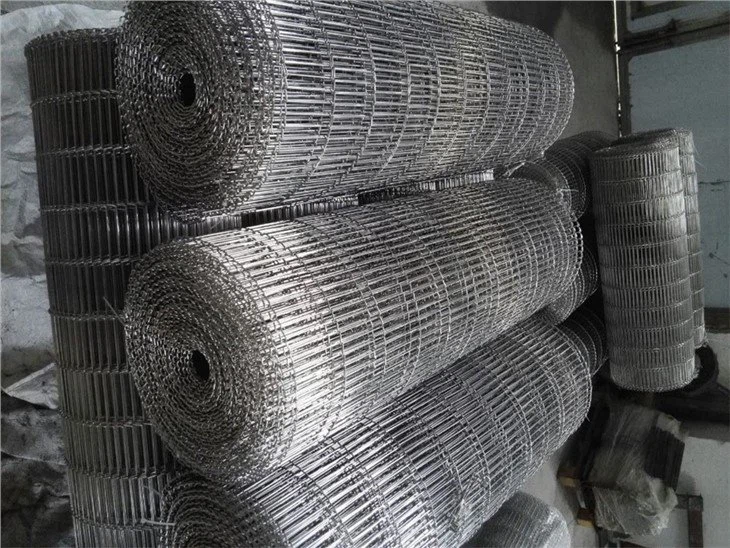
The Importance of Edge Treatment
The edges of a Ladder Mesh Belt are particularly vulnerable to wear, damage, and fraying. Without proper edge treatment, the belt's performance can be significantly compromised, leading to premature failure, reduced productivity, and increased maintenance costs. Edge treatment serves several important functions:
- Enhanced Durability: By reinforcing the edges of the belt, edge treatment helps to prevent wire breakage, unraveling, and fraying. This extends the lifespan of the belt and reduces the need for frequent replacements.
- Improved Safety: Sharp or jagged edges can pose a safety hazard to operators and equipment. Edge treatment smooths and rounds the edges of the belt, reducing the risk of cuts, abrasions, and other injuries.
- Better Conveyance: Properly treated edges ensure that the belt runs smoothly on the conveyor system, minimizing friction and reducing the likelihood of belt tracking issues. This results in more efficient material handling and improved productivity.
- Resistance to Corrosion: In corrosive environments, untreated edges can be prone to rust and corrosion, which can weaken the belt and compromise its performance. Edge treatment can include protective coatings or materials that enhance the belt's resistance to corrosion.
Types of Edge Treatment
There are several different types of edge treatment available for Ladder Mesh Belts, each with its own advantages and applications. Some of the most common types include:
- Crimped Edges: Crimping involves bending the outer wires of the belt to form a secure edge. This type of edge treatment is relatively simple and cost-effective, and it provides good resistance to fraying and unraveling.
- Welded Edges: Welding is a more permanent and durable form of edge treatment. It involves joining the outer wires of the belt together using a welding process, such as spot welding or continuous welding. Welded edges provide excellent strength and stability, and they are particularly suitable for heavy-duty applications.
- Wrapped Edges: Wrapping involves covering the edges of the belt with a protective material, such as a wire mesh or a plastic strip. This type of edge treatment provides additional protection against wear and corrosion, and it can also help to reduce noise and vibration.
- Coated Edges: Coating the edges of the belt with a protective material, such as a polymer or a ceramic, can enhance the belt's resistance to corrosion, abrasion, and heat. Coated edges are commonly used in applications where the belt is exposed to harsh chemicals or high temperatures.
Factors to Consider When Choosing Edge Treatment
When choosing the appropriate edge treatment for a Ladder Mesh Belt, several factors need to be considered, including:
- Application Requirements: The specific requirements of the application, such as the type of material being conveyed, the operating temperature, and the level of abrasion, will determine the most suitable edge treatment.
- Belt Material: Different belt materials may require different types of edge treatment. For example, stainless steel belts may be more suitable for welded edges, while carbon steel belts may benefit from crimped or wrapped edges.
- Budget: The cost of edge treatment can vary depending on the type of treatment and the complexity of the process. It's important to consider the budget when choosing the appropriate edge treatment for the belt.
- Maintenance Requirements: Some types of edge treatment may require more maintenance than others. For example, coated edges may need to be periodically inspected and re-coated to maintain their effectiveness.
Impact of Edge Treatment on Performance
The choice of edge treatment can have a significant impact on the performance of a Ladder Mesh Belt. Here are some of the key ways in which edge treatment affects performance:
- Wear Resistance: Properly treated edges can significantly improve the wear resistance of the belt, reducing the rate of wire breakage and extending the lifespan of the belt. This is particularly important in applications where the belt is exposed to high levels of abrasion, such as in the mining or recycling industries.
- Corrosion Resistance: In corrosive environments, edge treatment can help to protect the belt from rust and corrosion, ensuring its long-term performance. Coated or wrapped edges are often used in these applications to provide an additional layer of protection.
- Belt Tracking: Edge treatment can also affect the tracking performance of the belt. Smooth and rounded edges reduce friction and ensure that the belt runs straight on the conveyor system, minimizing the risk of belt misalignment and damage.
- Conveyance Efficiency: By reducing friction and improving belt tracking, edge treatment can enhance the conveyance efficiency of the belt. This results in smoother material handling, reduced downtime, and increased productivity.
Case Studies
To illustrate the importance of edge treatment, let's look at a few case studies:
- Food Processing Industry: In a food processing plant, a Ladder Mesh Belt was experiencing frequent wire breakage and fraying at the edges, leading to product contamination and increased maintenance costs. By switching to a belt with welded edges, the plant was able to significantly reduce the rate of wire breakage and improve the overall cleanliness of the production environment.
- Automotive Industry: An automotive manufacturer was using a Ladder Mesh Belt in a high-temperature furnace application. The untreated edges of the belt were prone to oxidation and corrosion, which was causing the belt to fail prematurely. By applying a ceramic coating to the edges of the belt, the manufacturer was able to extend the lifespan of the belt and reduce the frequency of replacements.
- Manufacturing Industry: A manufacturing plant was experiencing belt tracking issues with a Ladder Mesh Belt due to sharp and jagged edges. By rounding and smoothing the edges of the belt, the plant was able to improve the tracking performance of the belt and reduce the risk of belt damage.
Conclusion
In conclusion, the edge treatment of a Ladder Mesh Belt plays a crucial role in determining its performance, durability, and overall efficiency. By choosing the appropriate edge treatment for the specific application, you can ensure that the belt operates smoothly, safely, and reliably for an extended period of time. Whether you're in the food processing, automotive, or manufacturing industry, investing in high-quality edge treatment for your Ladder Mesh Belts is a wise decision that can result in significant cost savings and improved productivity.
If you're interested in learning more about our Ladder Mesh Belts and the various edge treatment options available, please don't hesitate to contact us. We'd be happy to discuss your specific requirements and help you choose the right belt for your application.
References
- Smith, J. (2018). The Importance of Edge Treatment in Ladder Mesh Belts. Industrial Conveyor Belt Journal, 25(3), 45-52.
- Johnson, R. (2019). Edge Treatment Options for Ladder Mesh Belts. Conveyor Technology Magazine, 32(2), 67-74.
- Brown, S. (2020). Impact of Edge Treatment on the Performance of Ladder Mesh Belts. Journal of Manufacturing Engineering, 45(4), 89-96.
For more information on related products, you can visit the following links:
If you're considering purchasing Ladder Mesh Belts or have any questions about our products and edge treatment options, feel free to reach out to us for a detailed discussion and procurement negotiation. We're here to assist you in finding the best solutions for your industrial needs.


