


A conveyor mesh belt is a crucial component in various industrial processes, offering a reliable and efficient way to transport materials. As a leading Conveyor Mesh Belt supplier, I am excited to delve into the intricacies of how these belts work and their significance in different industries.
Basic Structure of a Conveyor Mesh Belt
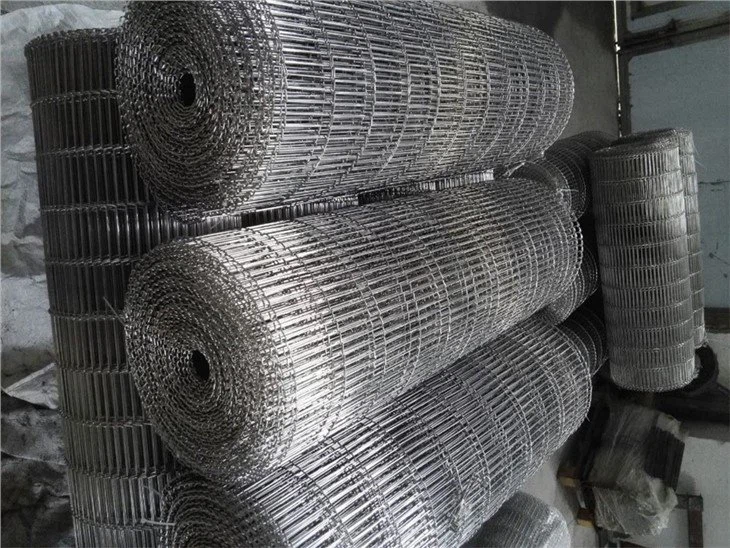
A conveyor mesh belt consists of a series of interconnected wires or strands that form a continuous, flexible surface. The mesh pattern can vary widely, from simple square or rectangular shapes to more complex designs tailored to specific applications. The wires are typically made of high - quality metals such as stainless steel, carbon steel, or other alloys, chosen for their strength, durability, and resistance to corrosion.
The construction of the mesh belt starts with the individual wires. These wires are precisely woven or welded together to create a stable structure. Woven mesh belts are formed by interlacing the wires in an over - under pattern, similar to traditional textile weaving. This method provides flexibility and allows for a wide range of mesh sizes and configurations. Welded mesh belts, on the other hand, are created by welding the wires at their intersections. Welded belts offer greater strength and stability, making them suitable for heavy - duty applications.
How a Conveyor Mesh Belt Operates
The operation of a conveyor mesh belt is based on a simple yet effective principle. The belt is mounted on a series of rollers or pulleys, which are driven by a motor. As the motor rotates the rollers, the belt moves in a continuous loop, transporting materials from one point to another.
The movement of the belt is smooth and consistent, thanks to the design of the rollers and the tensioning system. The rollers are carefully aligned to ensure that the belt runs straight and does not deviate from its path. Tensioning devices are used to maintain the proper tension in the belt, preventing it from slipping or sagging.
When materials are placed on the conveyor mesh belt, they are carried along by the movement of the belt. The open mesh design allows for air circulation, drainage, and the passage of light, which is beneficial in many applications. For example, in food processing, the open mesh allows for proper ventilation and drying of products, while in the automotive industry, it can be used to transport parts during the manufacturing process.
Applications of Conveyor Mesh Belts
Conveyor mesh belts are used in a wide range of industries due to their versatility and functionality.
Food Industry
In the food industry, conveyor mesh belts play a vital role in various processes such as baking, frying, cooling, and freezing. Food Mesh Belt is specifically designed to meet the strict hygiene and safety standards of the food industry. The open mesh design allows for even heat distribution during baking and frying, ensuring that the food is cooked evenly. It also facilitates the drainage of excess oil or water, resulting in a healthier and more appealing product.
Automotive Industry
The automotive industry uses conveyor mesh belts for the transportation of parts during the manufacturing process. From the assembly line to the painting booth, these belts ensure a smooth and efficient flow of materials. They can handle heavy loads and are resistant to the harsh chemicals and high temperatures often encountered in automotive manufacturing.
Electronics Industry
In the electronics industry, conveyor mesh belts are used for the handling and processing of delicate electronic components. The precise movement of the belt ensures that the components are transported without damage. The open mesh design also allows for the dissipation of heat generated during the manufacturing process, preventing overheating of the components.
Recycling Industry
Conveyor mesh belts are essential in the recycling industry for sorting and transporting recyclable materials. They can handle a wide variety of materials, including plastics, metals, and paper. The open mesh design allows for the separation of different materials based on size and density, making the recycling process more efficient.

Advantages of Using Conveyor Mesh Belts
There are several advantages to using conveyor mesh belts in industrial processes.
High Efficiency
Conveyor mesh belts can transport materials continuously and at a high speed, significantly increasing the productivity of the production line. They can handle large volumes of materials, reducing the need for manual labor and minimizing the risk of human error.
Durability
As mentioned earlier, conveyor mesh belts are made of high - quality metals, which makes them highly durable. They can withstand harsh environments, including high temperatures, corrosive chemicals, and heavy loads. This durability ensures a long service life and reduces the need for frequent replacements.
Versatility
The wide range of mesh patterns and configurations available allows conveyor mesh belts to be customized to meet the specific needs of different industries. Whether it's a fine mesh for delicate electronic components or a heavy - duty mesh for large - scale industrial applications, there is a conveyor mesh belt suitable for every task.
Easy Maintenance
Conveyor mesh belts are relatively easy to maintain. The open mesh design allows for easy cleaning, and any damaged wires can be easily replaced. Regular maintenance, such as lubrication of the rollers and inspection of the tensioning system, can ensure the smooth operation of the belt.
Factors Affecting the Performance of Conveyor Mesh Belts
Several factors can affect the performance of conveyor mesh belts.
Material Selection
The choice of material for the mesh belt is crucial. Different materials have different properties, such as strength, corrosion resistance, and heat resistance. For example, stainless steel is a popular choice for food and pharmaceutical applications due to its hygienic properties and resistance to corrosion, while carbon steel may be more suitable for heavy - duty industrial applications.
Mesh Design
The mesh design can also impact the performance of the belt. A finer mesh may be required for applications where small particles need to be retained, while a coarser mesh may be more suitable for applications where air circulation or drainage is important.
Operating Conditions
The operating conditions, such as temperature, humidity, and the presence of chemicals, can affect the performance of the conveyor mesh belt. High temperatures can cause the belt to expand or lose its strength, while corrosive chemicals can damage the metal wires. It is important to choose a belt that is suitable for the specific operating conditions.
Conclusion
In conclusion, conveyor mesh belts are an essential part of many industrial processes. Their ability to transport materials efficiently, their durability, and their versatility make them a popular choice in a wide range of industries. As a Conveyor Mesh Belt supplier, we are committed to providing high - quality belts that meet the specific needs of our customers.
If you are in the market for a reliable conveyor mesh belt, whether it's a Metal Wire Mesh Belt for heavy - duty applications or a Net Conveyor Belt for more delicate tasks, we invite you to contact us for a consultation. Our team of experts can help you select the right belt for your application and ensure that it is installed and maintained properly.
References
- "Industrial Conveyor Systems Handbook" by John J. McKee
- "Materials Science and Engineering: An Introduction" by William D. Callister Jr. and David G. Rethwisch
- Industry reports on conveyor belt technology and applications


