


In the vast and dynamic realm of industrial applications, the question of whether metal wire mesh belts can be effectively used in mining industries is both relevant and significant. As a prominent supplier of Metal Wire Mesh Belt, I have witnessed firsthand the diverse capabilities and opportunities these belts present in the mining sector. In this blog, we will explore the technical aspects, advantages, and potential challenges of using metal wire mesh belts in mining operations.
Technical Attributes of Metal Wire Mesh Belts
Metal wire mesh belts are engineered from high - quality metals, such as stainless steel, carbon steel, or specialized alloys. The wire meshes are precision - woven or welded together, creating a flexible yet durable structure. The unique grid - like pattern of the mesh offers several favorable properties that are well - suited to the harsh conditions of mining.
One of the key features of metal wire mesh belts is their high strength - to - weight ratio. Mining environments involve heavy loads and constant movement, and the ability of the belt to withstand significant stress without excessive mass is crucial. The open - mesh design allows for excellent ventilation, which is beneficial when transporting materials that may generate heat or require cooling. Additionally, this design facilitates the drainage of liquids, a vital characteristic when dealing with wet or muddy ores.

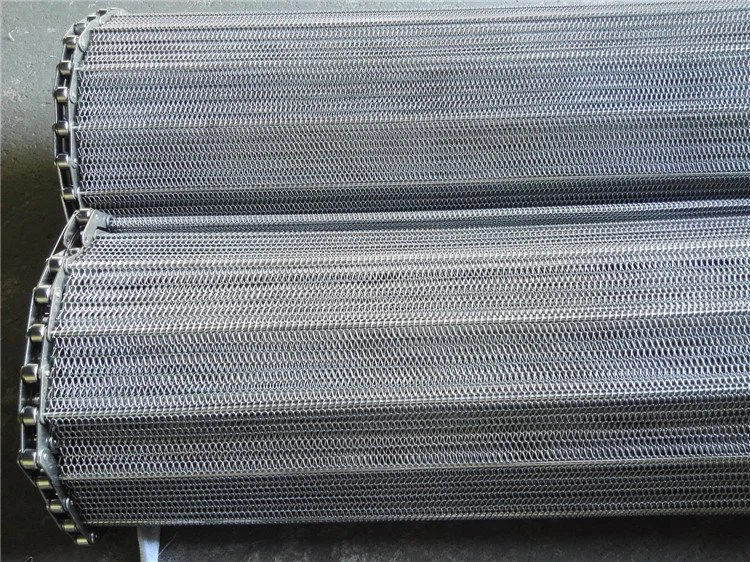
The belts can be customized in terms of mesh size, wire diameter, and belt width to meet the specific needs of different mining applications. For example, a finer mesh size may be used for separating small particles during the beneficiation process, while a coarser mesh could be employed for the rough handling of large rocks and ores.
Applications in Mining
Material Transport
One of the most common uses of metal wire mesh belts in mining is for material transport. In underground mines, these belts can be installed on conveyor systems to move ore from the excavation site to the processing area. The robust construction of the belts ensures reliable operation in the face of abrasive materials, sharp rocks, and high - volume loads.
Surface mines also benefit from the use of metal wire mesh belts. They can be integrated into large - scale conveyor systems that span vast distances, efficiently transporting ore from the pit to the stockpile or the processing plant. The open - mesh structure allows any loose debris or dust to fall through, reducing the accumulation of material on the belt and minimizing the risk of blockages.
Screening and Classification
Metal wire mesh belts are also employed in the screening and classification processes in mining. They can be used as vibrating screens to separate particles of different sizes. The adjustable mesh size enables precise control over the separation process, ensuring that only particles of the desired size pass through the mesh. This is particularly important in the production of high - grade ores, where accurate classification is essential for maximizing the value of the extracted materials.
Washing and Dewatering
In the washing and dewatering stages of ore processing, metal wire mesh belts play a vital role. The open - mesh design allows water to drain freely, facilitating the removal of impurities and excess moisture from the ore. The belts can be used in continuous washing systems, where the ore is sprayed with water while being transported on the belt, and the water and contaminants are quickly drained away through the mesh.
Advantages in Mining Operations
Durability and Longevity
Mining is a demanding industry, and equipment must be able to withstand extreme conditions. Metal wire mesh belts are highly resistant to wear, abrasion, and corrosion, making them a long - lasting solution for mining applications. The use of high - quality metals and advanced manufacturing techniques ensures that the belts can operate for extended periods without significant degradation, reducing the need for frequent replacements and minimizing downtime.
Cost - Effectiveness
Although the initial investment in metal wire mesh belts may be relatively high, their long - term cost - effectiveness is undeniable. The reduced maintenance requirements and longer lifespan of the belts result in lower overall operating costs. Additionally, the efficient material handling and processing capabilities of the belts can increase productivity, leading to higher yields and greater profitability for mining operations.
Flexibility and Adaptability
As mentioned earlier, metal wire mesh belts can be customized to meet the specific requirements of different mining operations. Whether it is the size of the mesh, the width of the belt, or the type of metal used, the flexibility of these belts allows them to be tailored to fit a wide range of applications. This adaptability makes them an ideal choice for mines with diverse processing needs.
Potential Challenges and Solutions
Wear and Tear
Despite their durability, metal wire mesh belts are still subject to wear and tear, especially when exposed to highly abrasive materials. To mitigate this issue, regular inspection and maintenance are essential. This includes checking the condition of the wires, tightening any loose connections, and replacing worn - out sections of the belt in a timely manner. Additionally, the use of wear - resistant coatings or alloys can further extend the lifespan of the belts.
Clogging
In some cases, the mesh openings may become clogged with fine particles or sticky materials. This can reduce the efficiency of the belt and may even cause blockages in the conveyor system. To prevent clogging, appropriate cleaning mechanisms can be installed, such as vibrating devices or spray nozzles. These devices can help to dislodge any trapped particles and keep the mesh clear.
Static Electricity
In dusty mining environments, static electricity can be a problem, as it can pose a fire or explosion hazard. Metal wire mesh belts can be designed with anti - static properties to dissipate static charges safely. This can be achieved through the use of conductive materials or by applying anti - static coatings to the belts.
Other Related Mesh Belts in Mining
In addition to Metal Wire Mesh Belt, other types of mesh belts also find applications in the mining industry. For instance, Furnace Mesh Belt can be used in the heat treatment processes of certain ores. These belts are designed to withstand high temperatures and maintain their structural integrity, ensuring the efficient and reliable operation of the furnace.
Mesh Conveor Belt is another variant that is widely used in mining for conveying various materials. Their design allows for smooth and continuous movement of the ore, while the mesh structure provides the necessary drainage and ventilation.
Conclusion and Call to Action
In conclusion, metal wire mesh belts offer a multitude of benefits for the mining industry, including durability, cost - effectiveness, and flexibility. Their ability to handle heavy loads, withstand harsh conditions, and perform a variety of functions makes them an indispensable component of modern mining operations.
If you are involved in the mining industry and are looking for a reliable and high - performance solution for your material handling, screening, or processing needs, we encourage you to consider our Metal Wire Mesh Belt. Our team of experts is ready to assist you in selecting the right type of belt and providing customized solutions based on your specific requirements. Contact us today to discuss your project and explore how our metal wire mesh belts can enhance the efficiency and productivity of your mining operations.
References
- ASM Handbook Volume 1: Properties and Selection: Irons, Steels, and High - Performance Alloys
- Conveyor Equipment Manufacturers Association (CEMA) Handbook


