


Can food wire mesh belt be used in a low - temperature environment?
As a supplier of food wire mesh belts, I often receive inquiries from customers regarding the suitability of our products in various environments. One question that comes up quite frequently is whether food wire mesh belts can be used in a low - temperature environment. In this blog post, I will delve into this topic in detail to provide you with a comprehensive understanding.
Understanding Food Wire Mesh Belts
Before we discuss their performance in low - temperature environments, let's first understand what food wire mesh belts are. Food wire mesh belts are specifically designed for use in the food industry. They are made from high - quality metals such as stainless steel, which is known for its corrosion resistance, durability, and compliance with food safety standards. These belts are used in a wide range of food processing applications, including baking, frying, freezing, and conveying.
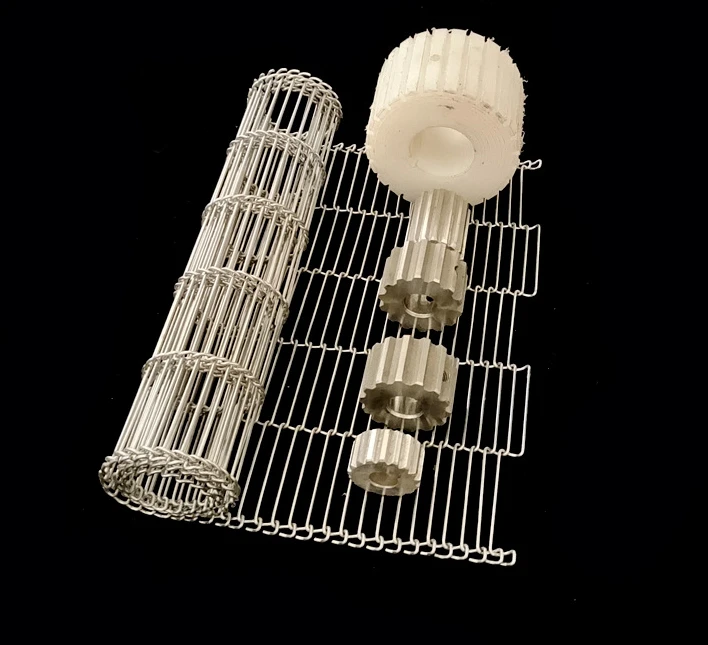
There are different types of food wire mesh belts available, each with its own unique characteristics and applications. For example, Wire Belt is a common type that offers good flexibility and strength. Flat Flex Food Belts are known for their smooth surface and excellent flatness, making them suitable for delicate food products. Flat Wire Mesh Belts provide high open area and good drainage, which is beneficial in many food processing operations.
Factors Affecting the Use of Food Wire Mesh Belts in Low - Temperature Environments
Several factors need to be considered when determining whether a food wire mesh belt can be used in a low - temperature environment.
Material Properties
The material of the wire mesh belt plays a crucial role. Stainless steel, which is commonly used in food wire mesh belts, has good low - temperature performance. Austenitic stainless steels, such as 304 and 316, maintain their ductility and toughness at low temperatures. This means that they are less likely to become brittle and break under stress in cold conditions. However, it's important to note that the specific grade of stainless steel and its composition can affect its low - temperature properties. For example, some stainless steels may have a lower transition temperature, below which their toughness decreases significantly.
Design and Construction
The design and construction of the wire mesh belt also impact its performance in low - temperature environments. A well - designed belt with proper jointing and weaving techniques can better withstand the thermal stresses associated with temperature changes. For instance, a belt with a tight weave may be more resistant to deformation in cold conditions compared to a loosely woven one. Additionally, the type of joint used in the belt can affect its integrity at low temperatures. A strong and reliable joint is essential to prevent the belt from coming apart under the influence of cold and mechanical stress.
Lubrication and Maintenance
In low - temperature environments, the lubrication of the wire mesh belt becomes even more critical. Cold temperatures can cause lubricants to thicken or lose their effectiveness, which may lead to increased friction and wear. Therefore, it's necessary to use lubricants specifically designed for low - temperature applications. Regular maintenance, including cleaning and inspection, is also important to ensure that the belt remains in good condition. Any signs of damage or wear should be addressed promptly to prevent further problems.
Advantages of Using Food Wire Mesh Belts in Low - Temperature Environments
Despite the challenges, there are several advantages to using food wire mesh belts in low - temperature environments.
High Strength and Durability
As mentioned earlier, stainless steel food wire mesh belts have high strength and durability. They can withstand the mechanical stresses associated with low - temperature food processing operations, such as freezing and cold storage. This means that they have a longer service life compared to some other types of belts, reducing the need for frequent replacements.
Good Heat Transfer
Food wire mesh belts have good heat transfer properties, which is beneficial in low - temperature applications. They can quickly transfer heat away from the food products, helping to achieve faster and more uniform cooling or freezing. This is particularly important in the food industry, where maintaining the quality and safety of the products is crucial.
Hygiene and Cleanliness
Stainless steel is a hygienic material that is easy to clean and sanitize. In low - temperature environments, where the risk of microbial growth may be lower but still present, the ability to keep the belt clean is essential. Food wire mesh belts can be easily cleaned using standard cleaning methods, ensuring that they meet the strict hygiene requirements of the food industry.
Applications of Food Wire Mesh Belts in Low - Temperature Environments
Food wire mesh belts are widely used in various low - temperature food processing applications.
Freezing and Cold Storage
In the freezing process, food wire mesh belts are used to convey food products through freezing tunnels. The belts can withstand the extremely low temperatures inside the tunnels and ensure that the food products are evenly frozen. They are also used in cold storage facilities to transport and store frozen food products.
Refrigerated Conveying
In refrigerated warehouses and distribution centers, food wire mesh belts are used for conveying food products at low temperatures. They can maintain their performance and integrity in these cold environments, ensuring smooth and efficient material handling.
Considerations for Purchasing Food Wire Mesh Belts for Low - Temperature Environments
If you are considering purchasing food wire mesh belts for low - temperature environments, here are some important considerations.
Material Selection
Choose a belt made from a stainless steel grade that is suitable for low - temperature applications. Consult with the supplier to determine the best material based on your specific temperature requirements and processing conditions.

Customization
Depending on your application, you may need a customized belt. Consider factors such as belt width, length, open area, and weave pattern. A reputable supplier can work with you to design and manufacture a belt that meets your exact needs.
Supplier Experience
Select a supplier with extensive experience in providing food wire mesh belts for low - temperature applications. An experienced supplier can offer valuable advice and support, ensuring that you get the right product for your business.
Conclusion
In conclusion, food wire mesh belts can be used in low - temperature environments, provided that the appropriate material, design, and maintenance practices are employed. Stainless steel food wire mesh belts offer many advantages, including high strength, good heat transfer, and hygiene. They are widely used in various low - temperature food processing applications, such as freezing and refrigerated conveying.
If you are interested in purchasing food wire mesh belts for your low - temperature food processing operations, please feel free to contact us. We are a professional supplier with years of experience in the industry, and we are committed to providing high - quality products and excellent customer service.
References
- "Handbook of Stainless Steels"
- "Food Processing Technology: Principles and Practice"


