


Hey there! As a mesh belt supplier, I often get asked if a mesh belt can be used in a painting line. Well, the short answer is yes, but there's a lot more to it than that. In this blog post, I'll dive deep into the topic, exploring the suitability of mesh belts for painting lines, the types of mesh belts that work best, and some tips for using them effectively.
Why Use a Mesh Belt in a Painting Line?
First off, let's talk about why you might want to use a mesh belt in a painting line. Mesh belts offer several advantages that make them a great choice for this application.
- Good Airflow: One of the biggest benefits of a mesh belt is its open structure, which allows for excellent airflow. This is crucial in a painting line because it helps the paint dry faster and more evenly. When the paint dries quickly, you can increase the production speed and reduce the risk of smudging or other defects.
- Uniform Coating: The open mesh design also ensures that the paint is applied evenly across the surface of the product. The paint can penetrate through the mesh, coating both the top and bottom of the item being painted. This results in a more consistent finish and better overall quality.
- Easy Cleaning: Mesh belts are relatively easy to clean, which is important in a painting environment. Over time, paint can build up on the belt, affecting its performance. With a mesh belt, you can easily remove the accumulated paint using a variety of cleaning methods, such as brushing, washing, or using solvents.
- Versatility: Mesh belts come in a wide range of materials, sizes, and configurations, making them suitable for a variety of painting applications. Whether you're painting small parts, large panels, or irregularly shaped objects, there's a mesh belt that can meet your needs.
Types of Mesh Belts for Painting Lines
Not all mesh belts are created equal, and some are better suited for painting lines than others. Here are a few types of mesh belts that are commonly used in painting applications:
- Food Mesh Belt: These belts are typically made from stainless steel or other food-grade materials, which makes them resistant to corrosion and easy to clean. They are often used in the food industry, but they can also be used in painting lines where hygiene is a concern. Food mesh belts are available in a variety of mesh sizes and configurations, allowing you to choose the one that best suits your application.
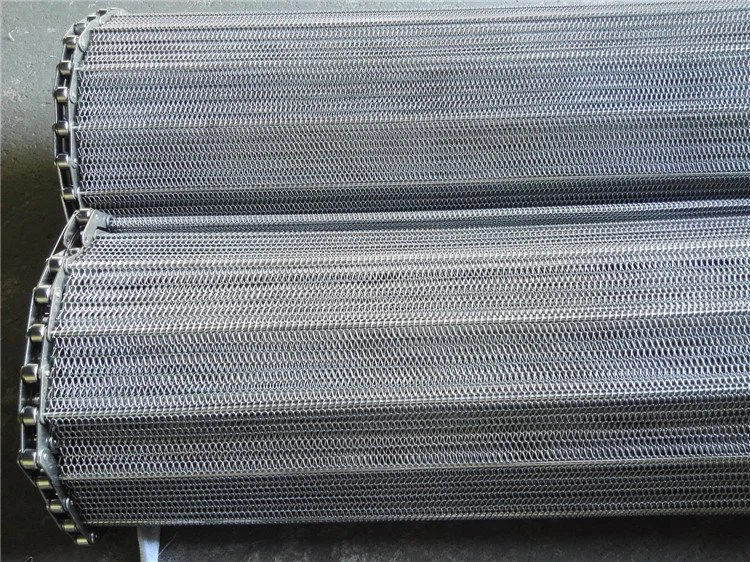
- Metal Wire Mesh Belt: Metal wire mesh belts are made from high-strength steel wires that are woven or welded together to form a mesh structure. They are strong, durable, and can withstand high temperatures, making them suitable for use in industrial painting lines. Metal wire mesh belts are available in a variety of wire diameters and mesh sizes, allowing you to customize the belt to your specific requirements.
- Ladder Mesh Belt: Ladder mesh belts are made from a series of parallel wires that are connected by cross rods to form a ladder-like structure. They are lightweight, flexible, and have a high open area, which makes them ideal for applications where good airflow is required. Ladder mesh belts are often used in painting lines for drying and curing processes.
Considerations When Using a Mesh Belt in a Painting Line
While mesh belts offer many advantages for painting lines, there are a few things to keep in mind to ensure optimal performance.
- Mesh Size: The mesh size of the belt is an important consideration, as it can affect the airflow, paint penetration, and overall quality of the finish. A smaller mesh size will provide better support for small parts and prevent them from falling through the belt, but it may also restrict airflow and reduce the drying speed. On the other hand, a larger mesh size will allow for better airflow and faster drying, but it may not provide enough support for larger or heavier parts.
- Material Selection: The material of the mesh belt is also crucial, as it needs to be compatible with the paint and the environment in which it will be used. Stainless steel is a popular choice for painting lines because it is corrosion-resistant, easy to clean, and can withstand high temperatures. However, other materials, such as polyester or nylon, may be more suitable for certain applications, depending on the specific requirements.
- Tension and Tracking: Proper tension and tracking of the mesh belt are essential for smooth operation and consistent performance. If the belt is too loose, it may sag or slip, causing uneven coating or other problems. If the belt is too tight, it may stretch or break, leading to downtime and costly repairs. It's important to regularly check the tension and tracking of the belt and make adjustments as needed.
- Cleaning and Maintenance: As mentioned earlier, regular cleaning and maintenance of the mesh belt are important to prevent paint buildup and ensure optimal performance. Depending on the type of paint and the frequency of use, you may need to clean the belt daily, weekly, or monthly. It's also a good idea to inspect the belt regularly for signs of wear or damage and replace it as needed.
Tips for Using a Mesh Belt in a Painting Line
Here are a few tips to help you get the most out of your mesh belt in a painting line:

- Pre-Treat the Belt: Before using the mesh belt in the painting line, it's a good idea to pre-treat it with a release agent or anti-static coating. This will help prevent the paint from sticking to the belt and make it easier to clean.
- Use a Conveyor System: A conveyor system can help ensure that the products are transported smoothly and evenly through the painting line. Make sure the conveyor system is properly aligned and adjusted to prevent the products from shifting or falling off the belt.
- Monitor the Paint Application: It's important to monitor the paint application process to ensure that the paint is being applied evenly and at the correct thickness. You can use a variety of tools, such as paint thickness gauges or visual inspection, to check the quality of the paint finish.
- Train Your Staff: Proper training of your staff is essential for the successful operation of the painting line. Make sure your employees understand how to use the mesh belt, how to clean and maintain it, and how to troubleshoot any problems that may arise.
Conclusion
In conclusion, a mesh belt can be a great choice for a painting line, offering several advantages, such as good airflow, uniform coating, easy cleaning, and versatility. However, it's important to choose the right type of mesh belt for your application, consider the mesh size and material, and ensure proper tension, tracking, cleaning, and maintenance. By following these tips, you can ensure that your mesh belt performs optimally and helps you achieve high-quality paint finishes.
If you're interested in learning more about using a mesh belt in your painting line or if you're looking for a reliable mesh belt supplier, please don't hesitate to contact us. We'd be happy to discuss your specific requirements and help you find the right solution for your needs.
References
- "Mesh Belts: A Guide to Selection and Application." Industrial Conveyor Solutions.
- "Painting Line Equipment and Technology." Paint & Coatings Industry Magazine.
- "Best Practices for Using Mesh Belts in Manufacturing Processes." Manufacturing Today.


