


Hey there! As a supplier of furnace mesh belts, I often get asked this question: "Can a furnace mesh belt be used in a gas-fired furnace?" Well, let's dig into this topic and find out.
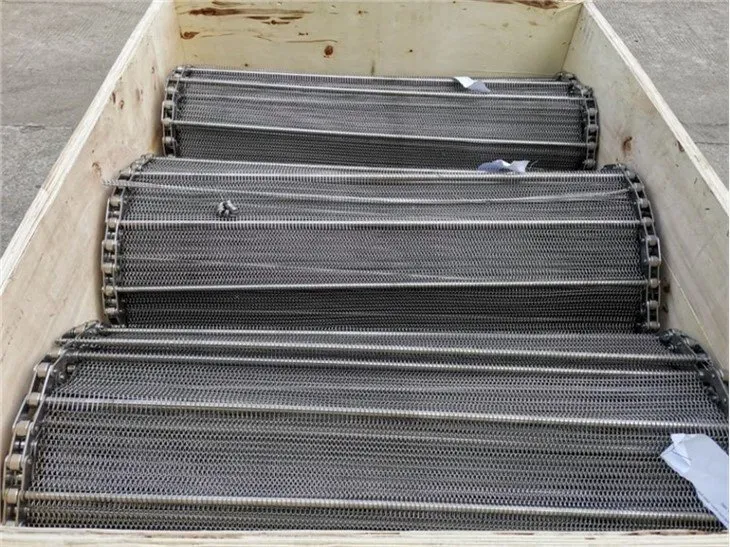
First off, let's understand what a furnace mesh belt is. It's a crucial component in many industrial processes. These belts are made from various materials, usually metals like stainless steel, which can withstand high temperatures. They're used to convey materials through furnaces, ensuring a smooth and efficient production process. You can check out our Stainless Steel Mesh Belt for more details on the kind of belts we offer.
Now, let's talk about gas-fired furnaces. These furnaces use natural gas or other combustible gases as a heat source. They're known for their high efficiency and the ability to reach high temperatures quickly. Gas-fired furnaces are widely used in industries such as metalworking, heat treatment, and food processing.
So, can a furnace mesh belt be used in a gas-fired furnace? The short answer is yes, but there are some important factors to consider.

Temperature Resistance
One of the most critical factors is the temperature resistance of the mesh belt. Gas-fired furnaces can reach extremely high temperatures, sometimes up to 1200°C or even higher depending on the application. The mesh belt needs to be able to withstand these temperatures without losing its structural integrity. For example, our Conveyor Mesh Belt is designed to handle high temperatures, but it's important to choose the right grade of material based on the specific temperature requirements of your gas-fired furnace.
Corrosion Resistance
In a gas-fired furnace, there can be various corrosive elements present. The combustion of gas can produce by-products such as sulfur dioxide and nitrogen oxides, which can corrode the mesh belt over time. Therefore, the mesh belt should have good corrosion resistance. Stainless steel is a popular choice because it has excellent corrosion resistance properties. However, different grades of stainless steel offer different levels of protection. We can help you select the most suitable stainless steel grade for your gas-fired furnace application.
Chemical Compatibility
The mesh belt should also be chemically compatible with the materials being processed in the gas-fired furnace. For instance, if you're using the furnace for heat treating metals, the mesh belt should not react with the metal or any coatings or additives used in the process. Otherwise, it could lead to contamination of the products or damage to the mesh belt itself.
Mechanical Strength
Gas-fired furnaces often operate under continuous or high-speed conditions. The mesh belt needs to have sufficient mechanical strength to withstand the forces exerted during operation. This includes the weight of the materials being conveyed, the tension in the belt, and any vibrations or impacts. Our Spiral Food Conveyor Belt is designed with high mechanical strength to ensure reliable performance in demanding applications.
Maintenance and Cleaning
Regular maintenance and cleaning are essential for the proper functioning of the mesh belt in a gas-fired furnace. Over time, the belt can accumulate debris, scale, and other contaminants, which can affect its performance and lifespan. It's important to have a proper maintenance schedule in place, including regular inspections, cleaning, and lubrication if necessary.
Installation and Alignment
Proper installation and alignment of the mesh belt are also crucial. A misaligned belt can cause uneven wear, increased friction, and even belt failure. When installing the mesh belt in a gas-fired furnace, it's important to follow the manufacturer's instructions carefully. Make sure the belt is tensioned correctly and that all the components are properly aligned.
Cost Considerations
Of course, cost is always a factor. The cost of a furnace mesh belt can vary depending on the material, size, and specifications. While it's important to find a cost-effective solution, it's also crucial not to compromise on quality. A high-quality mesh belt may cost more upfront, but it can save you money in the long run by reducing maintenance costs and downtime.
Case Studies
Let's take a look at some real-world examples. A metalworking company was using a gas-fired furnace for heat treating steel parts. They initially used a low-quality mesh belt that couldn't withstand the high temperatures and corrosive environment. As a result, the belt started to break down after a few months of use, causing frequent production delays and increased maintenance costs. After switching to our high-temperature, corrosion-resistant mesh belt, they saw a significant improvement in their production efficiency. The new belt lasted much longer, and they were able to reduce their downtime and maintenance expenses.
Another example is a food processing plant that uses a gas-fired furnace for baking. They needed a mesh belt that was not only able to withstand the high temperatures but also met strict food safety standards. Our Spiral Food Conveyor Belt was the perfect solution. It was made from food-grade stainless steel, which was both safe for food contact and able to handle the high temperatures in the furnace.
Conclusion
In conclusion, a furnace mesh belt can definitely be used in a gas-fired furnace, but it's important to choose the right belt based on the specific requirements of your application. Consider factors such as temperature resistance, corrosion resistance, chemical compatibility, mechanical strength, maintenance, installation, and cost.
If you're in the market for a furnace mesh belt for your gas-fired furnace, we're here to help. We have a wide range of high-quality mesh belts to choose from, and our team of experts can provide you with professional advice and support. Whether you're in the metalworking, food processing, or any other industry, we can find the perfect mesh belt solution for you.
So, if you're interested in learning more about our furnace mesh belts or have any questions about using them in your gas-fired furnace, don't hesitate to reach out. We're ready to have a discussion with you and help you make the right choice for your business.
References
- "Industrial Furnace Handbook: Principles, Design, and Operation" by O. K. Rizvi
- "Handbook of Stainless Steels" by John R. Davis


