


Hey there! I'm a supplier of food mesh belts, and today I wanna chat about how temperature can mess with the performance of these belts. As someone who's been in the food mesh belt game for a while, I've seen firsthand how different temperatures can make or break a belt's efficiency.
First off, let's talk about what a food mesh belt is. It's basically a belt made of mesh material that's used to convey food products in various processing and cooking stages. You can check out different types of them like Mesh Conveor Belt, Metal Wire Mesh Belt, and Net Conveyor Belt on our website.
Low - Temperature Effects
When the temperature drops, a food mesh belt can face some real challenges. One of the main issues is brittleness. Just like a lot of materials, metal and other substances used in mesh belts become stiffer and more prone to cracking in cold conditions. For example, if you're using a Metal Wire Mesh Belt in a refrigerated food processing area, the low temperature can cause the wires to lose their flexibility.
This brittleness can lead to a decrease in the belt's lifespan. Small cracks can start to form, and over time, these cracks can grow and cause parts of the belt to break off. This not only means more frequent belt replacements but can also contaminate the food products being transported. Nobody wants bits of belt ending up in their food!
Another problem at low temperatures is the increased friction between the belt and the conveyor's rollers or other components. The cold can make the lubricants less effective, which in turn makes the belt work harder to move. This can result in higher energy consumption as the motor has to work overtime to keep the belt running. It also puts extra stress on the belt itself, further shortening its life.
High - Temperature Effects
On the flip side, high temperatures can be just as troublesome. One of the most obvious effects is expansion. When a food mesh belt is exposed to high heat, it expands. This might not seem like a big deal at first, but it can cause all sorts of alignment issues. If the belt expands unevenly, it can start to run off - track, which can lead to jams and other mechanical failures in the conveyor system.
For instance, in a bakery where a Mesh Conveor Belt is used to transport freshly baked goods through an oven, the high temperature inside the oven can cause the belt to expand. If the conveyor isn't designed to accommodate this expansion properly, the belt can get stuck or even start to wrap around the rollers, bringing the whole production line to a halt.
High temperatures can also cause the materials in the belt to degrade. Some polymers used in mesh belts can start to break down when exposed to extreme heat. This can lead to a loss of strength and integrity in the belt. If you're using a Net Conveyor Belt made with certain synthetic materials, the heat can make the fibers weaker, increasing the risk of tears and holes.
In addition, high - temperature environments often require the belt to be cleaned more frequently. The heat can cause food particles to stick more firmly to the belt, and if not removed, these particles can burn and create a build - up that can affect the belt's performance. This means more downtime for cleaning and maintenance, which can reduce overall productivity.
Thermal Cycling
Thermal cycling, which is the process of a belt going through repeated cycles of heating and cooling, can be particularly tough on food mesh belts. Each time the belt heats up and then cools down, it expands and contracts. Over time, this constant movement can cause fatigue in the belt's materials.
The stress from thermal cycling can lead to micro - cracks in the belt. These micro - cracks might not be visible at first, but they can grow over time and eventually cause the belt to fail. It's like bending a paperclip back and forth. At first, it seems fine, but after a while, it breaks.
How to Mitigate Temperature - Related Issues
As a food mesh belt supplier, I've got some tips on how to deal with these temperature - related problems. First of all, choose the right belt material for the temperature conditions. For low - temperature applications, look for belts made from materials that are more flexible in the cold, like certain types of stainless steel. For high - temperature environments, opt for belts with heat - resistant polymers or ceramics.
Proper maintenance is also crucial. Regularly check the belt for signs of wear, cracking, or other damage. Make sure the lubricants are suitable for the temperature range and are applied regularly. If you're dealing with thermal cycling, consider using a belt with a design that can better withstand the stress, such as a belt with a more flexible structure.
Conclusion
So, as you can see, temperature has a huge impact on the performance of a food mesh belt. Whether it's low temperatures causing brittleness and increased friction or high temperatures leading to expansion and material degradation, it's important to be aware of these issues.
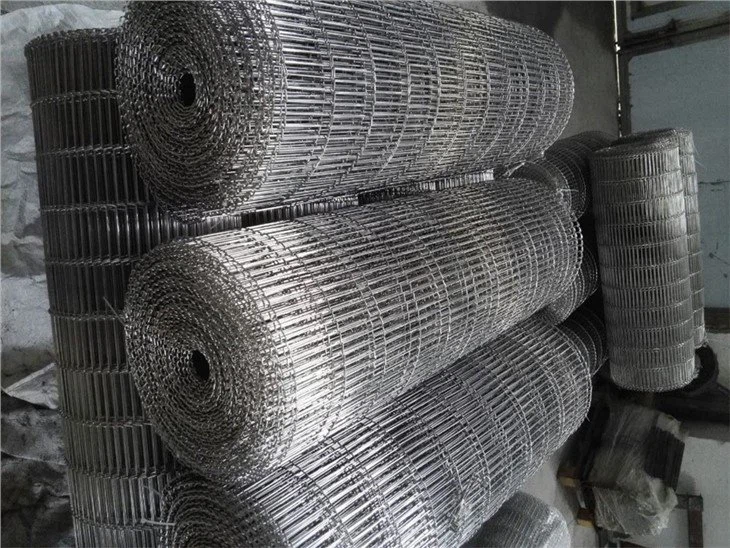

If you're in the market for a food mesh belt or need advice on dealing with temperature - related problems, don't hesitate to reach out. We're here to help you find the right solution for your food processing needs. Whether you're looking for a Mesh Conveor Belt, Metal Wire Mesh Belt, or Net Conveyor Belt, we've got you covered. Let's have a chat and figure out the best belt for your operation.
References
- "Handbook of Conveyor Belt Technology"
- "Materials Science for Food Processing Equipment"


