


As a supplier of Ladder Mesh Belts, I've had the privilege of working closely with these essential components across various industries. Ladder Mesh Belts are renowned for their versatility, durability, and efficiency in conveying applications. However, like any product, they come with their own set of disadvantages that potential buyers should be aware of. In this blog post, I'll delve into some of the key drawbacks associated with Ladder Mesh Belts to provide a comprehensive understanding of their limitations.
1. Limited Load Distribution
One of the primary disadvantages of Ladder Mesh Belts is their limited load distribution capabilities. Unlike solid conveyor belts or some Net Conveyor Belt designs, Ladder Mesh Belts have an open structure with gaps between the rungs. This open design means that the weight of the conveyed material is concentrated on the rungs, rather than being evenly distributed across the entire belt surface.

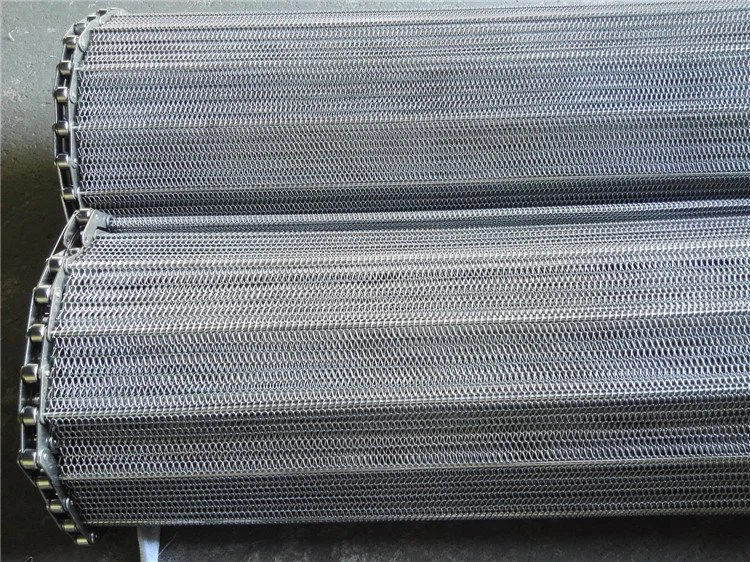
Consequently, when transporting heavy or unevenly distributed loads, the stress on the rungs can be significantly higher, leading to premature wear and potential breakage. This limitation restricts the types of materials that can be efficiently conveyed using Ladder Mesh Belts and may require additional support structures or load management strategies to prevent damage.
2. Susceptibility to Material Entrapment
The open structure of Ladder Mesh Belts also makes them more susceptible to material entrapment. Small particles, debris, or loose materials can easily get caught in the gaps between the rungs, leading to a buildup of material over time. This not only affects the belt's performance but can also cause damage to the belt and other components of the conveyor system.
Material entrapment can lead to increased friction, which in turn requires more energy to operate the conveyor. It can also cause the belt to misalign or jam, resulting in costly downtime for maintenance and repairs. Additionally, if the entrapped material is abrasive or corrosive, it can accelerate the wear and tear of the belt, reducing its lifespan.
3. Noise and Vibration
Another drawback of Ladder Mesh Belts is the noise and vibration they generate during operation. The movement of the rungs and the interaction with the conveyed material can create significant noise levels, which can be a nuisance in industrial environments. Excessive noise can also have a negative impact on the health and safety of workers, leading to hearing loss and other occupational hazards.
In addition to noise, Ladder Mesh Belts can also produce vibrations that can affect the stability and performance of the conveyor system. These vibrations can cause the belt to shift or misalign, leading to uneven wear and potential damage to the belt and other components. To mitigate these issues, additional noise and vibration dampening measures may be required, which can add to the overall cost of the conveyor system.
4. Difficulty in Cleaning and Maintenance
Cleaning and maintaining Ladder Mesh Belts can be a challenging and time-consuming task. The open structure of the belt makes it difficult to access all areas for cleaning, and the entrapped material can be stubborn to remove. Regular cleaning is essential to prevent material buildup, reduce friction, and extend the lifespan of the belt.
In addition to cleaning, Ladder Mesh Belts also require regular maintenance to ensure proper tension, alignment, and lubrication. This includes inspecting the rungs for damage, checking the joints and connections, and replacing worn or damaged components as needed. The complexity of these maintenance tasks can increase the overall cost of ownership and may require specialized tools and expertise.
5. Limited Flexibility and Adaptability
Ladder Mesh Belts have a relatively rigid structure compared to some other types of conveyor belts, which limits their flexibility and adaptability. They are typically designed for straight-line conveying applications and may not be suitable for curved or inclined conveyor systems without additional modifications.
The limited flexibility of Ladder Mesh Belts can also make it difficult to accommodate changes in the production process or the type of material being conveyed. For example, if the size or shape of the material changes, the belt may need to be replaced or modified to ensure proper conveyance. This lack of flexibility can result in additional costs and downtime for the production line.
6. Higher Initial Cost
Compared to some other types of conveyor belts, Ladder Mesh Belts can have a higher initial cost. The manufacturing process for Ladder Mesh Belts is more complex, requiring specialized equipment and techniques to ensure the proper alignment and spacing of the rungs. Additionally, the materials used in Ladder Mesh Belts, such as high-quality metals or alloys, can be more expensive than those used in other belt designs.
The higher initial cost of Ladder Mesh Belts can be a deterrent for some buyers, especially those on a tight budget. However, it's important to consider the long-term benefits and cost savings associated with using a high-quality Ladder Mesh Belt, such as increased durability, reduced maintenance requirements, and improved efficiency.
7. Environmental Impact
The production and use of Ladder Mesh Belts can have a significant environmental impact. The manufacturing process for Ladder Mesh Belts typically involves the use of energy-intensive processes, such as welding and heat treatment, which can contribute to greenhouse gas emissions and other environmental pollutants.
In addition, the materials used in Ladder Mesh Belts, such as metals and alloys, are finite resources that require mining and processing, which can have a negative impact on the environment. The disposal of worn or damaged Ladder Mesh Belts also presents a challenge, as they may contain hazardous materials that require special handling and disposal methods.
Conclusion
While Ladder Mesh Belts offer many advantages in terms of versatility, durability, and efficiency, they also come with their own set of disadvantages. These include limited load distribution, susceptibility to material entrapment, noise and vibration, difficulty in cleaning and maintenance, limited flexibility and adaptability, higher initial cost, and environmental impact.
As a supplier of Ladder Mesh Belts, it's my responsibility to provide my customers with accurate and comprehensive information about the products I offer. By understanding the disadvantages of Ladder Mesh Belts, potential buyers can make informed decisions about whether they are the right choice for their specific application.
If you're considering using a Ladder Mesh Belt for your conveyor system, I encourage you to contact me to discuss your requirements in more detail. I can provide you with expert advice and guidance on selecting the right belt for your needs, as well as offer solutions to mitigate the potential disadvantages. Whether you're looking for a Net Conveyor Belt, a Metal Wire Mesh Belt, or a Furnace Mesh Belt, I'm here to help you find the best solution for your business.
References
- Conveyor Belt Handbook, published by the Conveyor Equipment Manufacturers Association (CEMA)
- Industrial Conveying Technology, by J. A. Johnson
- Belt Conveyors for Bulk Materials, by CEMA


