


Hey there! As a supplier of Conveyor Mesh Belts, I've seen firsthand how electrostatic damage can mess up electronic components on these belts. It's a real headache for manufacturers, but don't worry – I've got some tips to help you prevent it.
Understanding Electrostatic Damage
First things first, let's talk about what electrostatic damage is. Electrostatic discharge (ESD) happens when there's a sudden flow of electricity between two electrically charged objects. In the context of conveyor mesh belts, this can occur when electronic components come into contact with the belt or other objects on the production line.
ESD can cause all sorts of problems for electronic components. It can damage sensitive circuits, leading to malfunctions or even complete failure. This not only costs you money in terms of replacing damaged components but can also disrupt your production schedule.

Factors Contributing to Electrostatic Buildup
There are several factors that can contribute to electrostatic buildup on conveyor mesh belts. One of the main culprits is friction. As the belt moves and the components slide across its surface, friction can generate static electricity. The type of material the belt is made of also plays a role. Some materials are more prone to static buildup than others.
The humidity level in the production environment is another important factor. Low humidity levels can increase the likelihood of electrostatic buildup because dry air doesn't conduct electricity as well. This means that static charges are more likely to accumulate on the belt and the components.
Preventive Measures
Choose the Right Belt Material
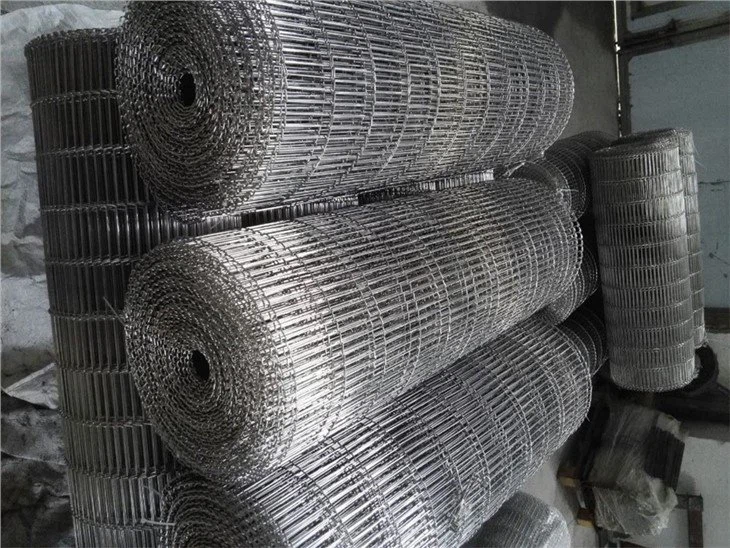
When it comes to preventing electrostatic damage, choosing the right belt material is crucial. For example, Metal Wire Mesh Belt is a great option. Metal is a good conductor of electricity, which means it can help dissipate static charges. Unlike some non - conductive materials, metal wire mesh belts can prevent the buildup of static electricity on their surface.
Another option is a Spiral Conveyor Belt. Some spiral conveyor belts are made with anti - static materials or have conductive properties. These belts are designed to minimize electrostatic buildup and protect your electronic components.
Control the Environment
Controlling the humidity in your production environment is an effective way to reduce electrostatic buildup. You can use humidifiers to increase the humidity level. Aim for a relative humidity of around 40 - 60%. This range helps to keep the air conductive enough to prevent static charges from accumulating.
It's also important to keep the production area clean. Dust and debris can contribute to static buildup. Regularly clean the conveyor mesh belt and the surrounding area to remove any particles that could cause problems.
Grounding
Grounding is a simple but effective way to prevent electrostatic damage. Make sure that your conveyor mesh belt is properly grounded. This means connecting the belt to the ground so that any static charges can be safely discharged. You can use grounding straps or wires to connect the belt to a grounding rod or a grounding point in the electrical system.
Anti - Static Sprays and Coatings
Anti - static sprays and coatings can be applied to the conveyor mesh belt to reduce static buildup. These products work by creating a thin layer on the surface of the belt that helps to dissipate static charges. They are easy to apply and can provide an additional layer of protection for your electronic components.
Use ESD - Safe Tools and Equipment
In addition to the conveyor mesh belt, make sure that all the tools and equipment used in the production process are ESD - safe. This includes things like screwdrivers, tweezers, and workbenches. Using ESD - safe tools helps to prevent static charges from being transferred to the electronic components.
Training and Awareness
It's not just about the equipment and environment; your employees also play a crucial role in preventing electrostatic damage. Provide training to your staff on the importance of ESD prevention and how to handle electronic components safely. Make sure they are aware of the risks associated with electrostatic damage and the proper procedures for working with ESD - sensitive components.
Maintenance and Inspection
Regular maintenance and inspection of your conveyor mesh belt are essential. Check the belt for any signs of wear or damage. A damaged belt can increase the likelihood of electrostatic buildup. Replace any worn - out parts promptly to ensure that the belt is functioning properly.
Inspect the grounding system regularly to make sure it is working correctly. Check the grounding straps and wires for any signs of damage or loose connections. A faulty grounding system can render all your other preventive measures ineffective.
Conclusion
Preventing electrostatic damage to electronic components on a conveyor mesh belt is a multi - faceted approach. By choosing the right belt material, controlling the environment, grounding the belt, using anti - static products, and providing proper training to your employees, you can significantly reduce the risk of ESD.
As a Conveyor Mesh Belt supplier, I'm here to help you find the best solutions for your specific needs. Whether you're looking for a Metal Wire Mesh Belt, a Spiral Conveyor Belt, or a Net Conveyor Belt, I've got you covered.
If you're interested in learning more about our conveyor mesh belts or need help with preventing electrostatic damage, feel free to reach out. We can have a detailed discussion about your requirements and come up with a customized solution for your production line.
References
- "Electrostatic Discharge Handbook" by Electrostatic Discharge Association
- "Conveyor Belt Technology" by various industry experts
- Research papers on static electricity and its effects on electronic components from academic journals


