


As a provider of Food Mesh Belts, I understand the significance of durability in these essential components of food processing. A durable food mesh belt not only ensures smooth operation but also reduces downtime and maintenance costs. In this blog, I'll share some practical strategies and insights on how to enhance the durability of a food mesh belt.
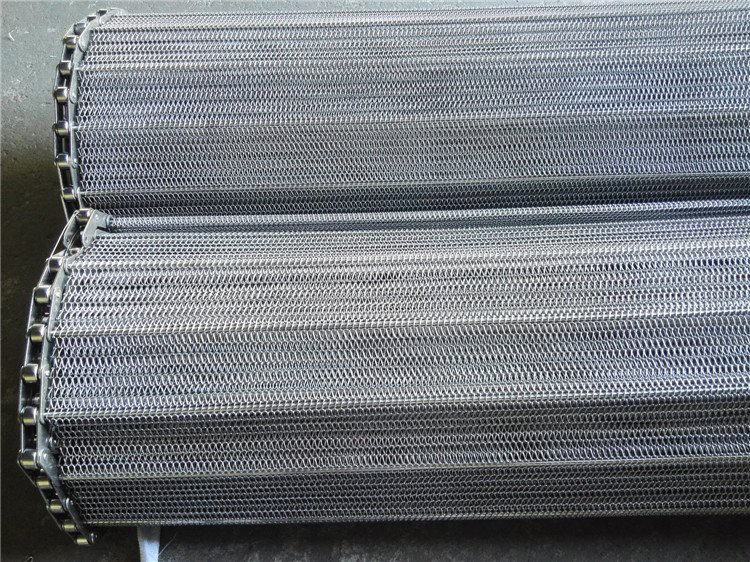
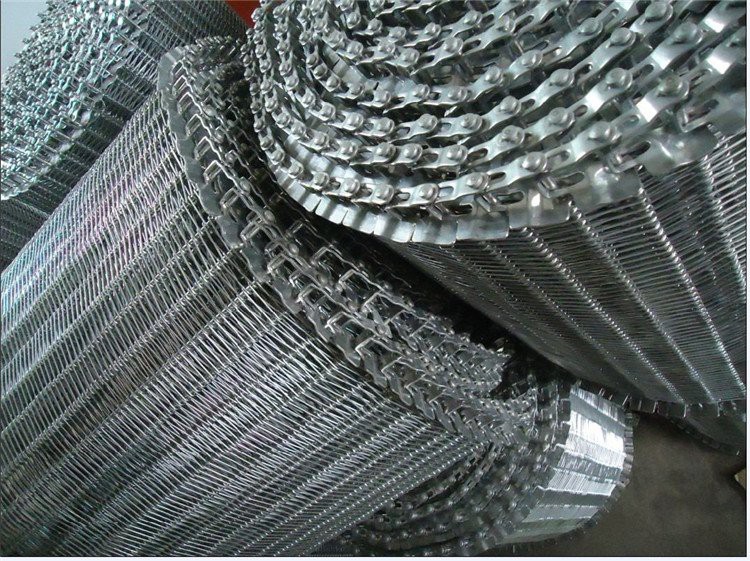
Select the Right Material
The choice of material is fundamental to the durability of a food mesh belt. Different materials offer varying levels of resistance to corrosion, wear, and high temperatures.
- Stainless Steel: This is one of the most popular choices for food mesh belts. Stainless steel offers excellent corrosion resistance, which is crucial in food processing environments where belts may come into contact with moisture, acids, and alkalis. It can withstand repeated washings and sterilizations without significant degradation. For high - temperature applications, high - grade stainless steels can maintain their strength and integrity. You can explore our High Temperature Mesh Belt options, which are designed to handle extreme heat conditions.
- Plastic Materials: Some plastic mesh belts are also suitable for food applications. They are lightweight, flexible, and resistant to certain chemicals. However, they may not be as durable as stainless steel in high - stress or high - temperature situations. Plastic belts are often used in applications where low noise and gentle product handling are required.
Optimize Belt Design
The design of the food mesh belt can significantly impact its durability.
- Mesh Pattern: The pattern of the mesh affects how the belt distributes stress and how well it can handle different types of products. For example, a dense mesh pattern may be better for carrying small or delicate food items, while a more open pattern can provide better drainage and ventilation. A well - designed mesh pattern also reduces the risk of product accumulation, which can lead to uneven wear and tear.
- Edge Treatment: Proper edge treatment is essential to prevent fraying and unraveling of the belt. Sealed edges or reinforced edges can extend the lifespan of the belt, especially in applications where the belt is subjected to constant bending or rubbing against other components.
Implement Proper Installation
Correct installation is a key factor in ensuring the long - term durability of a food mesh belt.
- Tension Adjustment: Over - tensioning or under - tensioning the belt can cause premature wear. An over - tensioned belt may experience excessive stress on its edges and joints, leading to cracking or breakage. On the other hand, an under - tensioned belt may slip, causing uneven wear and reduced efficiency. It is important to follow the manufacturer's guidelines for tension adjustment during installation and regularly check and adjust the tension as needed.
- Alignment: Proper alignment of the belt on the conveyor system is crucial. A misaligned belt can rub against the conveyor frame or other components, causing abrasion and damage. During installation, use alignment tools to ensure that the belt runs straight and centered on the conveyor rollers.
Maintain a Clean Environment
A clean operating environment is essential for the durability of the food mesh belt.
- Regular Cleaning: Food debris, grease, and other contaminants can accumulate on the belt over time, leading to corrosion, bacterial growth, and increased friction. Regular cleaning with appropriate cleaning agents and methods can remove these contaminants and prevent damage to the belt. For example, in a bakery, flour dust can accumulate on the belt, and regular cleaning can prevent it from hardening and causing abrasion.
- Control of Environmental Factors: In addition to cleaning, controlling environmental factors such as humidity and temperature can also help extend the life of the belt. High humidity can cause corrosion, especially in metal belts, while extreme temperatures can affect the mechanical properties of the belt material.
Conduct Regular Inspections
Regular inspections can help detect early signs of wear and damage, allowing for timely maintenance or replacement.
- Visual Inspections: Regularly visually inspect the belt for signs of wear, such as cracks, fraying, or deformation. Check the joints and connections for any signs of looseness or damage. Visual inspections can be done during routine cleaning or as part of a scheduled maintenance program.
- Performance Monitoring: Monitor the performance of the belt, such as its speed, tension, and tracking. Any changes in performance may indicate underlying issues that need to be addressed. For example, a sudden decrease in belt speed may be a sign of a problem with the drive system or excessive friction on the belt.
Provide Adequate Lubrication (if applicable)
In some cases, lubrication can improve the durability of the food mesh belt.
- For Metal Belts: Lubrication can reduce friction between the belt and the conveyor rollers or other components. However, it is important to use food - grade lubricants that are safe for use in food processing environments. Lubrication should be applied sparingly and in accordance with the manufacturer's recommendations to avoid contamination of the food products.
- For Plastic Belts: Some plastic belts may also benefit from lubrication to reduce static electricity and improve their sliding properties. However, care must be taken to ensure that the lubricant is compatible with the plastic material.
Train Operators
Properly trained operators can play a crucial role in maintaining the durability of the food mesh belt.
- Operation Knowledge: Operators should be trained on how to operate the conveyor system correctly, including how to start and stop the system smoothly, how to adjust the speed and tension of the belt, and how to handle different types of products on the belt.
- Safety Awareness: Safety awareness is also important. Operators should be aware of the potential hazards associated with the conveyor system and the food mesh belt, such as pinch points and moving parts. By following safety procedures, operators can prevent accidents that could damage the belt.
Use High - Quality Accessories
The accessories used in conjunction with the food mesh belt can also affect its durability.
- Rollers and Idlers: High - quality rollers and idlers can provide smooth support for the belt and reduce friction. Worn or misaligned rollers can cause uneven wear on the belt, so it is important to regularly inspect and replace these components as needed.
- Drive Systems: A reliable drive system is essential for the proper operation of the belt. A well - maintained drive system can ensure that the belt runs at a consistent speed and with the right amount of power, reducing stress on the belt.
Plan for Preventive Maintenance
Preventive maintenance is a proactive approach to extending the durability of the food mesh belt.
- Scheduled Inspections and Replacements: Establish a regular maintenance schedule that includes inspections, cleaning, lubrication, and replacement of worn parts. By replacing components such as bearings, seals, and fasteners before they fail, you can prevent more serious damage to the belt.
- Record - Keeping: Keep detailed records of maintenance activities, including inspection results, cleaning schedules, and component replacements. This information can help you track the performance of the belt over time and identify any recurring issues.
In conclusion, improving the durability of a food mesh belt requires a comprehensive approach that includes material selection, design optimization, proper installation, regular maintenance, and operator training. By implementing these strategies, you can ensure that your food mesh belt provides reliable and long - lasting performance in your food processing operations.
If you are interested in learning more about our Food Mesh Belt products or have specific requirements for your food processing needs, please feel free to contact us for a detailed discussion. We are committed to providing high - quality mesh belts and professional solutions to meet your demands.
References
- "Food Conveyor Belt Technology" by John Smith
- "Materials and Design for Industrial Conveyor Belts" by Jane Doe
- Manufacturer's guidelines for food mesh belt installation and maintenance


