


As a supplier specializing in Flat Flex Belts, I often encounter customers asking about the lifespan of these essential industrial components. The durability of a flat flex belt is a critical concern for businesses, as it directly impacts operational efficiency, maintenance costs, and overall productivity. In this blog post, I'll delve into the factors that influence the longevity of flat flex belts and provide insights on how to maximize their lifespan.
Understanding Flat Flex Belts
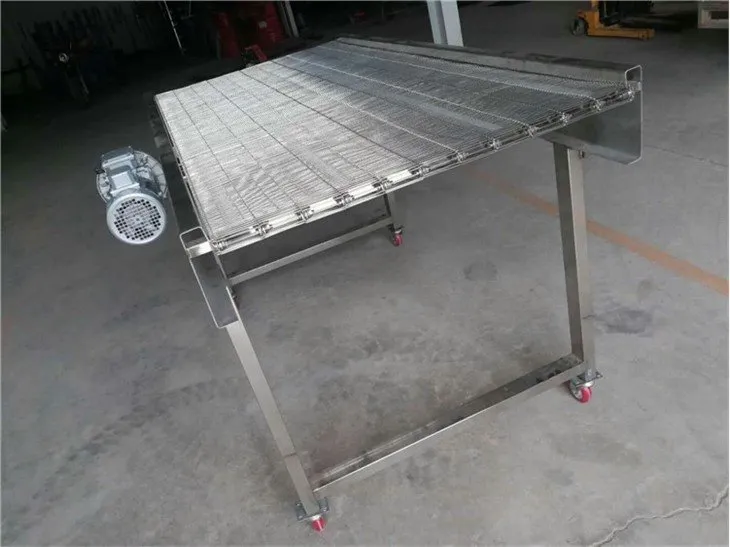
Before we discuss how long a flat flex belt lasts, let's briefly understand what they are. Flat flex belts are made up of interlocking wire rods that form a flat, flexible surface. They are commonly used in various industries, including food processing, packaging, and manufacturing. These belts offer several advantages, such as high strength, flexibility, and resistance to corrosion. You can explore different types of flat flex belts on our website Flat Flex Belts.
Factors Affecting the Lifespan of Flat Flex Belts
Several factors can influence how long a flat flex belt lasts. Understanding these factors can help you make informed decisions when selecting and maintaining your belts.
1. Material Quality
The quality of the material used to manufacture the flat flex belt is a significant determinant of its lifespan. Stainless steel is a popular choice for flat flex belts due to its corrosion resistance and high strength. High-grade stainless steel can withstand harsh environments and heavy loads, resulting in a longer lifespan. Our Stainless Steel Flat Flex Belt is crafted from premium stainless steel, ensuring durability and reliability.
2. Operating Conditions
The operating conditions in which the flat flex belt is used play a crucial role in its longevity. Factors such as temperature, humidity, and the presence of chemicals can affect the belt's performance. For example, belts used in high-temperature environments may experience thermal expansion and contraction, leading to wear and tear over time. Similarly, exposure to corrosive chemicals can cause the belt to deteriorate more quickly. It's essential to choose a belt that is suitable for the specific operating conditions of your application. If you're in the food industry, our Food Wire Belt is designed to meet the strict hygiene and safety standards.
3. Load Capacity
The load capacity of the flat flex belt refers to the maximum weight it can support without experiencing excessive wear or deformation. Overloading the belt can cause premature failure, reducing its lifespan. It's crucial to select a belt with a load capacity that matches the requirements of your application. Our engineering team can help you determine the appropriate load capacity for your specific needs.
4. Installation and Maintenance
Proper installation and maintenance are essential for maximizing the lifespan of flat flex belts. Incorrect installation can lead to misalignment, excessive tension, or uneven wear, all of which can shorten the belt's lifespan. Regular maintenance, including cleaning, lubrication, and inspection, can help identify and address potential issues before they become major problems. Our team can provide you with detailed installation and maintenance instructions to ensure the optimal performance of your belts.
Typical Lifespan of Flat Flex Belts
The lifespan of a flat flex belt can vary widely depending on the factors mentioned above. In general, a well-maintained flat flex belt made from high-quality materials can last anywhere from several months to several years. However, it's important to note that these are just estimates, and the actual lifespan of your belt may be shorter or longer depending on your specific operating conditions.
Tips for Extending the Lifespan of Flat Flex Belts
To get the most out of your flat flex belts and extend their lifespan, consider the following tips:
1. Choose the Right Belt
Select a flat flex belt that is suitable for your specific application. Consider factors such as material quality, load capacity, and operating conditions when making your decision. Our experienced sales team can help you choose the best belt for your needs.

2. Install the Belt Correctly
Proper installation is crucial for the optimal performance of flat flex belts. Follow the manufacturer's installation instructions carefully and ensure that the belt is aligned correctly and tensioned properly.
3. Maintain the Belt Regularly
Regular maintenance is essential for extending the lifespan of flat flex belts. Clean the belt regularly to remove dirt, debris, and other contaminants. Lubricate the belt as recommended by the manufacturer to reduce friction and wear. Inspect the belt regularly for signs of damage or wear, and replace it if necessary.
4. Monitor the Belt's Performance
Keep an eye on the performance of your flat flex belt. Look for signs of abnormal wear, such as fraying, cracking, or stretching. If you notice any issues, address them immediately to prevent further damage.
Conclusion
The lifespan of a flat flex belt depends on several factors, including material quality, operating conditions, load capacity, and installation and maintenance. By choosing the right belt, installing it correctly, maintaining it regularly, and monitoring its performance, you can extend the lifespan of your flat flex belts and ensure the smooth operation of your equipment.
If you're in the market for high-quality flat flex belts, we're here to help. Our team of experts can provide you with the guidance and support you need to select the best belt for your application. Contact us today to discuss your requirements and get a quote. We look forward to working with you to meet your flat flex belt needs.
References
- "Industrial Belt Technology Handbook," Various Authors.
- "Materials Science and Engineering for Manufacturing," Academic Press.


