


Can a mesh belt be used for inclined conveying? This is a question that often comes up in various industrial applications. As a professional mesh belt supplier, I've encountered this query numerous times from clients across different sectors. In this blog, I'll delve into the details of whether mesh belts are suitable for inclined conveying, the factors to consider, and the advantages they bring.
Suitability of Mesh Belts for Inclined Conveying
Mesh belts can indeed be used for inclined conveying, and they offer several benefits in this regard. The open structure of mesh belts allows for excellent ventilation and drainage, which is particularly useful when conveying items that need to be dried or cooled during the process. For example, in the food industry, when transporting freshly baked goods or vegetables that need to be dehydrated, the mesh belt's open design ensures proper air circulation, promoting faster and more efficient drying.
In terms of mechanical properties, mesh belts are designed to be flexible and strong. They can adapt to different incline angles, depending on the specific requirements of the application. However, it's important to note that the maximum incline angle that a mesh belt can handle depends on several factors, such as the type of material being conveyed, the surface friction of the mesh belt, and the speed of the conveyor.
Factors Affecting the Use of Mesh Belts in Inclined Conveying
Material Characteristics
The nature of the material being conveyed plays a crucial role in determining the suitability of a mesh belt for inclined conveying. If the material is heavy, large, or has a high coefficient of friction, it may be easier to convey on an inclined mesh belt. For instance, conveying metal parts or large wooden blocks can be done effectively on an inclined mesh belt because these materials tend to grip the belt surface better. On the other hand, if the material is small, light, or slippery, additional measures may be required to prevent it from sliding down the incline.
Surface Friction
The surface friction of the mesh belt is another important factor. A higher friction surface can help keep the material in place during inclined conveying. Some mesh belts are designed with special coatings or textures to increase friction. For example, a belt with a rough surface can provide better traction for the conveyed material, reducing the risk of slippage.
Conveyor Speed
The speed of the conveyor also affects the performance of a mesh belt in inclined conveying. A slower speed generally allows for better control of the material and reduces the likelihood of it sliding off the belt. However, in some applications where high throughput is required, a faster speed may be necessary. In such cases, careful consideration must be given to the design of the conveyor system and the characteristics of the mesh belt to ensure stable and efficient operation.
Advantages of Using Mesh Belts for Inclined Conveying
Versatility
Mesh belts are highly versatile and can be used in a wide range of industries, including food processing, automotive, electronics, and more. They can handle different types of materials, from small components to large items, making them a popular choice for inclined conveying applications.
Easy Maintenance
Mesh belts are relatively easy to maintain. Their open structure allows for easy cleaning, which is essential in industries where hygiene is a priority, such as the food industry. Additionally, if a section of the belt is damaged, it can often be replaced without having to replace the entire belt, reducing downtime and maintenance costs.
Cost - Effectiveness
Compared to some other types of conveyor belts, mesh belts are often more cost - effective. They have a long service life and can withstand harsh operating conditions, making them a cost - efficient solution for inclined conveying over the long term.
Types of Mesh Belts for Inclined Conveying
There are several types of mesh belts that are commonly used for inclined conveying. One popular type is the Spiral Freezer Belt. This type of belt is often used in the food industry for freezing and cooling applications. Its spiral design allows for efficient use of space and can handle inclined conveying while maintaining a consistent temperature.
Another type is the Spiral Food Conveyor Belt. This belt is specifically designed for food processing applications and is suitable for inclined conveying of various food products. It meets strict hygiene standards and is made from materials that are safe for contact with food.
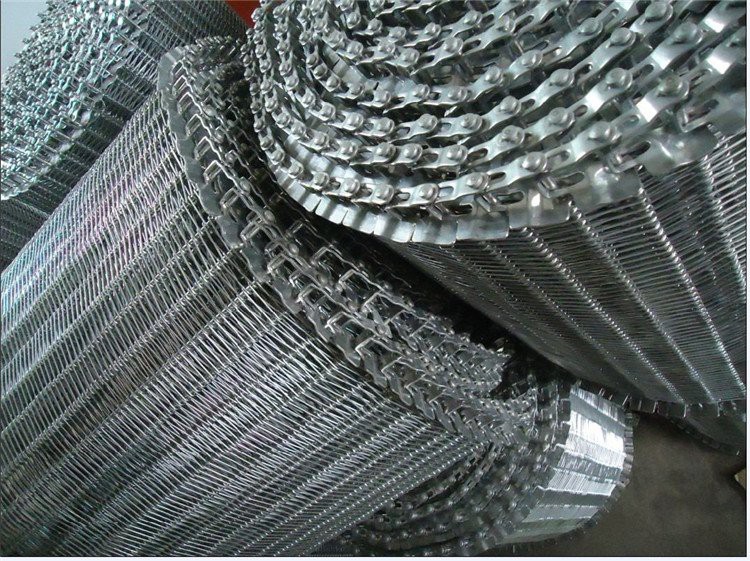
The Conveyor Mesh Belt is a general - purpose mesh belt that can be used in a variety of inclined conveying applications. It comes in different sizes, materials, and configurations to meet the specific needs of different industries.
Considerations for Designing an Inclined Conveyor System with Mesh Belts
When designing an inclined conveyor system with mesh belts, several considerations must be taken into account. First, the incline angle should be carefully determined based on the factors mentioned above. A steeper incline may require additional support or features to prevent material slippage.
Second, the tension of the mesh belt must be properly adjusted. Too much tension can cause premature wear of the belt, while too little tension can lead to belt slippage and instability.
Finally, the conveyor system should be equipped with appropriate safety features, such as emergency stop buttons and guards, to ensure the safety of operators and prevent damage to the equipment.

Conclusion
In conclusion, mesh belts can be effectively used for inclined conveying in a wide range of industrial applications. Their versatility, easy maintenance, and cost - effectiveness make them a popular choice for many businesses. However, careful consideration must be given to the factors that affect their performance, such as material characteristics, surface friction, and conveyor speed.
If you're considering using a mesh belt for your inclined conveying needs, I encourage you to reach out to us. Our team of experts can help you select the right type of mesh belt and design a conveyor system that meets your specific requirements. We have a wide range of mesh belts available, including the Spiral Freezer Belt, Spiral Food Conveyor Belt, and Conveyor Mesh Belt. Contact us today to start the procurement discussion and find the best solution for your business.
References
- "Conveyor Belt Handbook" by Conveyor Belt Association
- "Industrial Conveying Systems: Design and Operation" by John Smith


