


Hey there! As a supplier of Flat Flex Belts, I often get asked a bunch of questions about where these belts can be used. One question that pops up quite a bit is, "Can a flat flex belt be used in high - humidity environments?" Well, let's dive right into it and find out.
First off, let's talk a bit about what flat flex belts are. These belts are made up of interlocking wire rods that form a flat surface. They're super versatile and are used in a wide range of industries, from food processing to automotive manufacturing. You can check out our Food Conveyor Wire Belt and Food Wire Belt options, which are great examples of the different types of flat flex belts we offer.
Now, back to the main question. High - humidity environments can be a real challenge for a lot of materials. Moisture in the air can lead to corrosion, rust, and other forms of degradation. But when it comes to flat flex belts, the answer isn't a simple yes or no. It depends on a few key factors.
Material of the Belt
The material of the flat flex belt plays a huge role in its performance in high - humidity environments. One of the most popular materials for these belts is stainless steel. Our Stainless Steel Flat Flex Belt is a great choice for humid conditions. Stainless steel has a high resistance to corrosion because it contains chromium, which forms a thin, protective oxide layer on the surface of the metal. This layer prevents the metal from reacting with the moisture in the air, reducing the risk of rust and corrosion.

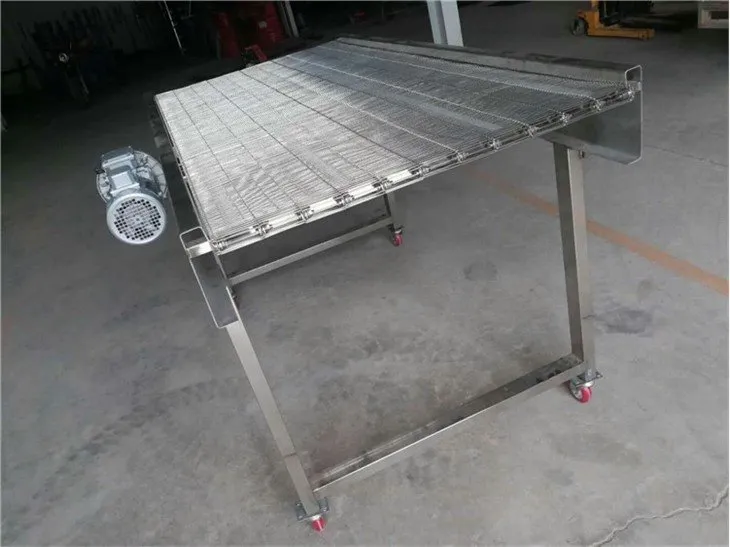
However, not all stainless steels are created equal. There are different grades of stainless steel, and some are more resistant to corrosion than others. For high - humidity environments, it's best to go for a grade like 304 or 316 stainless steel. These grades have a higher chromium and nickel content, which makes them more resistant to the effects of moisture.
On the other hand, if the flat flex belt is made of a lower - quality metal or a non - corrosion - resistant material, it's likely to deteriorate quickly in a high - humidity environment. Rust can form on the surface of the belt, which can not only damage the belt itself but also contaminate the products being transported on it.
Coating and Treatments
In addition to the material, the coating and treatments applied to the flat flex belt can also enhance its performance in high - humidity environments. Some belts are coated with a special polymer or epoxy coating that provides an extra layer of protection against moisture. These coatings can seal the surface of the belt, preventing water from coming into contact with the metal and reducing the risk of corrosion.
There are also treatments like passivation, which can be used on stainless steel belts. Passivation involves treating the belt with a chemical solution to remove any free iron particles from the surface and enhance the formation of the protective oxide layer. This can significantly improve the corrosion resistance of the belt in humid conditions.
Maintenance and Cleaning
Even if you have a high - quality, corrosion - resistant flat flex belt, proper maintenance and cleaning are essential in high - humidity environments. Regular cleaning can remove any dirt, debris, or moisture that has accumulated on the belt. It's important to use the right cleaning agents and methods to avoid damaging the belt.
For example, using a mild detergent and warm water to clean the belt is usually a good start. Avoid using abrasive cleaners or tools that can scratch the surface of the belt, as these scratches can create areas where corrosion can start. After cleaning, make sure to dry the belt thoroughly to prevent any remaining moisture from causing problems.
Environmental Conditions
The specific environmental conditions in the high - humidity area also matter. If the humidity is constantly high and there's a lot of condensation, the belt will be under more stress than in an environment where the humidity fluctuates. Additionally, if there are other factors like high temperatures, chemicals, or pollutants in the air, these can also affect the performance of the belt.
For instance, in a food processing plant where there's high humidity from steam and hot water, as well as the presence of food particles and cleaning chemicals, the belt needs to be able to withstand these harsh conditions. In such cases, a well - designed and properly maintained flat flex belt can still perform well, but it requires more attention to detail.
Applications in High - Humidity Environments
Flat flex belts can be used in a variety of high - humidity applications. In the food industry, they're often used in processes like washing, blanching, and cooking, where there's a lot of steam and water. In the textile industry, they can be used in dyeing and finishing processes where the humidity is high.
In these applications, the flat flex belt needs to be able to withstand the constant exposure to moisture without losing its strength or functionality. By choosing the right material, applying appropriate coatings and treatments, and following proper maintenance procedures, the belt can provide reliable performance in these challenging environments.
Conclusion
So, can a flat flex belt be used in high - humidity environments? The answer is yes, but it depends on several factors. If you choose a high - quality, corrosion - resistant material like stainless steel, apply the right coatings and treatments, and maintain the belt properly, it can perform well in humid conditions.
At our company, we've got a wide range of flat flex belts that are suitable for high - humidity environments. Whether you need a Food Conveyor Wire Belt for your food processing plant or a Stainless Steel Flat Flex Belt for other industrial applications, we've got you covered.
If you're interested in learning more about our flat flex belts or have any questions about using them in high - humidity environments, don't hesitate to reach out. We're here to help you find the best solution for your specific needs. Let's start a conversation and see how we can work together to get the right belt for your operation.
References
- ASM Handbook Volume 13A: Corrosion: Fundamentals, Testing, and Protection. ASM International.
- Metals Handbook Desk Edition, 3rd Edition. ASM International.


