


In the dynamic landscape of industrial operations, the demand for high - precision product conveying is on the rise. As a leading supplier of conveyor mesh belts, I am often asked whether our conveyor mesh belts can be used for high - precision product conveying. In this blog, I will delve into this topic, exploring the capabilities, advantages, and considerations of using conveyor mesh belts for high - precision applications.
The Basics of Conveyor Mesh Belts
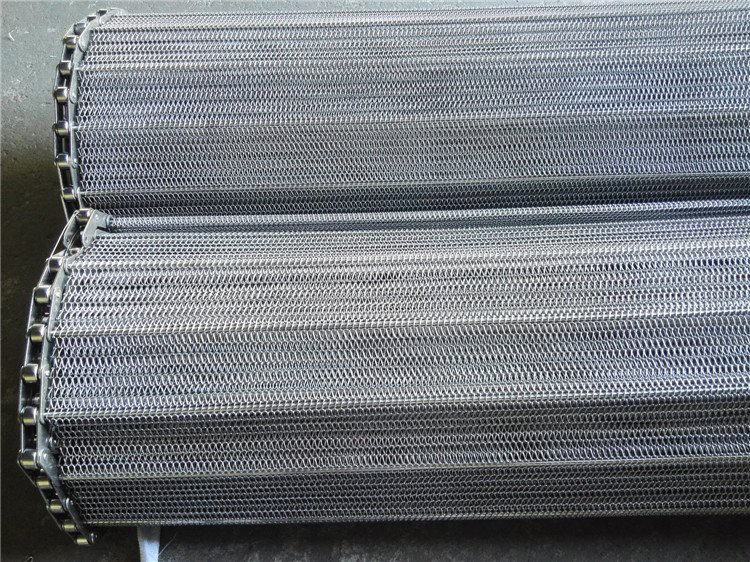
Conveyor mesh belts are made up of interwoven wires or strands, forming a flexible and durable surface for transporting various materials. They come in a wide range of designs, materials, and configurations to suit different industrial needs. Our company offers a diverse selection of conveyor mesh belts, including Flat Wire Mesh Belts, Pizza Oven Wire Belt, and Food Mesh Belt.
Can Conveyor Mesh Belts Meet High - Precision Requirements?
The answer is yes. Conveyor mesh belts can be effectively used for high - precision product conveying, and here's why:
1. Precision Manufacturing
Modern manufacturing techniques allow for the production of conveyor mesh belts with high precision. The wires are carefully selected and woven to ensure consistent spacing, flatness, and tension. This precision in manufacturing translates into a reliable and stable conveying surface, which is crucial for high - precision applications. For example, in the electronics industry, where components are small and delicate, a conveyor mesh belt with precise dimensions can ensure accurate positioning and movement of the products.
2. Customization
One of the key advantages of conveyor mesh belts is their high degree of customization. We can tailor the belt's width, length, wire diameter, and mesh pattern to meet the specific requirements of high - precision applications. For instance, if a particular product requires a very fine mesh to prevent small parts from falling through, we can design a belt with the appropriate mesh size. This customization ability allows us to provide solutions that are perfectly suited to the needs of our customers.
3. Low Maintenance
Conveyor mesh belts are relatively easy to maintain. They are designed to be durable and resistant to wear and tear. Regular cleaning and inspection can keep the belt in optimal condition, ensuring consistent performance over time. In high - precision applications, where any interruption in the conveying process can lead to significant losses, the low - maintenance nature of conveyor mesh belts is a major advantage.
4. Compatibility with Automation
In today's industrial environment, automation is becoming increasingly important. Conveyor mesh belts can be easily integrated with automated systems, such as robotic pick - and - place units and vision inspection systems. This compatibility allows for seamless and efficient high - precision product conveying, as the belt can work in tandem with other automated equipment to achieve precise positioning and movement of products.
Advantages of Using Conveyor Mesh Belts for High - Precision Conveying
1. Versatility
Conveyor mesh belts can be used in a wide range of industries, including food processing, electronics, automotive, and pharmaceutical. They can handle different types of products, from small components to large items. This versatility makes them a popular choice for high - precision applications, as they can adapt to various production requirements.

2. Hygiene
In industries such as food processing and pharmaceuticals, hygiene is of utmost importance. Conveyor mesh belts can be made from materials that are easy to clean and sanitize, such as stainless steel. This ensures that the products being conveyed are not contaminated, which is essential for high - precision applications where product quality is critical.
3. Cost - Effectiveness
Compared to some other types of conveyor systems, conveyor mesh belts are relatively cost - effective. They have a long service life and require less maintenance, which can result in significant cost savings over time. This makes them an attractive option for businesses looking to achieve high - precision product conveying without breaking the bank.
Considerations for High - Precision Conveying
While conveyor mesh belts offer many advantages for high - precision product conveying, there are also some considerations that need to be taken into account:
1. Belt Tension
Proper belt tension is crucial for high - precision conveying. If the belt is too loose, it may cause slippage, which can lead to inaccurate positioning of the products. On the other hand, if the belt is too tight, it can put excessive stress on the belt and the conveyor system, potentially causing damage. Regular monitoring and adjustment of the belt tension are necessary to ensure optimal performance.
2. Environmental Conditions
The environmental conditions in which the conveyor mesh belt operates can also affect its performance. For example, high temperatures, humidity, and corrosive substances can damage the belt and reduce its lifespan. It is important to choose a belt material that is suitable for the specific environmental conditions of the application.
3. Product Characteristics
The characteristics of the products being conveyed, such as their size, shape, weight, and surface properties, can also impact the performance of the conveyor mesh belt. For example, products with irregular shapes or rough surfaces may require a different type of belt or a special handling mechanism to ensure smooth and accurate conveying.
Real - World Applications
Conveyor mesh belts are already being used in many high - precision applications. In the electronics industry, they are used to transport printed circuit boards (PCBs) during the manufacturing process. The precise movement of the belt ensures that the PCBs are accurately positioned for soldering, inspection, and other operations.
In the food industry, conveyor mesh belts are used for high - precision food processing, such as slicing, dicing, and packaging. The belts can handle delicate food products with precision, ensuring consistent quality and productivity.
Conclusion
In conclusion, conveyor mesh belts can indeed be used for high - precision product conveying. Their precision manufacturing, customization options, low maintenance, and compatibility with automation make them a suitable choice for a wide range of high - precision applications. However, it is important to consider factors such as belt tension, environmental conditions, and product characteristics to ensure optimal performance.
If you are looking for a reliable solution for high - precision product conveying, we invite you to contact us for a consultation. Our team of experts can help you select the right conveyor mesh belt for your specific needs and provide you with the support and guidance you need to ensure a successful implementation.
References
- Industry reports on conveyor belt technology
- Technical specifications of conveyor mesh belts



